

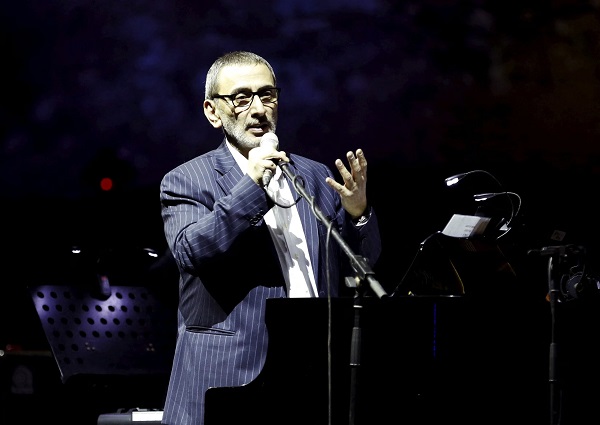
Egypt Daily News – In a quiet, deeply emotional farewell, Lebanon bade goodbye to one of its most iconic artists, Ziad Rahbani, who passed away on Saturday at the age of 69. The renowned composer, playwright, and musician left behind a legacy that transcended generations and borders, marked by his distinctive blend of sharp political satire and innovative musical compositions.
Thousands of fans and mourners gathered early Monday morning outside Khoury Hospital in Beirut’s Hamra district, holding portraits of the late maestro and showering the funeral procession with flowers and applause. The heartfelt tribute was a testament to Rahbani’s immense impact on Arab culture, music, and political thought.
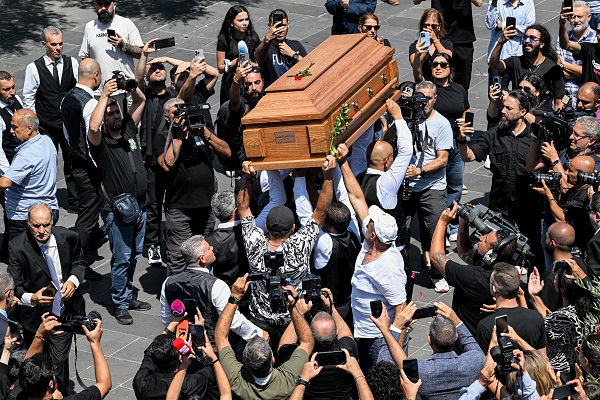
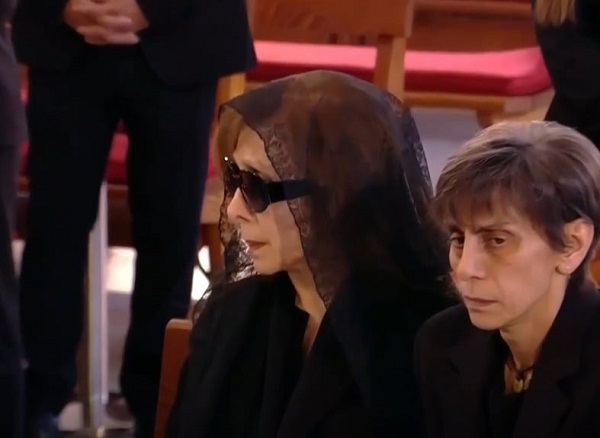
The funeral procession made its way to the Church of Our Lady of Dormition in Bikfaya, where the family held a private service. In a deliberate decision to avoid media coverage, the ceremony was attended only by close family members, with Lebanon’s beloved diva Fairuz, Ziad’s mother offering her farewell in solitude.
According to Lebanese media reports, Fairuz, who currently resides in a private home in the town of Dhour El Shweir, has arranged for her son to be buried in a specially prepared grave in the garden of her residence. This final resting place reflects an intimate family decision, as Ziad will not be buried beside his father, the legendary musician Assi Rahbani, who rests in Antelias.
Ziad Rahbani was born on January 1, 1956, into one of the most influential musical dynasties in the Arab world. As the son of Fairuz and Assi Rahbani, he inherited a rich artistic heritage, but quickly carved out a path of his own one marked by fearless political commentary and musical experimentation.
Rahbani emerged as a powerful voice in both theatre and music, known for his satirical plays that laid bare the contradictions of Lebanese society. His works captured the complexities of daily life during Lebanon’s civil war and the post-war era, offering poignant social critiques laced with dark humor. Musically, he pioneered a unique style that fused traditional Arabic melodies with jazz, funk, and Western harmonies, creating a sound that was both avant-garde and deeply rooted in the region’s musical traditions.
A self-declared leftist and supporter of communist ideology, Rahbani used his platform to highlight issues of social injustice, war, and political corruption. His artistic expression was never confined to entertainment; it was a form of resistance, a cultural stance, and an intellectual endeavor.
His contributions to Arab theatre and music remain unparalleled. Through acclaimed works such as Bennesbeh Labokra Shu, Film Ameriki Taweel, and Shi Fashel, Ziad Rahbani chronicled the lives of ordinary people with unmatched authenticity and eloquence. His music, often performed by Fairuz, added a new dimension to her already monumental career and brought his poignant lyrics to a wider audience.
Lebanon has lost more than a musician—it has lost a mirror to its soul. In a time when satire and truth-telling have become increasingly rare, Ziad Rahbani’s voice stood firm, fearless, and unforgettable.
The Rahbani family will receive condolences on Monday and Tuesday. Meanwhile, across the Arab world, admirers continue to share tributes and revisit the works of an artist whose influence will echo for decades to come.
