

Ahmed Kamel – Egypt Daily News
British military surveillance flights over Gaza are continuing, with Royal Air Force (RAF) aircraft reportedly aiding Israeli efforts to locate hostages still held by Hamas, nearly two years after the October 7, 2023 attack. According to sources quoted by The Times, intelligence gathered from these missions is being passed directly to the Israel Defense Forces (IDF), raising fresh questions about the UK’s military role in a deeply controversial and ongoing conflict.
The Ministry of Defence (MoD) has confirmed the surveillance flights but maintains they are strictly limited to locating hostages. Yet analysts and former military figures suggest the intelligence gathered could also be used for broader targeting purposes a claim that complicates Britain’s already strained relationship with the Israeli government.
RAF Operations from Cyprus Base
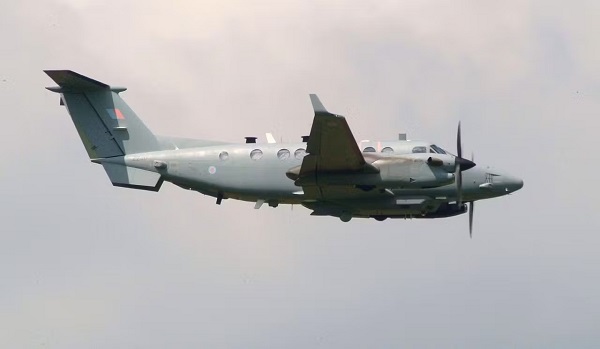
While the MoD has not officially disclosed which aircraft are being used, flight tracking data indicates that RAF Shadow R1 surveillance planes have flown hundreds of missions over Gaza since the war began, operating primarily out of RAF Akrotiri in Cyprus. These aircraft are equipped with advanced intelligence-gathering capabilities, including signal interception and high-resolution imaging.
The UK government has insisted the flights are humanitarian in nature, focusing solely on the identification and rescue of Israeli hostages. However, former British Army Major General Charlie Herbert expressed skepticism, telling The Times: “It’s all good and proper saying they are handing over intelligence for the purposes of locating hostages, but in reality that intelligence is just as likely to be used as targeting data for strikes against Hamas and other groups.”
Diplomatic Fallout and Policy Shifts
The confirmation of these ongoing intelligence missions comes at a time of significant diplomatic friction between London and Tel Aviv. Tensions have escalated since Prime Minister Keir Starmer’s Labour government conditionally pledged to recognise the state of Palestine, drawing the ire of Israeli Prime Minister Benjamin Netanyahu, who accused the UK of “rewarding Hamas.”
Foreign Secretary David Lammy has also taken a firmer stance on the conflict, publicly condemning Israeli military actions that have led to widespread Palestinian civilian casualties. He described IDF strikes on aid seekers as “grotesque” and “sickening,” and warned of potential sanctions a tone markedly different from that of the previous UK administration.
Despite this shift in rhetoric, the ongoing surveillance support suggests that key aspects of UK-Israel military cooperation remain intact behind the scenes, highlighting the complex balancing act facing Starmer’s government.
Netanyahu Pushes for Full Gaza Takeover
The reports of RAF activity also come amid dramatic developments on the Israeli side. Prime Minister Netanyahu is reportedly preparing to present his cabinet with a plan for the full military occupation of the Gaza Strip — a move that would significantly escalate the conflict. According to sources cited by The Jerusalem Post, Netanyahu has instructed the IDF to prepare for operations even in areas where hostages are believed to be held, despite opposition from within the Israeli security establishment.
During a high-level security meeting this week, Netanyahu allegedly told IDF Chief of Staff Lt.-Gen. Eyal Zamir: “If this does not suit you, then you should resign.” The prime minister has reportedly used the phrase “occupation of the Strip” in private discussions, with local media suggesting that Israel may soon attempt to assert control over the remaining 25 percent of Gaza not yet under IDF occupation.
The Israeli military, however, is said to be resistant to this course of action, citing the time and resources needed to dismantle Hamas’s entrenched infrastructure. The IDF has warned that such a campaign would be prolonged and potentially devastating.
The Hostage Crisis as a Pivot Point
Israel’s stated rationale for any expanded operation continues to be the recovery of the remaining hostages, many of whom have been held in Gaza since the October 2023 assault by Hamas. Despite months of ceasefire talks, humanitarian pauses, and international mediation including from Qatar and Egypt no breakthrough has been achieved on a comprehensive hostage deal.
The use of foreign intelligence, including British aerial surveillance, underscores the strategic importance placed on resolving the hostage crisis. However, the same intelligence may be contributing to a broader military campaign, one that continues to take a heavy toll on Gaza’s civilian population and infrastructure.
The UK’s dual-track approach supporting diplomatic recognition for Palestine while continuing intelligence cooperation with Israel reflects the growing complexity of Western engagement in the Middle East. As the situation in Gaza teeters on the brink of a new phase of occupation, and as Britain repositions itself on the global stage under a new administration, the implications of its military involvement will likely remain under scrutiny from allies, critics, and human rights observers alike.
