

Ahmed Kamel – Egypt Daily News
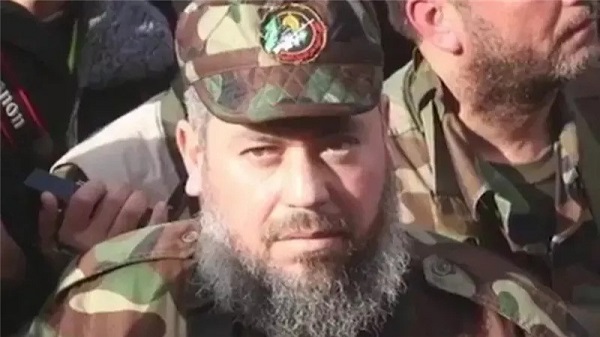
The commander of Hamas’s military wing in the Gaza Strip, Izz al-Din al-Haddad, has rejected the U.S.-proposed ceasefire plan spearheaded by former President Donald Trump, vowing to continue armed resistance regardless of ongoing diplomatic efforts. This firm stance was reported by the BBC on Thursday, amid intense negotiations led by regional and international mediators.
According to the BBC, while certain figures within Hamas’s political leadership have shown willingness to accept the Trump proposal with modifications, al-Haddad has categorically rejected the plan, which he views as a direct attempt to “dismantle Hamas”.
“Whether or not the political leadership accepts it, I will continue fighting,” al-Haddad was quoted as saying to intermediaries.
Deep Internal Divide Within Hamas
The BBC’s report highlights a significant divide between Hamas’s military and political branches, especially as pressure mounts for a negotiated end to the war in Gaza. While the political leadership is still consulting with mediators from Egypt, Qatar, and Turkey, the military wing’s control over key elements of the conflict particularly the Israeli hostages, gives it disproportionate influence over the group’s final position.
This rift suggests that even if Hamas’s political leaders lean toward compromise, real implementation may be blocked by the military wing, which remains the dominant force in the field.
Ongoing Consultations and Fears Over Trump Plan
Saudi-based Al-Hadath channel, citing Palestinian sources, confirmed that Hamas is still conducting internal consultations and meetings with allied factions and international mediators. According to these sources, there is broad concern among various Palestinian groups regarding specific terms in Trump’s proposal, particularly those seen as undermining resistance or forcing disarmament.
Among the most controversial clauses in the plan are:
- The disarmament of Hamas and other factions
- The departure of fighters from Gaza to third countries
- The establishment of an international technocratic council to govern Gaza
- The gradual Israeli withdrawal, while maintaining a “security buffer zone”
- Direct oversight by Trump and an advisory council including figures like former UK Prime Minister Tony Blair
Some within Hamas reportedly demand international guarantees ensuring a complete Israeli withdrawal and enforcement of a long-term ceasefire before any agreement is reached.
Implications for Peace Talks
This growing internal disagreement comes at a crucial moment, as Egypt, Qatar, and Turkey step up efforts to broker a lasting ceasefire. Egyptian Foreign Minister Badr Abdel Atty recently confirmed that Cairo is working closely with regional partners to convince Hamas to accept the plan, warning that rejection could lead to “serious escalation.”
Al-Haddad’s defiance now places those diplomatic efforts in jeopardy. Analysts believe that unless the military wing is brought on board or sidelined a unified response from Hamas will remain unlikely.
The Bottom Line
With Trump’s plan being framed as the most comprehensive proposal yet to end the Gaza war, international actors are intensifying their push for an agreement. However, as long as the military leadership, represented by figures like Izz al-Din al-Haddad, remains committed to armed resistance and sees the plan as an existential threat, any path to peace remains fraught with obstacles.
