Ahmed Kamel – Egypt Daily News
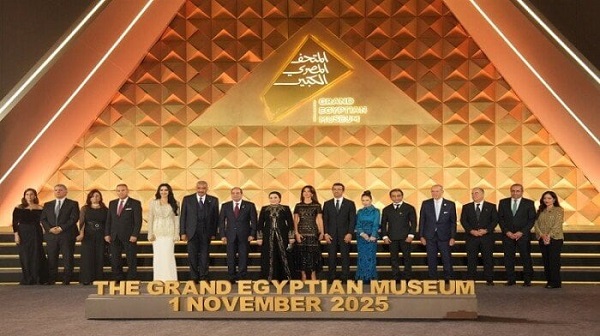
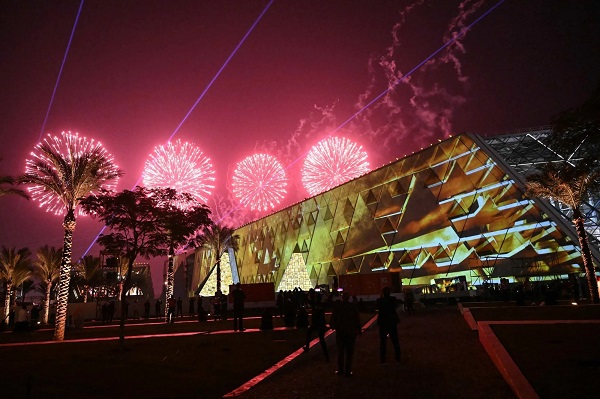
a spectacular evening of lights, music, and history, President Abdel Fattah El-Sisi inaugurated the Grand Egyptian Museum (GEM) in Giza on Saturday, marking what many observers described as one of the most significant cultural events of the century. The president welcomed kings, world leaders, and representatives from 79 official delegations to the long-awaited opening ceremony, before personally leading them on an exclusive tour through the vast halls of the new museum, a monumental tribute to more than 7,000 years of Egyptian civilization.
Standing in the shadow of the Great Pyramid of Khufu, the Grand Egyptian Museum is now officially the largest museum in the world dedicated to a single civilization. Spanning nearly half a million square meters roughly the size of 70 football fields and twice the area of the Louvre in Paris, the museum houses over 100,000 artifacts, including the complete collection of treasures belonging to the boy king Tutankhamun, displayed together for the first time.
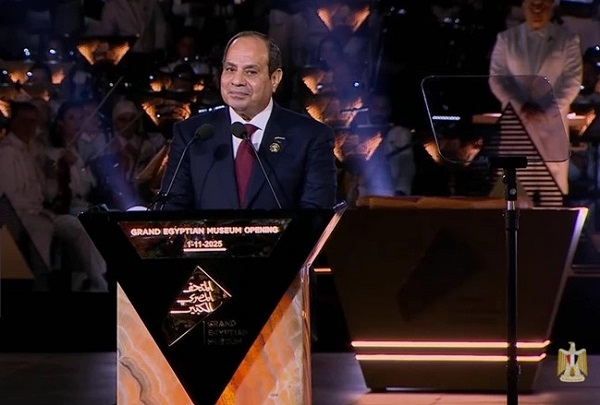
In his opening address, President El-Sisi hailed the project as “a living testimony to the genius of the Egyptian people,” and called for the museum to serve as “a platform for dialogue, a destination for knowledge, and a meeting point for humanity.” He emphasized that the achievement was the result of broad international cooperation, expressing gratitude for Japan’s extensive technical and financial support, and commending the dedication of Egyptian engineers, archaeologists, and workers who devoted years to realizing this “historic national mission.”
Prime Minister Mostafa Madbouly described the museum as a symbol of Egypt’s capacity to deliver world-class projects “in record time,” noting that construction was completed in just seven years despite multiple global and regional challenges.
Egypt views the museum not only as a cultural milestone but also as a vital engine for tourism revival, hoping it will attract millions of visitors annually and invigorate an industry that has weathered significant disruptions in recent years.
The opening ceremony drew an extraordinary assembly of dignitaries: 18 heads of state, eight prime ministers, 40 ministerial and parliamentary delegations, and representatives from six international and regional organizations. Among the royal guests were monarchs and crown princes from Spain, Denmark, Belgium, Jordan, Bahrain, Oman, the United Arab Emirates, Saudi Arabia, Luxembourg, Monaco, Japan, and Thailand underscoring global admiration for Egypt’s ancient legacy and its ongoing cultural influence.
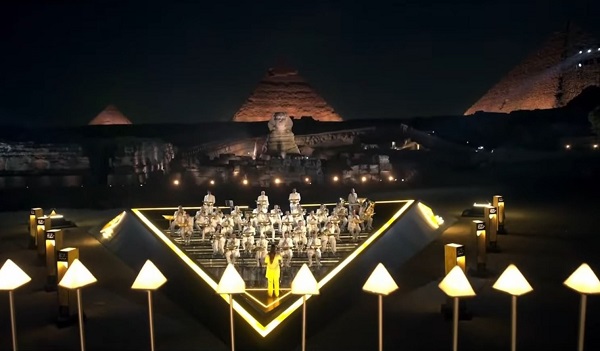
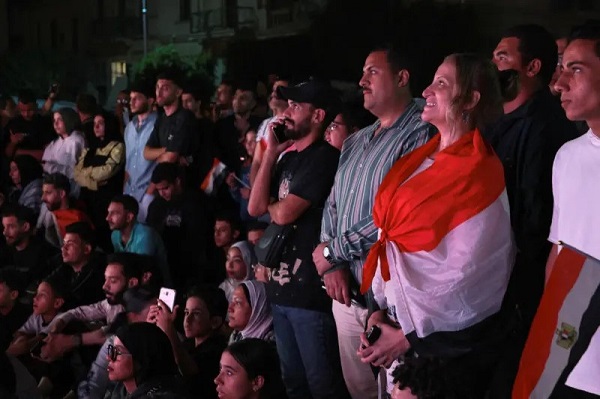
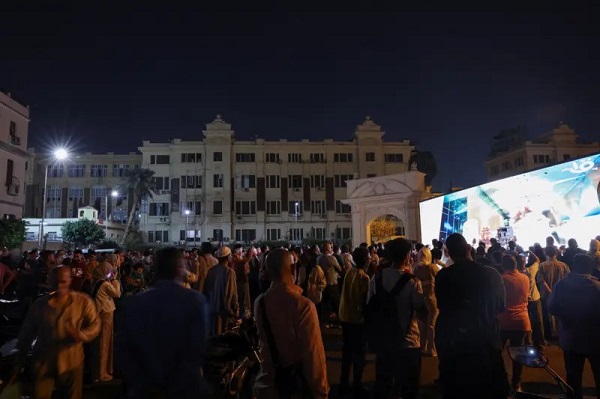
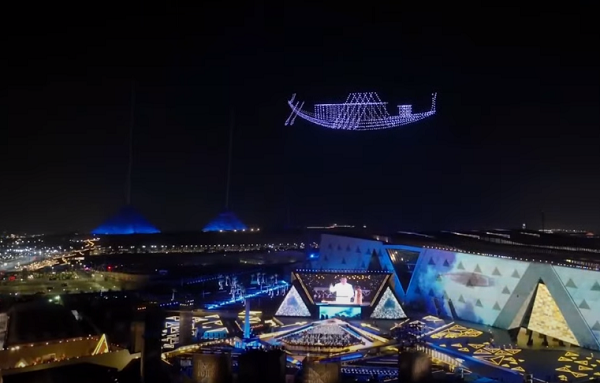
The evening unfolded with grandeur and symbolism. A dazzling light show projected the image of Khufu’s solar boats the ancient vessels discovered intact beside the Great Pyramid, believed to have carried the pharaoh’s spirit to the afterlife illuminating Cairo’s night sky. The spectacle evoked the timeless link between Egypt’s past and its enduring pursuit of renewal.
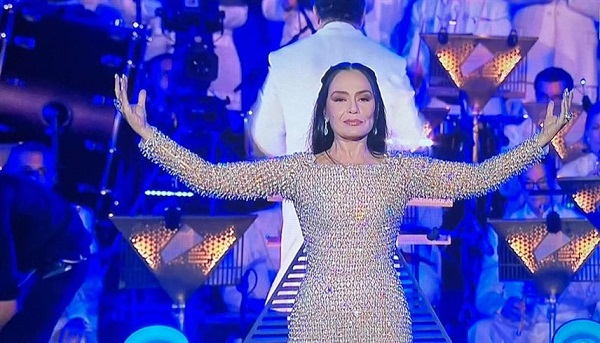
Adding to the emotional resonance of the night, Egyptian star Sherihan returned to the stage after years away from the public eye, performing a theatrical homage to her homeland’s eternal spirit. Dressed in a regal costume inspired by pharaonic art, she addressed the world: “Peace from the land of peace. From here began the story the story of a civilization that taught humanity that our destiny is one, no matter how we differ.” Her performance, met with heartfelt applause from the audience and the president himself, became one of the evening’s unforgettable moments.
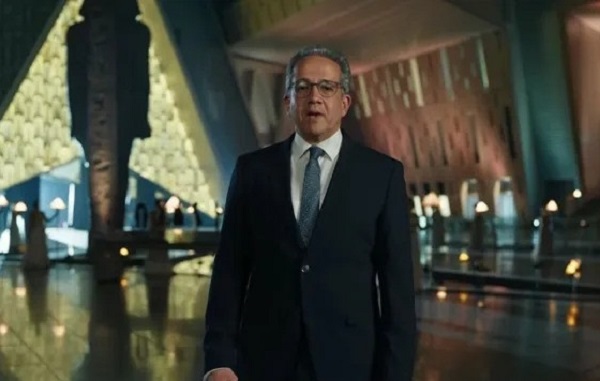
UNESCO Director-General Khaled El-Anany, who previously served as Egypt’s Minister of Antiquities, praised the project as a testament to vision, perseverance, and shared human endeavor. “Great dreams are not born overnight,” he said. “They are built over years of passion and collective will. The Grand Egyptian Museum stands as an open invitation to scholars, children, and visitors from all over the world to rediscover a civilization that continues to inspire humanity with its values foremost among them, justice.”
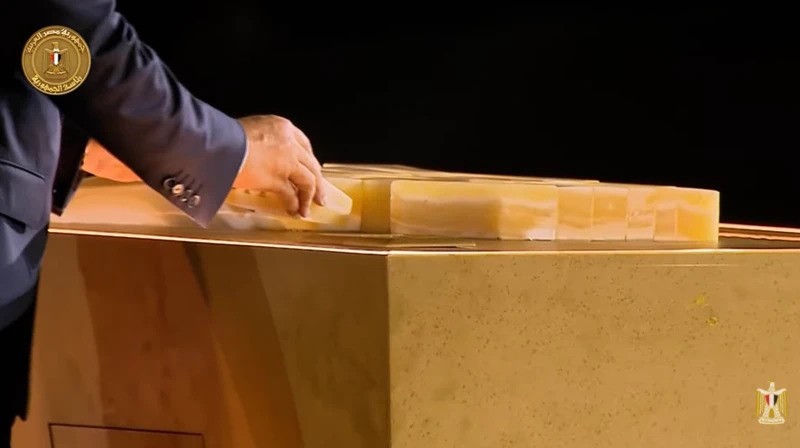
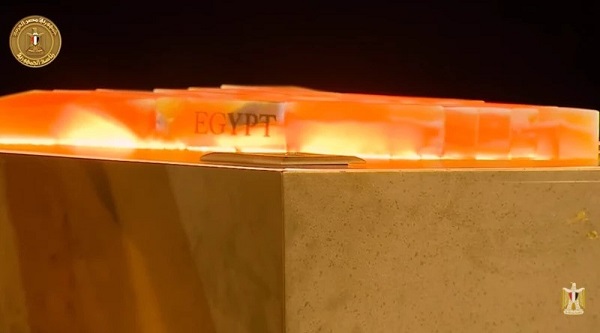
For Egypt, the inauguration of the Grand Egyptian Museum represents far more than the opening of a new cultural institution. It is a declaration of resilience and renewal, a message that the cradle of civilization remains a beacon for the world. As President El-Sisi told his guests at the close of the evening, “This project is a gift to all humanity, a bridge between our glorious past and the future we continue to build together.”