

Ahmed Kamel – Egypt Daily News
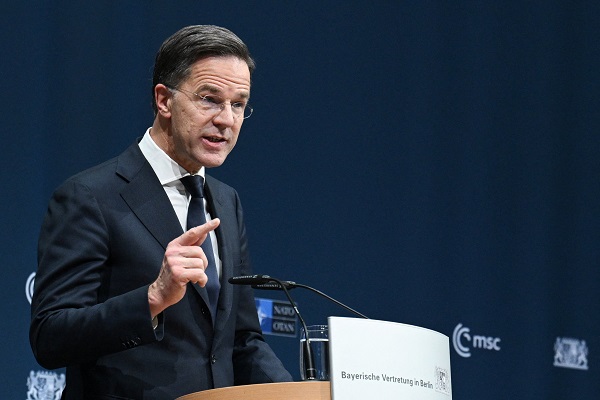
NATO Secretary-General Mark Rutte issued one of the starkest warnings yet about European security, cautioning that a military confrontation with Russia “is at our door” and urging allied governments to accelerate preparations to deter what he described as a rapidly intensifying threat. Speaking in Berlin on Thursday, Rutte said that too many nations within the alliance remain “quietly complacent,” despite mounting evidence that Moscow’s ambitions extend beyond Ukraine.
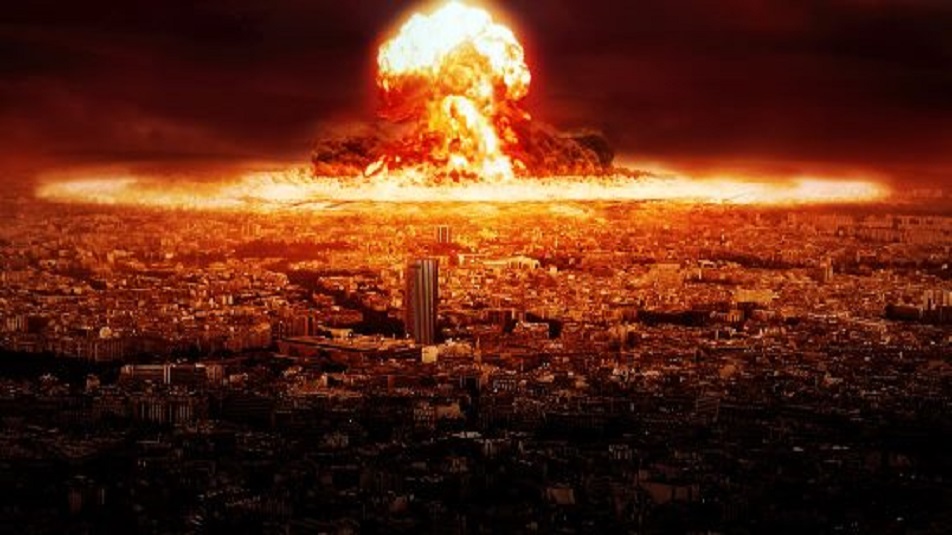
Rutte stressed that the continent could face a conflict of a scale not witnessed since the 20th century’s darkest chapters if it fails to act decisively. “We are Russia’s next target,” he said. “I fear that too many don’t feel the urgency, and too many believe time is on our side. It is not. The time for action is now. Conflict is at our door. Russia has brought war back to Europe, and we must be prepared.”
He warned that Russia could possess sufficient military capability to directly threaten NATO territory within five years, arguing that Europe must urgently increase defense spending and expand weapons production. Without such investment, he said, Europe risks confronting a war reminiscent of what “our grandparents and great-grandparents endured.”
Rutte’s remarks coincided with a new round of urgent diplomatic activity over Ukraine’s future. Ukrainian President Volodymyr Zelensky convened emergency talks with leaders and senior officials from roughly 30 nations supporting Kyiv’s quest to secure acceptable terms for ending the war. The gathering described as a meeting of the “coalition of the willing”, included expected participation via video link from leaders of Germany, France, and the United Kingdom.
According to Zelensky, the talks were arranged hastily as Kyiv seeks to avoid being boxed in by U.S. President Donald Trump’s push for a rapid settlement. European governments, concerned that any deal involving territorial concessions would set a dangerous precedent for their own security, have become increasingly involved in shaping the diplomatic process. Trump said this week that he and European leaders had discussed potential terms “in pretty strong language,” insisting that Zelensky “has to be realistic” about Ukraine’s negotiating position, remarks widely interpreted as pressure for Kyiv to consider ceding ground to Moscow.
Trump’s latest attempt to broker a settlement has already exceeded the timeline he initially set. His previous deadlines for a breakthrough, including one before Thanksgiving, have similarly passed without producing significant movement. Moscow, meanwhile, has signaled willingness to continue the dialogue, eager to avoid any new U.S. sanctions and hoping to present itself to Washington as constructive in the negotiations.
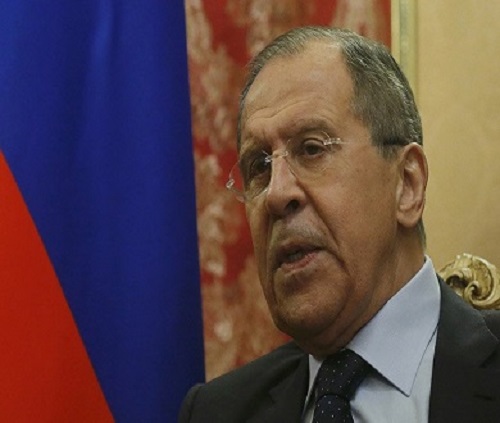
Russian Foreign Minister Sergey Lavrov said on Thursday that the Kremlin has provided Washington with “additional proposals” related to collective security guarantees, an issue European governments say is critical for preventing future aggression. He provided no further details but suggested that any long-term security framework must extend beyond Ukraine alone.
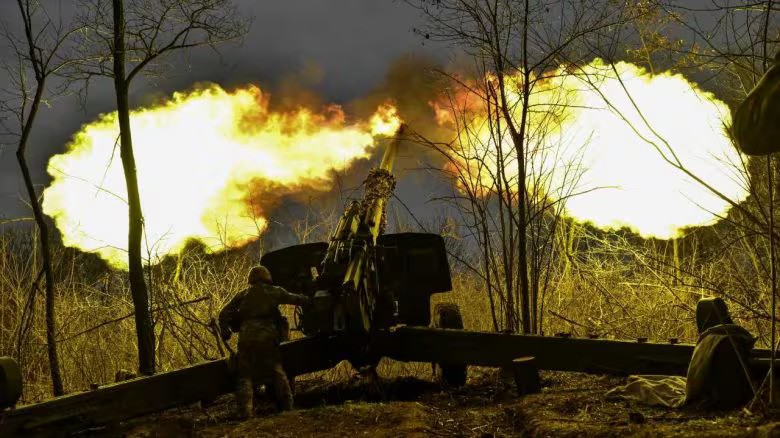
As diplomacy unfolds, the military situation continues to evolve. Ukraine launched what officials described as one of its largest drone strikes since the full-scale invasion began nearly four years ago. The overnight attack forced the suspension of flights for seven hours across all four Moscow-area airports, with airports in eight additional Russian cities also affected. Russia’s civil aviation agency confirmed the disruption, while the defense ministry claimed its air defenses intercepted 287 Ukrainian drones.
The scale of the strike appeared intended to challenge the Kremlin’s narrative that Russia holds an overpowering advantage. Despite Russia’s considerable military resources, it has seized only about 20 percent of Ukraine since the invasion began in February 2022. Analysts say President Vladimir Putin is eager to project strength ahead of any peace negotiations, even as the battlefield remains far from offering him decisive leverage.
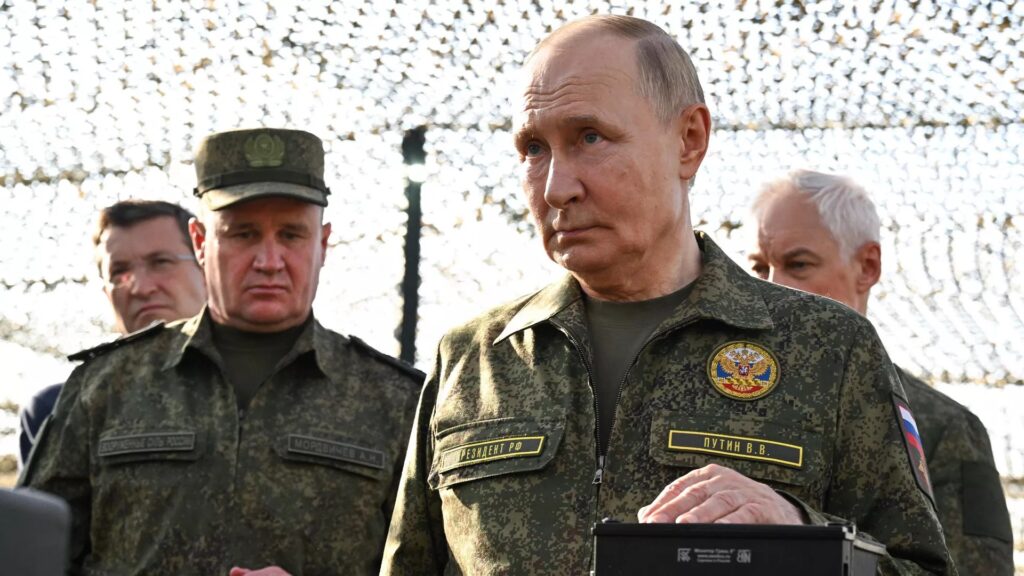
European leaders now warn that the diplomatic process is approaching a critical juncture. Zelensky said on Wednesday that Ukraine will coordinate further with European countries on a bilateral basis in the coming days. “Ukraine is working swiftly,” he said, underscoring his government’s determination to avoid a settlement that would undermine the country’s sovereignty or the continent’s long-term security.
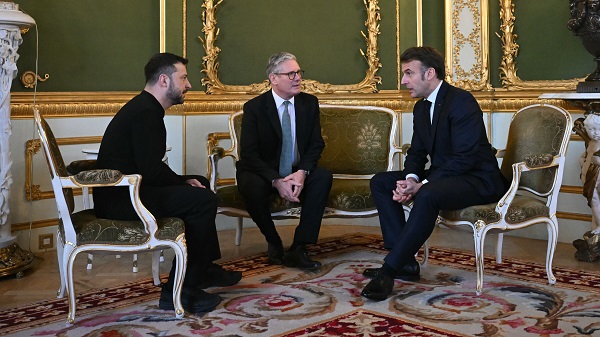
As NATO leaders debate preparedness and Ukraine presses for a just resolution, Europe faces a moment of acute uncertainty. Rutte’s message was unequivocal: only decisive collective action now, he argued, can prevent the continent from stumbling into a far wider conflict that history has repeatedly shown to be catastrophic.
