

Ahmed Kamel – Egypt Daily News
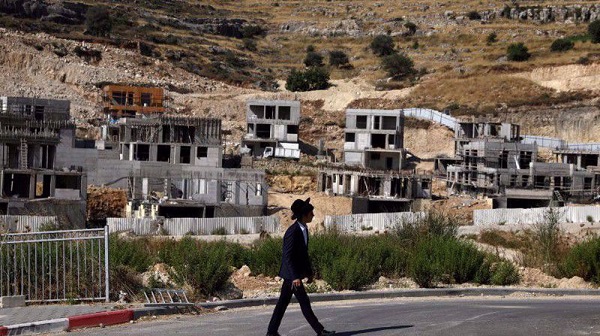
Israeli Prime Minister Benjamin Netanyahu said on Wednesday that his government intends to dramatically expand settlement activity in the Negev desert, describing the move as part of a national effort to “return the Negev to the State of Israel” and restore what he called governance and sovereignty in the region.
Speaking during a field tour of the western Negev, Netanyahu declared that the plan would involve settlement “on a scale we have not known before,” alongside intensified security measures and changes to the status of Bedouin communities. The visit was attended by Defense Minister Israel Katz, National Security Minister Itamar Ben Gvir, senior military and security officials, and the directors-general of several government ministries.
The tour began in the community of Revivim, where Netanyahu and the accompanying ministers received security briefings overlooking the Be’er Daj area. Israel’s police commissioner, the head of the Shin Bet domestic security agency, and the deputy chief of staff presented updates on law enforcement operations targeting what officials described as arms smuggling, illegal weapons possession, and organized crime in southern Israel. According to the Prime Minister’s Office, officials were also shown seized weapons and details of thwarted smuggling attempts along the southern borders.
Netanyahu later visited the Midbar Ish farm near the community of Kamaheen, where government officials outlined progress on a proposed five-year plan aimed at accelerating demographic growth and expanding settlement across the Negev. The plan, developed in coordination with the Defense Ministry, focuses on settlement expansion along Israel’s eastern and western borders, with particular emphasis on the Nitzana frontier area near the Egyptian border.
According to officials, the program led by the Prime Minister’s Office, includes strengthening state control over land, expanding settlements, developing new employment zones, upgrading civilian infrastructure, and enhancing security for residents. It is part of a broader, multi-ministerial national strategy for the Negev, combining security, development, and demographic objectives.
“I am here with the ministers of defense and national security, with the police commissioner, the deputy chief of staff, and the head of the Shin Bet, for one goal,” Netanyahu said. “We have come to return the Negev to the State of Israel.”
“This means settlement on an unprecedented scale,” he added. “It also means regulating the status of Bedouin residents. But above all, it means restoring law and order. The Negev is currently in a state of lawlessness, and we will bring it under control.”
Netanyahu argued that criminal and security threats in the region are increasingly intertwined, citing the proliferation of illegal weapons, cross-border drone activity, and organized crime. He announced plans to launch what he described as a national project to reassert governance and sovereignty in the Negev, calling the mission a top national priority and pledging continued high-level engagement.
National Security Minister Itamar Ben Gvir, whose ministry oversees the police, described the current campaign as a historic effort to reverse what he called decades of neglect. He said the operation, dubbed “A New Order,” aims to reestablish state authority across the Negev and confront both nationalist and criminal violence.
“Despite attempts by criminal elements to intimidate us, we will not blink,” Ben Gvir said. “We will continue this operation throughout the Negev for as long as necessary to restore security. The message is clear: the State of Israel is the sovereign authority in the Negev.”
Defense Minister Israel Katz focused on the security dimension, saying that preventing the smuggling of weapons across the Israel–Egypt border is a first-order national security interest and a key component of the broader Negev strategy.
The government’s renewed focus on the region follows recent unrest in the Bedouin village of al-Tarabin in the Negev, where violent clashes reportedly erupted between local youths and Israeli police. According to Israeli media, the confrontations followed the imposition of a security cordon and checkpoints around the village, ordered directly by Ben Gvir.
Reports said tensions escalated when protesters threw stones at the minister during a visit, prompting police to intervene and make several arrests. The operation was reportedly linked to suspicions that residents of the village were involved in recent arson attacks targeting vehicles and property in nearby southern kibbutzim.
The developments have drawn heightened attention to the Negev, where longstanding disputes over land ownership, recognition of Bedouin communities, and state authority intersect with security concerns. Netanyahu’s statements signal that his government intends to pursue a far more assertive approach in the region, combining expanded settlement, intensified policing, and long-term demographic planning, policies that are likely to deepen debate both domestically and internationally.
