

Ahmed Kamel – Egypt Daily News
Egypt has taken another step toward reshaping its energy sector, signing renewable energy agreements worth a combined $1.8 billion as part of its drive to reduce reliance on fossil fuels and expand clean power generation.
The deals, announced by state television, include major projects with Norway’s renewable energy developer Scatec and China’s Sungrow, a global leader in solar inverters and energy storage technologies. Together, the agreements underscore Egypt’s ambition to position itself as a regional hub for renewable energy while addressing rising domestic electricity demand.
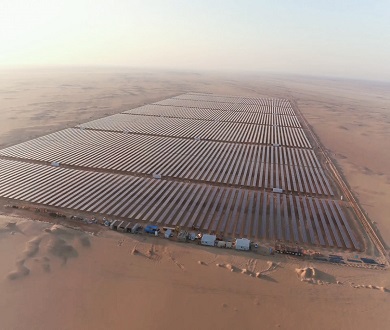
Central to the agreements is a large-scale solar and energy storage project to be developed by Scatec in Minya, Upper Egypt. According to an Egyptian cabinet statement, the project will have a generation capacity of 1.7 gigawatts, supported by battery storage systems capable of delivering up to 4 gigawatt hours. Once completed, it would rank among the largest solar-plus-storage installations in the region, helping to stabilize the power grid and improve energy reliability during peak demand.
In parallel, Sungrow will establish a manufacturing facility for energy storage batteries in the Suez Canal Economic Zone. The factory is expected to supply a portion of its output to the Minya project, linking local manufacturing with utility-scale renewable deployment. Egyptian officials view the factory as a strategic investment that could strengthen domestic supply chains, create jobs, and support future renewable projects across the country and neighboring markets.
The agreements also include long-term power purchase arrangements. Scatec said it had signed contracts covering a total capacity of 1.95 gigawatts of generation and 3.9 gigawatt hours of battery storage, providing the commercial foundation needed to finance and operate the projects.
Egypt has set a target for renewable energy to account for 42 percent of its electricity generation mix by 2030, up from roughly 20 percent today. The country has already developed some of the largest solar and wind projects in Africa, including the Benban Solar Park near Aswan and major wind farms along the Red Sea coast. However, officials have repeatedly warned that meeting the 2030 target will require sustained foreign investment, affordable financing, and international technical support.
The new deals come at a time when Egypt is under pressure to balance economic reform with rising energy needs driven by population growth and industrial expansion. Renewable energy, particularly solar power supported by battery storage, is seen as a way to reduce fuel import costs, cut emissions, and improve long-term energy security.
Energy analysts say the inclusion of large-scale storage is especially significant. Battery systems allow solar power to be dispatched after sunset, making renewables more reliable and reducing the need for gas-fired backup plants. This aligns with broader global trends, as countries increasingly pair renewable generation with storage to stabilize grids and manage intermittent supply.
By attracting investment from European and Chinese companies and combining generation with local manufacturing, Egypt is signaling its intent to move beyond isolated projects toward an integrated clean energy ecosystem. Whether these efforts will be enough to keep the 2030 target within reach may depend on the pace of future deals and the availability of international climate finance, but the latest agreements mark a substantial step forward in the country’s renewable energy transition.
