

Ahmed Kamel – Egypt Daily News
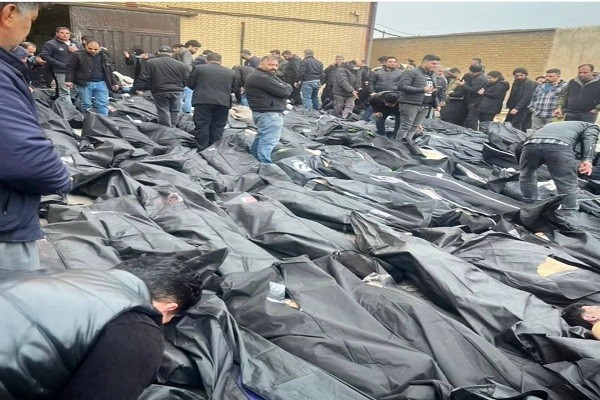
Iranian authorities have for the first time publicly acknowledged the scale of bloodshed resulting from a sweeping crackdown on nationwide protests, with an Iranian official telling Reuters that about 2,000 people have been killed since unrest erupted earlier this month.
Speaking on condition of anonymity, the official said those killed included both protesters and members of the security forces, though no detailed breakdown was provided. The deaths, he said, were the result of violence driven by what authorities describe as “terrorist elements,” a term the government has repeatedly used to characterize armed groups it claims infiltrated otherwise peaceful demonstrations.
The protests, triggered by worsening economic conditions, have posed the most serious internal challenge to Iran’s leadership in several years. Demonstrators initially took to the streets to protest inflation, unemployment, and rising living costs, but the unrest quickly spread across cities and towns, taking on a broader anti-establishment tone. Chants and slogans captured in videos circulating online have reflected growing anger toward Iran’s political elite and clerical leadership.
Iran’s ruling establishment, in power since the 1979 Islamic Revolution, has attempted to balance public messaging with force. Senior officials have acknowledged that grievances over economic hardship are legitimate, while simultaneously authorizing a sweeping security response. Security forces, including police and elite units, have been deployed nationwide, and mass arrests have followed.
Human rights organizations had earlier reported hundreds of deaths and thousands of detentions, warning that the true toll was likely far higher due to restrictions on information. Those concerns were reinforced by the government’s imposition of communications blackouts and severe internet disruptions, which have limited the ability of journalists, activists, and families to verify events on the ground.
Despite these restrictions, videos verified by international media outlets have emerged showing intense nighttime clashes between demonstrators and security forces. The footage depicts gunfire echoing through streets, burning vehicles, and damage to public and private buildings, underscoring the level of confrontation that has unfolded in multiple regions.
Iranian officials have also sought to frame the unrest within a broader geopolitical context, accusing the United States and Israel of encouraging instability. These claims come amid heightened regional tensions and international pressure on Tehran, following military confrontations and ongoing disputes over sanctions and Iran’s regional role.
As the protests enter a third week, the acknowledgment of such a high death toll marks a rare moment of official candor, even as many questions remain unanswered. With communications still restricted and independent verification limited, the full human cost of the unrest may not be known for some time. What is clear, however, is that the scale and intensity of the protests have exposed deep social and economic strains within the country, posing a challenge that Iran’s leadership cannot easily dismiss or contain.
