

Ahmed Kamel – Egypt Daily News
Kyiv is steering its agricultural exports toward traditional and emerging markets in the Middle East and North Africa, particularly Egypt, after the European Union reintroduced import quotas and tariffs on Ukrainian wheat and other farm products. The move reflects broader geopolitical and economic shifts reshaping global grain trade flows.
After three years of virtually duty-free access to the EU market a measure Brussels adopted in 2022 to help Ukraine sustain its economy following Russia’s invasion, the EU reinstated limits on agricultural imports from Ukraine in June 2025. Under the new regime, tariff-free access for wheat into the EU was capped at around 1.3 million tonnes annually, a fraction of the volumes exported in recent seasons. Shipments exceeding these quotas face punitive duties of about €95 per tonne, eroding Ukraine’s price advantage and weakening its competitiveness in the bloc.
The reinstatement of quotas follows mounting pressure from EU farmers and several member states, who argued that the surge in Ukrainian grain supplies undercut local producers. Despite negotiations and a broader trade agreement aimed at modernising agricultural trade, Brussels has prioritized domestic political pressures and market stability over unrestricted access for Kyiv’s exports.
This recalibration has had an immediate impact: Ukrainian wheat deliveries to the EU have declined sharply. Data show exports to the bloc falling from several million tonnes in the 2024/25 season to markedly lower levels in 2025/26, as buyers adjust to tighter conditions.
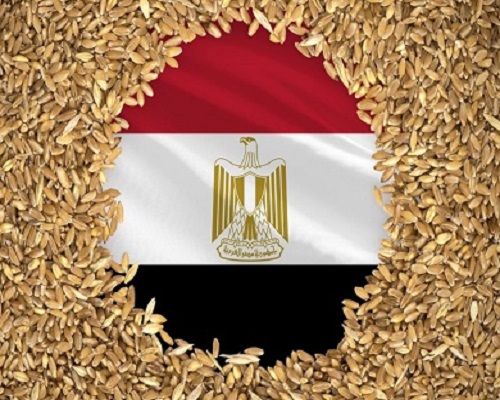
In response, Ukrainian exporters have accelerated efforts to diversify their markets, steering greater volumes toward Asia and Africa with Egypt emerging as a central hub. Traditionally one of the world’s largest wheat importers, Egypt has this season dramatically increased its purchases of Ukrainian grain. Between July and September 2025, Egyptian imports of Ukrainian wheat surged to approximately 1.4 million tonnes, up from around 450,000 tonnes the year before.
According to industry analysts, the share of Ukrainian wheat in Egypt’s overall import mix has expanded significantly. In some months in late 2025, Ukrainian grain accounted for nearly half of Egypt’s wheat purchases, displacing a larger portion of Russian supplies than seen previously.
North Africa as a region has rapidly become the new heart of Ukraine’s wheat trade. Data indicate that between July and October 2025, nearly half of Ukraine’s total wheat exports were destined for North African markets, with Egypt leading the way and Algeria also posting record import volumes. This marks a notable realignment from past seasons, when Western Europe accounted for a much larger share of Ukraine’s shipments.
Several factors have converged to strengthen Ukraine’s position in Egypt. Despite lingering competition from Russian wheat, which still has a substantial market presence logistical improvements, lower freight costs from Black Sea ports, and proactive private sector sourcing in Egypt have helped Kyiv’s exporters gain ground.
For Egypt, diversifying supply sources carries its own strategic logic. The North African economy is highly dependent on imported grain to feed its growing population, and recent years have seen deliberate adjustments in procurement strategies to hedge against global price volatility and geopolitical risk. Ukrainian wheat has offered a competitive alternative amid fluctuating supplies from traditional exporters.
The shift also underscores the wider realignment of global agricultural trade in a period marked by policy shifts, regional tensions, and the aftershocks of Russia’s war in Ukraine. As the EU tightens access and neighbouring markets impose occasional bans and quotas, Ukrainian policymakers and exporters are increasingly looking southward and eastward to sustain export revenues and stabilise domestic farm incomes.
While the EU remains an important long-term partner, the current trade landscape has prompted Kyiv to seek a broader customer base. How these diversified trade links evolve will be crucial to Ukraine’s economic resilience and the stability of global grain markets in the coming seasons.
