

Ahmed Kamel – Egypt Daily News
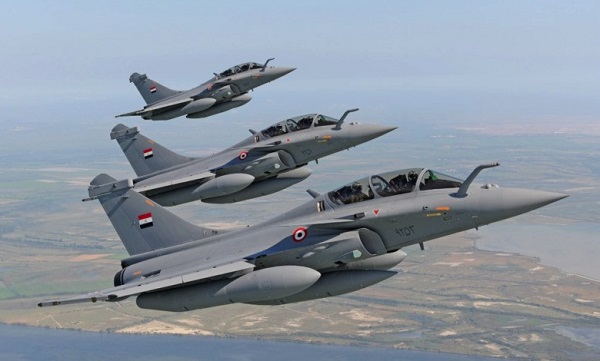
Egypt has maintained its position among the world’s top 10 air forces, according to recent assessments by specialized military and aviation institutions, including FlightGlobal and Global Firepower. The reports rank Egypt eighth globally in terms of total military aircraft fleet size, underscoring the country’s status as a leading air power in the Middle East and Africa.
With an inventory exceeding 1,080 military aircraft of various types, Egypt is ranked first in the Arab world and across Africa. The size of its fleet places it ahead of several regional powers, including Israel, which does not appear among the top 10 countries by overall fleet volume in these rankings.
Analysts attribute Egypt’s strong standing to a long-term strategy focused on modernizing its air force while diversifying sources of military procurement. Over the past decade, Cairo has signed multiple arms deals with major global suppliers, including the United States, Russia, France, and China, reducing dependence on any single supplier and enhancing operational flexibility.
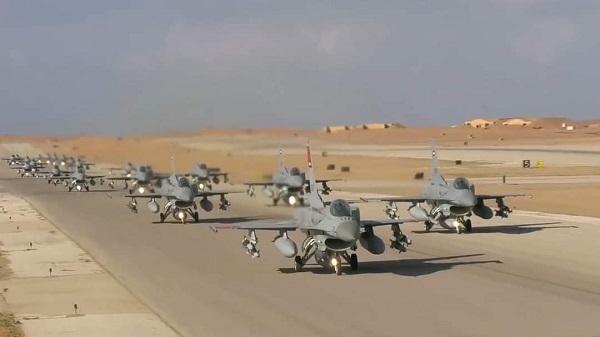
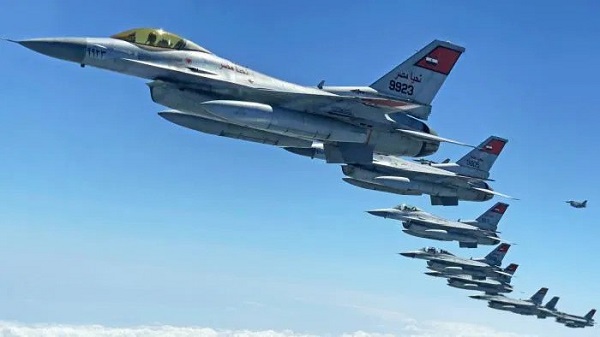
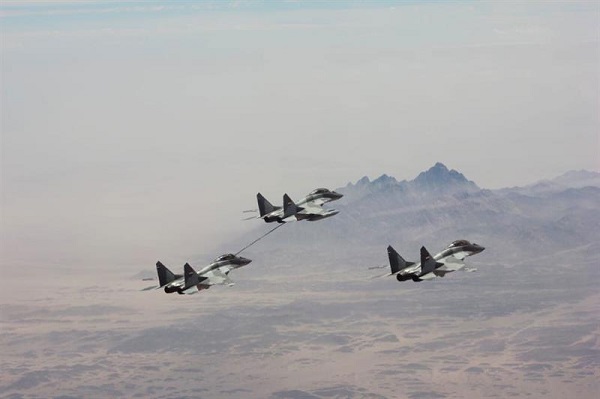
The Egyptian Air Force operates a wide range of combat aircraft, helicopters, transport planes, and surveillance platforms. Its fighter fleet includes MiG-29M/M2 multirole fighters, Dassault Rafale jets, Mirage 2000 aircraft, and F-16C Block 52 fighters. Rotary-wing capabilities are supported by Ka-52 “Alligator” attack helicopters, AH-64D Apache gunships, and Gazelle light attack helicopters. Egypt also operates airborne early warning and control aircraft, such as the E-2C Hawkeye, strengthening its command, control, and situational awareness capabilities.
Historically, air power has been a central pillar of Egypt’s military doctrine. The Egyptian Air Force played a decisive role in the October 1973 War, a legacy that continues to shape defense planning and investment priorities. Today, the emphasis is on maintaining a balanced force capable of executing a wide spectrum of missions, ranging from air superiority and deep-strike operations to reconnaissance, close air support, and counterterrorism missions.
According to the same reports, the world’s top 10 air forces by fleet size are led by the United States, which operates the largest air fleet globally with more than 13,000 aircraft. Russia ranks second, supported by its extensive inventory of strategic bombers and fighter jets, followed by China, whose rapid advancements in fifth-generation aircraft have propelled it into third place. India, South Korea, Japan, and Pakistan also feature among the top ranks.
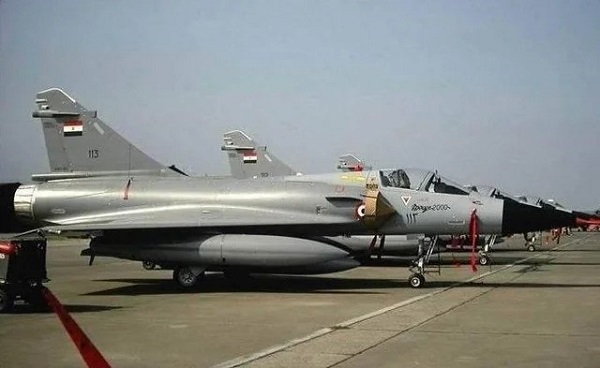
Egypt occupies the eighth position, followed by Turkey and France. While Turkey has invested heavily in unmanned aerial vehicles in recent years, its number of manned, combat-ready aircraft has declined relative to peers. France, despite its advanced aerospace industry and leadership in fighter jet manufacturing most notably the Rafale ranks lower in terms of sheer fleet size.
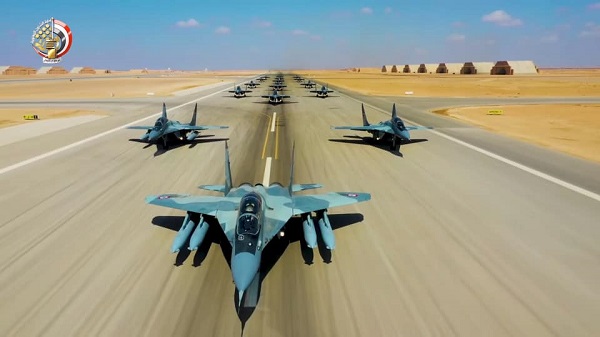
Military observers note that Egypt’s advantage lies not only in numbers, but also in the diversity of its platforms. The combination of Western systems such as the F-16 and Rafale with Eastern aircraft like the MiG-29, provides the Egyptian Air Force with unique operational versatility and resilience.
This balance, experts say, enhances Egypt’s ability to conduct simultaneous missions across multiple theaters and respond effectively to a complex regional security environment. The country’s continued presence among the world’s leading air powers is widely seen as a reflection of the success of its defense modernization strategy and its focus on maintaining a credible and adaptable deterrent capability.
