

Ahmed Kamel – Egypt Daily News
Dozens of Israeli settlers briefly crossed the border into southern Lebanon this week in a move that sparked condemnation from Lebanese officials and prompted intervention by the Israeli military.
The settlers, affiliated with the movement Uri Tzafon, described the action as a “moral and historic step” aimed at protecting Israel’s northern communities. Participants included residents of northern Israel, army reservists, and families who lost relatives during the ongoing Gaza war, known in Israel as the “Iron Swords” war.
According to the movement, settlers entered Lebanese territory near the border village of Yaroun and planted trees in memory of Yisrael Sokol, who was killed during the conflict. Demonstrators carried banners reading “We plant roots, we plant security,” and called for the renewal of Jewish settlement in southern Lebanon.
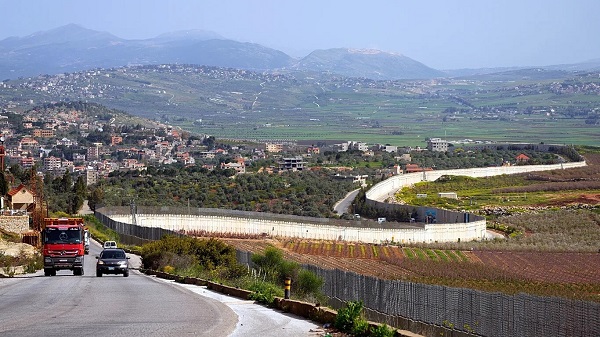
The episode unfolded along the volatile frontier between Israel and Lebanon, an area that has witnessed repeated flare-ups between Israeli forces and the Lebanese armed group Hezbollah since October 2023. While large-scale ground incursions have not materialized, the border has remained tense, with near-daily exchanges of fire at various points over the past year.
Israeli military authorities said troops identified a gathering of approximately 20 individuals near the border fence. Two people who crossed the fence into Lebanese territory were detained and returned to Israel before being handed over to police for further legal proceedings.
In a statement, the military described the incident as a “serious violation of the law” that endangered both civilians and security personnel operating along the frontier. It stressed that unauthorized activity in the sensitive border zone poses security risks and would not be tolerated. No injuries were reported.
Anna Slutskin, identified as one of the movement’s leaders, defended the action, saying the group had come “to plant trees and establish roots in our land, regardless of fences.” She argued that civilian settlement near Israeli military positions would strengthen the security of northern communities and deter cross-border attacks.
The call to reestablish Jewish settlements in southern Lebanon is highly controversial and illegal. Israel maintained a security zone in southern Lebanon from 1985 until its withdrawal in 2000, a period marked by sustained conflict with Hezbollah and other armed factions. Since the withdrawal, the international border known as the Blue Line and monitored by the United Nations has remained a flashpoint.
Lebanese lawmaker Melhem Khalaf sharply criticized the activists’ actions, describing the crossing of the border and violation of Lebanese sovereignty as an unprecedented act of provocation. Writing on the social media platform X, he said Lebanon “is not open land to correct historical illusions, nor a backyard for sick settlement projects.”
Khalaf added that Lebanese sovereignty is a “red line,” asserting that the country’s borders are not a testing ground for expansionist ambitions. “Whoever claims to defend security while demanding settlement on another’s land must first defend respect for international law,” he wrote, concluding: “Lebanon is not for sale, not for annexation, and not for bargaining.”
The incident underscores the fragility of the Israel-Lebanon border at a time of heightened regional tensions. While the activists’ action was limited in scope and quickly contained, it has revived sensitive historical memories and raised fresh concerns about the potential for escalation along one of the Middle East’s most combustible frontiers.
