

Ahmed Kamel – Egypt Daily News
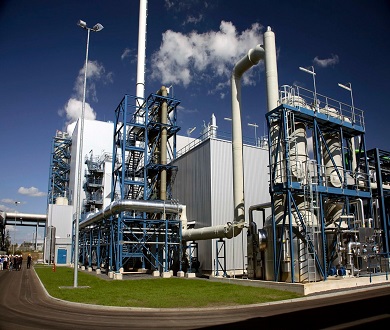
Egypt is embarking on a sweeping $4 billion overhaul of its oil refining sector, a move aimed at reducing the country’s heavy reliance on imported fuel, strengthening energy security, and positioning Cairo as a regional refining hub.
The plan, announced by Petroleum and Mineral Resources Minister Karim Badawi, encompasses six refinery-upgrade projects designed to modernize aging infrastructure, raise production capacity, and increase the value added from domestically processed crude. The initiative forms part of Egypt’s broader economic reform program and reflects the government’s effort to balance fiscal discipline with long-term industrial growth.
Speaking during meetings with senior officials from the International Finance Corporation, including Ethiopis Tafara and Cheick-Oumar Sylla, Badawi outlined a strategy to enhance the efficiency of state-operated refineries and attract greater private-sector participation in downstream industries such as refining, petrochemicals, and mining. The discussions also explored potential financing mechanisms and technical cooperation, signaling Cairo’s intention to leverage international capital and expertise.
Addressing Structural Constraints
Egypt operates approximately 840,000 barrels per day of nominal refining capacity across roughly a dozen facilities, most of them managed by the Egyptian General Petroleum Corporation. However, actual output has been constrained to around 600,000 barrels per day due to aging infrastructure, operational bottlenecks, and maintenance gaps, according to assessments by the U.S. Department of Commerce.
The country’s two largest refineries Mostorod Refinery and MIDOR Refinery each process about 160,000 barrels per day. Modernization at these and other facilities is expected to improve conversion rates, enhance yields of higher-value products such as diesel and gasoline, and reduce inefficiencies that have forced Egypt to import substantial volumes of refined fuel products.
Egypt’s fuel consumption has steadily increased in line with industrial expansion, population growth, and rising transportation demand. The gap between domestic production and consumption has weighed on public finances, particularly during periods of elevated global oil prices. By upgrading refining capacity, the government hopes to narrow that gap, reduce exposure to external supply shocks, and curb the fuel import bill.
Reform and Investment Climate
The refinery initiative dovetails with Egypt’s economic reform program supported by the International Monetary Fund, which has included fuel subsidy reductions and gradual price liberalization. These measures have eased pressure on the state budget and created room for reinvestment in critical infrastructure.
Officials say reforms in payment structures with exploration and production partners are also under way, aimed at encouraging upstream operators to increase output and ensure a steady supply of crude and feedstock to newly upgraded refineries.
The partnership with the International Finance Corporation underscores a broader strategy to expand private-sector involvement in Egypt’s downstream energy industries. In addition to financing, cooperation is expected to focus on improving environmental performance and energy efficiency at refinery sites — a key consideration as Egypt seeks to reconcile industrial expansion with climate-transition commitments.
Regional Ambitions
Cairo’s ambitions extend beyond domestic supply. By strengthening its refining base and integrating upstream gas developments, the government aims to cement Egypt’s role as an energy hub for North Africa and the eastern Mediterranean.
Recent expansions at the Zohr gas field, one of the largest natural gas discoveries in the Mediterranean, have bolstered upstream capacity and provided additional feedstock for domestic industries. Combined with investments in midstream infrastructure and export facilities, refinery upgrades are intended to create a more integrated and resilient energy value chain.
Analysts view the $4 billion program as a pivotal test of Egypt’s ability to translate reform commitments into tangible industrial gains. If successful, the modernization drive could reduce fiscal vulnerabilities, stimulate job creation in high-value sectors, and strengthen Egypt’s competitive position in regional energy markets.
For Cairo, the stakes are both economic and strategic. In a region marked by volatile energy markets and shifting geopolitical alliances, greater refining self-sufficiency offers not only cost savings but also leverage reinforcing Egypt’s long-standing ambition to serve as a bridge between energy producers and consumers across Africa, the Middle East, and Europe.
