

Ahmed Kamel – Egypt Daily News
A wave of attacks linked to Iran struck critical energy and maritime infrastructure across the Gulf, setting off fires, explosions, and widespread alarm. The strikes targeted key industrial sites and shipping hubs, underscoring rising tensions in the region.
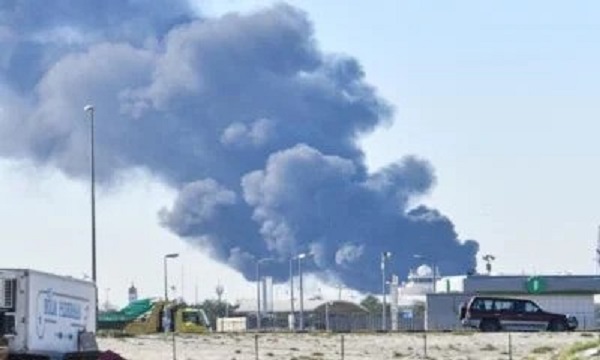
In Abu Dhabi, authorities reported three fires at the Borouge petrochemical complex, one of the region’s largest chemical facilities. Officials said the blazes were triggered by debris from intercepted missiles or drones. Emergency crews responded swiftly, bringing the fires under control. No casualties were reported, though the facility sustained damage, which is still being assessed.
Meanwhile, in the Emirate of Sharjah, an incident struck Khor Fakkan Port, a vital shipping hub on the Gulf of Oman. Authorities confirmed that emergency teams were handling the situation and emphasized that no injuries had occurred. A British maritime agency reported that projectiles landed near a vessel during loading operations, highlighting the threat to international shipping and trade routes.
Across the Gulf, Kuwait and Bahrain activated air defense systems in response to incoming missile and drone threats. The attacks appear to be coordinated, focusing on energy infrastructure and shipping facilities, which are central to both regional economies and global oil and gas markets.
Officials praised the effectiveness of defensive measures, noting that the rapid response prevented casualties and limited damage. However, the attacks signal a significant escalation, demonstrating Tehran’s ability to strike multiple high-value targets across national borders.
The wave of strikes comes amid growing geopolitical tensions in the Gulf, raising concerns about further regional conflict and the vulnerability of critical energy infrastructure. Even with air defenses intercepting many threats, the incidents left fires, damage, and a clear warning that the Gulf could face even more dangerous confrontations in the days ahead.
