

Ahmed Kamel – Egypt Daily News
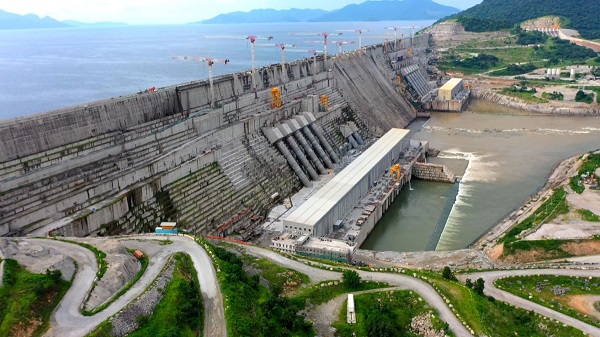
Egypt is entering a period of heightened concern as Ethiopia’s rainy season approaches with the Grand Ethiopian Renaissance Dam already holding massive water reserves and no new agreement in place to regulate downstream flows.
Satellite data and expert assessments indicate that the dam’s reservoir remains at roughly 47 billion cubic meters, a level considered unusually high for this time of year, just days before seasonal rains begin in the Blue Nile basin. With rainfall expected to intensify sharply in the coming months, the risk is not just rising water levels, but how that water will be released.
Egyptian water experts warn that the current situation mirrors conditions that led to sudden and damaging discharges last year, when uncoordinated releases triggered flooding in Sudan and forced Egypt to take emergency measures to manage excess water. The concern now is that the same scenario could repeat on a larger scale.
Compounding the risk is the apparent halt in dam operations. Observations show that upper turbines have stopped after limited activity, while lower units have reportedly been offline for months. This effectively turns the reservoir into a storage basin rather than an active system for controlled flow and power generation.
Under normal operating conditions, experts say reservoir levels should be significantly lower ahead of the rainy season, closer to 20 billion cubic meters, to safely absorb incoming water. Instead, the dam is already holding more than double that volume, leaving little margin to handle the surge expected between June and August, when inflows typically peak.
The core danger lies in what officials describe as uncontrolled discharge. If Ethiopia is forced to release large volumes of water quickly to protect the dam, downstream countries could face sudden flooding without warning, particularly Sudan, which remains the most exposed.
Egypt has already experienced indirect consequences from such events. Last year, excess flows forced authorities to divert water into desert spillways, effectively wasting valuable resources while preventing damage to infrastructure. The High Dam played a crucial role in shielding the country from more severe flooding.
Despite repeated calls for coordination, there has been no breakthrough in negotiations. Egypt declared talks with Ethiopia stalled in 2024, citing a lack of political will to reach a binding agreement on filling and operation rules. Ethiopia continues to insist the dam is a development project and denies causing harm to downstream nations.
With rainfall now imminent, the situation is shifting from a political deadlock to a real-world test. Whether the coming months bring controlled management or another wave of disruption will depend entirely on decisions that, so far, remain unresolved.
