


Egypt Daily News – Oil prices plunged by more than 7% after Iran’s retaliatory strike avoided targeting U.S. energy infrastructure, easing investor fears that the conflict would lead to a major disruption of supplies from the Middle East.
Brent crude for August delivery dropped 7.2% to close at $71.48 a barrel. West Texas Intermediate (WTI) crude fell below $70 a barrel.
The declines followed Iran’s missile attack on a U.S. airbase in Qatar in response to airstrikes ordered by President Donald Trump over the weekend targeting three of Iran’s nuclear facilities. Initial fears that Iran’s response would include closing the Strait of Hormuz, a key chokepoint for about one-fifth of global oil supply were quickly subdued. Qatar reported the missiles were intercepted and caused no injuries.
Sharp Volatility in Oil Prices
Prices swung violently on Monday, fluctuating by as much as $10 a barrel. Oil initially surged over 6% before reversing sharply, reflecting high market anxiety and the sensitivity of global energy markets to any developments in the region.
Rebecca Babin, senior energy trader at CIBC Private Wealth Group, said the market interpreted Iran’s limited response as a sign that energy infrastructure was not the primary target. She added that the U.S. may have had advance warning of the attack, indicating it was more symbolic than a real escalation.
The Middle East accounts for about one-third of global oil production. So far, there are no signs of actual supply disruptions, including those through the Strait of Hormuz. Since the beginning of Israeli airstrikes earlier this month, Iranian oil exports through the Gulf have reportedly increased, not decreased.
Ongoing Supply Threats
Despite the current dip in prices, supply threats remain as tensions across the Middle East persist. Saudi Arabia condemned the Iranian strike on Qatar and expressed readiness to support Doha in any measures it may take.
Meanwhile, demand concerns are also starting to surface. Several countries, including Kuwait, Bahrain, and Iraq, temporarily closed their airspace before reopening, disrupting global air travel.
Trump’s social media warning about rising oil prices further pressured the market. He urged the Department of Energy to accelerate domestic drilling efforts. Energy Secretary Chris Wright responded briefly, saying, “We’re working on it.”
The oil market has been under increasing pressure since Israeli strikes on Iran more than a week ago sparked fears of broader instability. Those concerns boosted oil prices and triggered a surge in options trading. The futures curve briefly reflected fears of immediate supply disruption.
The spread between the two nearest WTI contracts, a measure of near-term supply tightness widened to $2.24 per barrel in a bullish backwardation structure, up from $1.18 on Friday, before later retreating.
Focus on Strait of Hormuz
The unprecedented U.S. strikes targeted Iran’s nuclear sites in Fordow, Natanz, and Isfahan, aiming to disable the country’s nuclear program. Iran had earlier warned that such actions would lead to severe consequences.
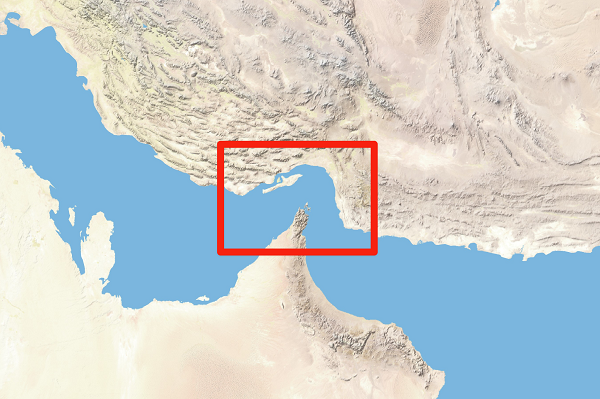
Multiple interrelated risks still threaten oil flows, especially concerning the Strait of Hormuz, should Iran decide to attempt a closure. About 20% of global oil output passes through this narrow waterway at the Gulf’s entrance.
Despite the risks, oil tankers have continued their transit, which regional naval liaison officers described as a “positive sign for the near future.” Two supertankers briefly changed course away from the strait on Sunday before resuming their original routes.
Iranian state media reported that parliament had called for the closure of the Strait, but such a move would require approval from Supreme Leader Ali Khamenei. Instead, Iran may opt to impose limited restrictions on shipments through other means.
U.S. Energy Secretary Chris Wright played down the chances of a full closure, stating the risk “remains low.”
A Symbolic Response
Pavel Molchanov, analyst at Raymond James, said Iran’s missile launch on a U.S. base in Qatar appeared to be a de-escalatory move, reminiscent of Iran’s response in January 2020 after the U.S. killed a top Iranian general. That incident also resulted in a largely symbolic Iranian retaliation.
The current disruptions aren’t limited to crude oil. Diesel contracts in New York experienced similar volatility, rising to a 12-month high before falling nearly 7% later in the session. European markets, which depend heavily on Middle Eastern imports, showed comparable price swings.
This crisis is expected to draw renewed attention to OPEC and its allies, including Russia. In recent months, the OPEC+ alliance has been easing supply curbs to regain market share. However, member states still retain significant spare capacity that could be reactivated if needed.
