

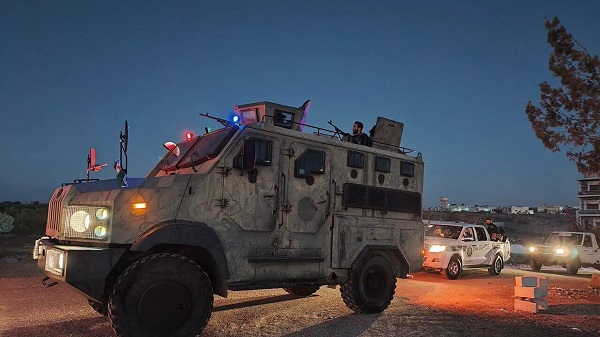
Egypt Daily News – The Syrian army has begun withdrawing its forces from the city of Sweida following intense Israeli airstrikes and mounting international pressure to de-escalate a rapidly deteriorating situation in southern Syria. The development comes as the United States intensifies diplomatic efforts to broker calm between Israel and Syria, amid growing fears of a wider regional conflict.
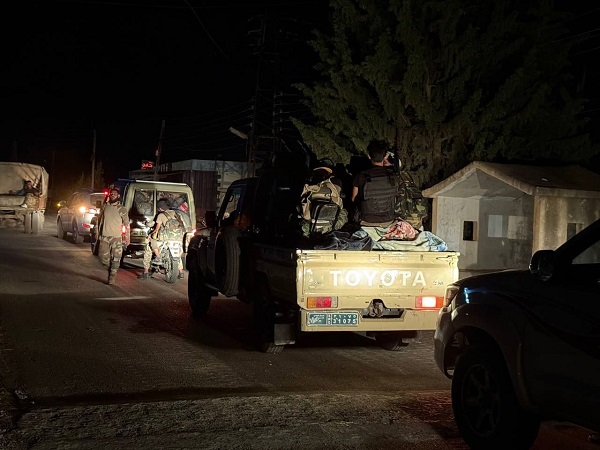
According to local sources, the withdrawal follows days of deadly confrontations in Sweida, a majority-Druze city, where clashes between local groups and Syrian government forces erupted after Israeli air raids struck multiple military targets in the area.
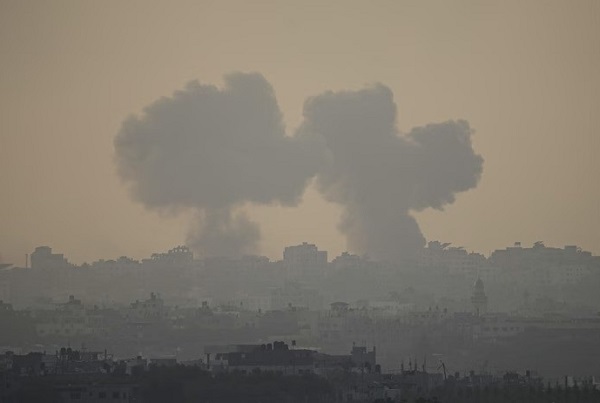
In a major escalation on Wednesday, the Israeli Air Force launched a series of airstrikes on the Syrian capital, Damascus, targeting critical sites including the General Staff Headquarters, the Ministry of Defense, and areas surrounding the presidential palace. Israeli Defense Minister Israel Katz confirmed that the campaign may extend for several more days.
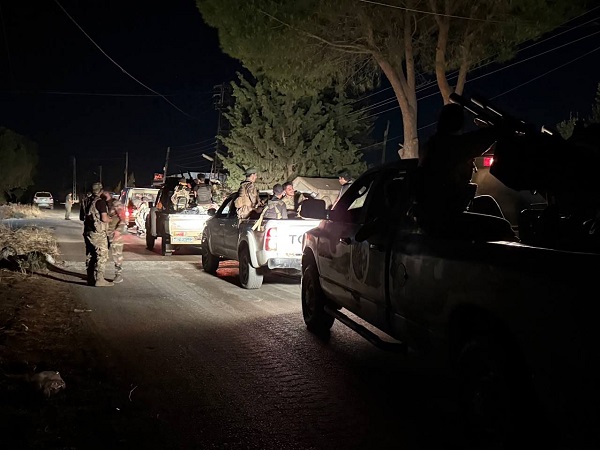
Prime Minister Benjamin Netanyahu described the situation in southern Syria as “extremely dangerous,” and reiterated that Israel was acting to “protect the Druze population and confront what he called ‘regime militias.'”
Israeli Attacks Expand to Sweida
In parallel with the Damascus strikes, Israeli jets also bombed locations linked to the Syrian transitional government in Sweida province, coinciding with renewed street clashes in the city itself. The offensive has prompted fears of further civilian casualties and regional destabilization.
In a press conference held later that day, Israeli Foreign Minister Gideon Sa’ar accused Syria’s transitional government, led by Ahmed Al-Sharaa, of committing “hostile acts against minorities,” particularly the Druze. “This regime is unelected and seized power by force,” he said. “How much longer will the world remain a bystander to Syria’s tragedy?”
The remarks came amid growing discontent within Israel’s own Druze community, which has demanded action to protect their ethnic kin across the border.
U.S. Pushes for De-escalation, Cites Misunderstanding
U.S. Secretary of State Marco Rubio weighed in from the White House, where he stood alongside President Donald Trump and Bahrain’s Crown Prince during a joint appearance. Rubio suggested that a “misunderstanding” between Israel and Syria had fueled the crisis, stemming from “longstanding tribal and ethnic rivalries” in southwest Syria, specifically between the Druze and Bedouin populations.

“We’ve been working around the clock with both parties,” Rubio said. “We are hopeful that within the next few hours we will see concrete progress toward de-escalation.”
The secretary also acknowledged U.S. concerns that continued Israeli airstrikes could undermine the fragile stability of Syria’s central government. “Washington believes the Israeli response, while politically pressured by domestic Druze constituents, risks destabilizing a government that intelligence indicates had limited involvement in the violence in Sweida,” Rubio noted.
Signs of a Tentative Agreement
The U.S.-based news outlet Axios cited a senior American official as saying the two sides are “very close” to reaching an agreement that would halt hostilities. The source indicated that Washington has urged Israel to cease its military operations and instead pursue direct dialogue with Syria.
“The intelligence community does not support claims that the Syrian government orchestrated the recent atrocities in Sweida,” the official said. “We are cautioning that further escalation could severely jeopardize progress toward a new regional security framework.”
Despite this, Israeli officials have maintained a firm stance. Defense Minister Katz warned that military operations would persist if Syrian forces remained active in Sweida. Yet Wednesday evening’s reports of Syrian troop withdrawals suggest that diplomatic pressure, particularly from the U.S. may be influencing developments on the ground.
A Complex Web of Regional Tensions
The unfolding crisis has once again underscored the volatile nature of southern Syria, a region where local sectarian tensions, internal Syrian political fragmentation, and external military interventions intersect. The Druze community, historically semi-autonomous and often caught between competing powers, now finds itself at the center of an international crisis.
With American diplomacy in overdrive, Israeli air raids ongoing, and Syrian forces retreating from contested zones, the coming hours may prove pivotal. Whether these developments mark the beginning of a lasting de-escalation or simply a tactical pause in a deepening conflict remains to be seen.
