

Ahmed Kamel – Egypt Daily News
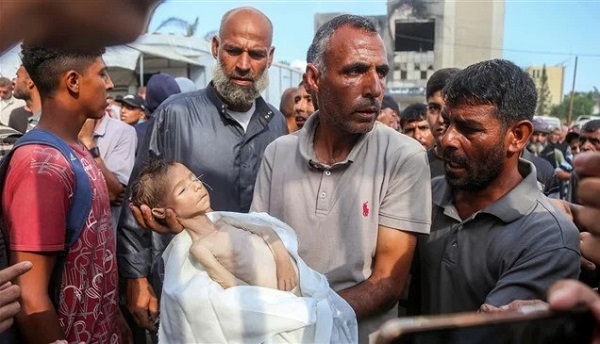
As Israel presses forward with a controversial military operation to seize control of Gaza City, the central refugee camps, and Deir al-Balah, international pressure is mounting following a severe blow from the United Nations: the formal declaration of a famine in the Gaza Strip. The move, made by the UN’s Integrated Food Security Phase Classification (IPC), could significantly erode Israel’s legitimacy on the world stage, even among its Western allies.
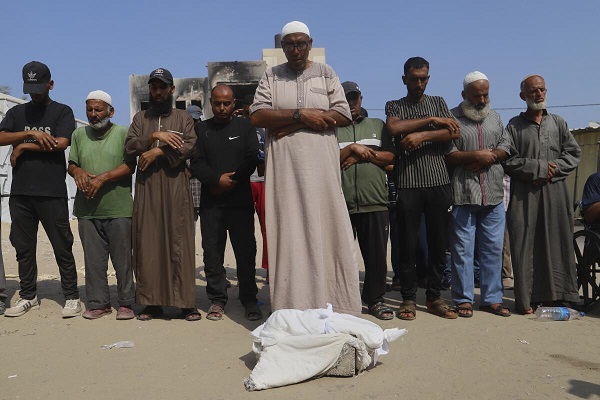
The IPC, previously cited by Israel as a credible authority that denied famine in Gaza, has reversed its stance based on new evidence. The latest report, expected to be submitted to the UN Security Council, concludes that over 20 percent of Gaza’s population now suffers from extreme food insecurity, with civilians dying from hunger due to military operations and widespread chaos.

This development coincides with a renewed Israeli ground operation, reportedly opposed by parts of the military command, and ordered by Prime Minister Benjamin Netanyahu’s government. Observers say the offensive is politically motivated, as Netanyahu appears to delay ceasefire agreements supported by Hamas and regional mediators, instead floating the idea of a new, undefined “comprehensive deal” to prolong negotiations.
The UN’s famine declaration could have far-reaching diplomatic consequences. Legal experts in Tel Aviv have warned that such a determination strips Israel of its already tenuous international justification for the Gaza campaign. “This is more than a public relations setback,” one analyst said. “It opens the door to serious political and legal challenges in Europe, and possibly even in the United States.”
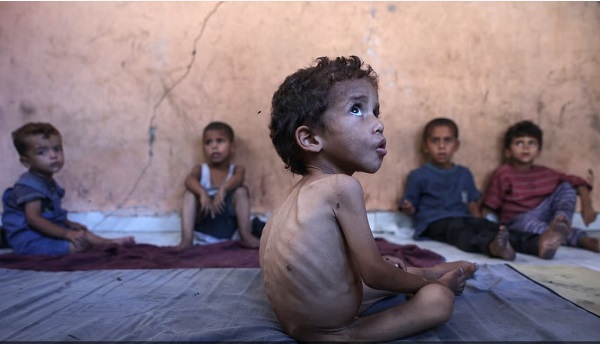
The IPC’s earlier reports had lent credibility to Israeli claims that it was allowing adequate humanitarian aid into Gaza. In July 2024, the organization had controversially stated that famine conditions were not present, citing discrepancies in NGO reports and suggesting aid levels exceeded the minimum required for survival. Israel seized upon that assessment to counter allegations that it was using starvation as a weapon of war.
But behind the scenes, IPC officials were in communication with Israeli authorities, including General Ghassan Alian, the Coordinator of Government Activities in the Territories (COGAT). Despite detailed briefings and data shared by Israel about its aid efforts, the IPC was reportedly unconvinced.
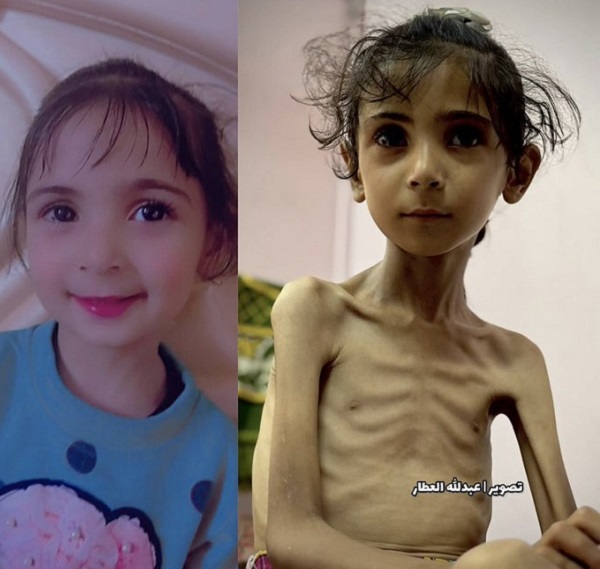
Israel, anticipating the fallout, had prepared a public relations campaign aimed at refuting famine allegations. It includes a propaganda film showing Israeli soldiers facilitating bakery operations, distributing fresh bread, and even providing traditional dishes like manakish, pizza, and baklava to civilians. The campaign also accuses Hamas of intercepting aid, hoarding supplies for fighters, and selling what remains at inflated prices.
However, international legal experts and humanitarian observers say such efforts are unlikely to succeed in swaying global opinion. According to Israel’s Maariv newspaper, European governments are preparing a wave of political action in response to the UN findings, and the Biden administration may also come under pressure to alter its stance.
Compounding the crisis is the growing domestic backlash against Netanyahu from within Israel. The Forum of Families of Israeli Hostages, whose relatives are being held by Hamas, issued a scathing statement accusing the prime minister of deliberately sabotaging prisoner exchange deals for political gain.
“There is once again a deal on the table that could free ten of our loved ones,” the forum said. “Netanyahu is trying to derail it, just as he has done before for his own interests and those of the extremist wing in his government.”
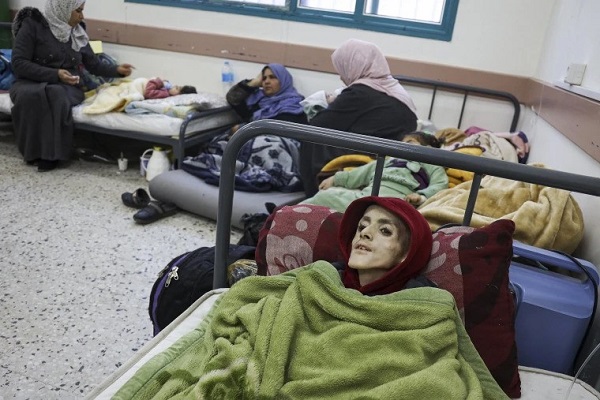
Israeli media have echoed the sentiment. Channel 13 aired a detailed investigative report featuring statements from prominent figures, including former U.S. State Department spokesman Matthew Miller, former White House envoy Brett McGurk, and senior Israeli officials like Yoav Gallant and Gadi Eisenkot. All four confirmed that Netanyahu had blocked several near-finalized agreements in recent months.
Meanwhile, dissent is growing among the military ranks. In interviews with Channel 12, Israeli reserve officers preparing to enter Gaza questioned the purpose of the latest offensive. “What is the real objective here?” one officer asked. “Are we risking our lives for the security of Israel—or for the survival of a government that refuses to make peace?”
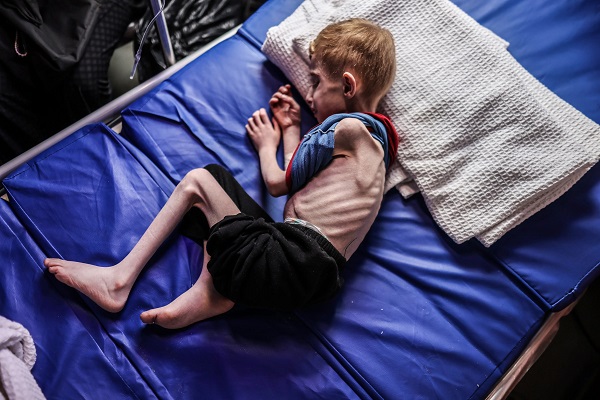
With humanitarian catastrophe looming, mounting international isolation, and domestic unrest deepening, Israel’s Gaza policy faces one of its most critical junctures. The UN’s famine declaration is more than just a symbolic rebuke—it could mark a turning point in the global response to the war.
