

Ahmed Kamel – Egypt Daily News
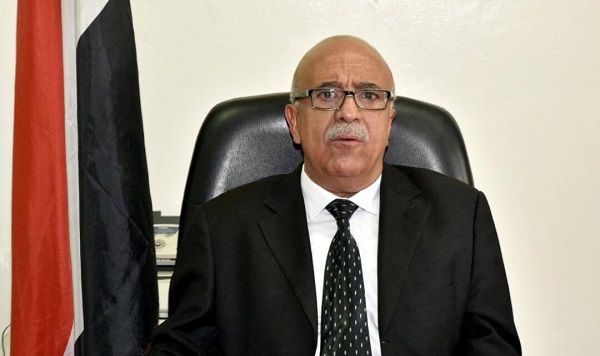
Yemen’s Houthi rebels announced on Saturday that their Prime Minister, Ahmed Ghaleb Al Rahwi, along with several senior government officials, were killed in an Israeli airstrike on Thursday, which targeted the capital, Sanaa. The attack, attributed by the Houthi leadership to Israel, occurred amid heightened tensions in the region following Israel’s strikes in Gaza and ongoing military operations by the Houthis.
Israel’s military confirmed on Thursday that it had “precisely struck a Houthi terrorist regime military target” in Sanaa. While the Israeli military did not provide specific details on the casualties at the time, reports from Israel’s army radio on Friday indicated that the strikes were aimed at key Houthi leadership figures, including the chief of staff and the defence minister, though confirmation of their deaths was awaited.
Initially, the Houthi rebels denied reports that their leadership had been impacted. However, in a statement released on Saturday, they confirmed the deaths of Prime Minister Al Rahwi and other government ministers, calling the Israeli strike an act of “criminal and treacherous aggression” against their government. The group added that the attack occurred during a government workshop, further underscoring the targeted nature of the strike.
The Houthi statement reiterated their steadfast support for the Palestinian cause, especially in light of Israel’s ongoing military campaign in Gaza, and sought to assure the Yemeni people that the attack would not disrupt public services. “The institutions will continue to provide services to the struggling, patient, and steadfast Yemeni people, no matter the extent of the disaster,” the statement said, attempting to reassure the population about the continuity of governance.
The Houthis, who are backed by Iran, have consistently voiced their support for Hamas and the Palestinian cause. In the wake of the ongoing conflict in Gaza, they have launched missile and drone attacks on Israel and have targeted commercial shipping in the Red Sea, contributing to regional instability. Israel has responded by targeting Houthi leadership figures, and the strike on Sanaa represents a continuation of that effort.
In response to the deaths of senior government figures, the Houthi military chief of staff, Mohammad Al Ghamari, vowed swift retaliation against Israel. He stated that the Houthis would not back down from supporting Gaza, despite the sacrifices and challenges ahead.
“The Zionist escalation in Gaza or against Yemen is not a sign of strength but rather evidence of the enemy’s failure to achieve its objectives over the past two years,” he declared, emphasizing the Houthis’ resolve to continue their resistance against Israel.
The attack on Sanaa marks a significant development in the ongoing conflict between Israel and the Iran-backed Houthis. As tensions in Gaza continue to mount, and with the Houthis escalating their activities in the Red Sea and against Israeli interests, the broader Middle East region faces a continued risk of further instability and violence.
The Houthis’ vow of retaliation suggests that the conflict between Israel and the Houthis is far from over, and the fallout from this strike may have far-reaching consequences for both Yemen and the broader geopolitical landscape.
