

Ahmed Kamel – Egypt Daily News
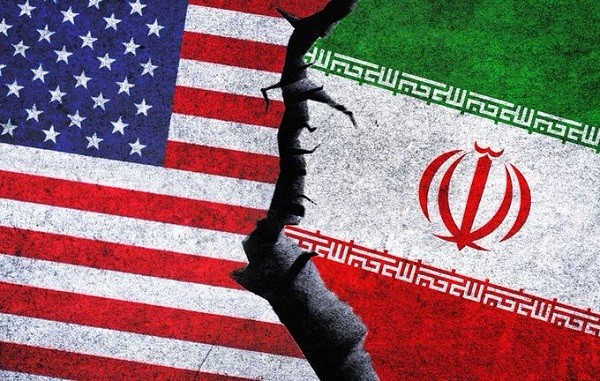
The Islamic Republic of Iran has formally delivered a rigid manifest of eight non-negotiable diplomatic demands to the United States as a strict precondition for reopening the strategic Strait of Hormuz. The Supreme National Security Council, presided over by Secretary Mohammad Bagher Zolghadr, explicitly declared that the global energy chokepoint will remain locked down until Washington fundamentally corrects its behavior.
This high-stakes policy statement comes at a vital strategic juncture, as a sixty-day Pakistan-mediated negotiation window approaches its final week. The newly compiled list includes previously unseen diplomatic requests alongside long-standing demands for an immediate termination of the United States naval blockade, a permanent end to the air war, and the absolute withdrawal of all Western military personnel from the region.
Iranian Security Council Demands Total Sanctions Relief and Substantial Financial Reparations
The Revolutionary Guard commander reported directly to Supreme Leader Mojtaba Khamenei, who is currently reviewing a parallel maritime transit proposal drafted by Omani mediators. Beyond the cessation of active military operations, Tehran is now demanding the comprehensive lifting of all primary financial sanctions, the immediate unfreezing of overseas sovereign assets, and the formal payment of war reparations.
The Islamic Republic News Agency verified that the final clauses of the document require Washington to permanently cease all public threats against the clerical administration and halt targeted operations against regional proxy allies. This explosive diplomatic development materialized on the exact day that United Arab Emirates defense networks confirmed one of their commercial shipping vessels was targeted by an Iranian anti-ship missile within the strait.
White House Denies Intense Internal Pentagon Confrontation Regarding Severe Air Defense Shortages
In Washington, President Donald Trump aggressively moved to quash widespread intelligence reports indicating a severe systemic shortage of long-range guided missiles and air defense interceptors. The Washington Post revealed that an intense confrontation unfolded during a high-level security meeting at Camp David between Secretary of War Pete Hegseth and Deputy Secretary Stephen Feinberg over the missing inventory data.
Hegseth reportedly blamed Feinberg for failing to keep the commander-in-chief fully briefed on the interceptor crunch, which has heavily restricted the military’s capability to launch fresh retaliatory strikes against Iranian missile bases. Trump published an angry response on Truth Social, denying any munitions deficit and demanding long-term jail sentences for the intelligence leakers whom he formally accused of treasonous behavior.
Munitions Scarcity Alters Interception Protocols Across Middle Eastern Theater Command Zones
The White House press pool joined the pushback, with Press Secretary Karoline Leavitt labeling the internal administrative rift as entirely fake news while reaffirming the president’s utmost confidence in Hegseth’s defense management. Despite the official administration denials, secondary reports indicate that Feinberg received a furious direct phone call from the Oval Office before summoning top Pentagon brass to a late-night emergency crisis session.
The unprecedented interceptor crunch is reportedly so severe that regional commanders are forced to calculate the exact structural trajectory of incoming hostile missiles before committing defensive assets. Far from the swift military victory originally promised by early congressional cheerleaders, the multi-front conflict has ground into a devastating six-month operational stalemate that has claimed the lives of eighteen American servicemen.
Tehran continues to maintain a posture of military endurance, utilizing heavy ballistic salvos to pressure forward operating bases while effectively strangling twenty percent of global oil transit. With Gulf Arab allies actively pleading for immediate restraint to shield fragile desalination infrastructure, the Trump administration remains trapped between enforcing absolute deterrence and navigating a deep logistical munitions crisis.
