

Ahmed Kamel – Egypt Daily News
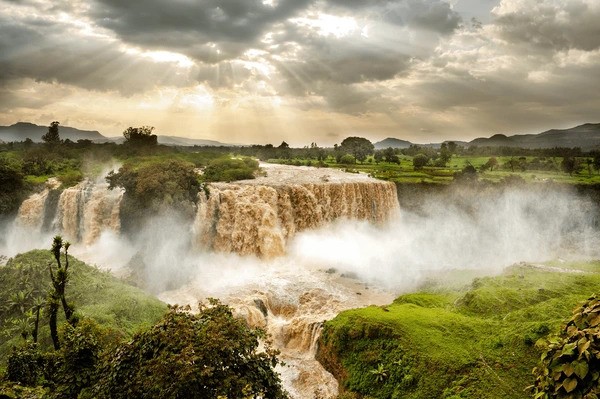
The seasonal floodwaters of the Blue Nile are currently flowing downstream toward Sudan and Egypt, with experts anticipating a rise in the water level of Lake Nasser in the coming days, according to Dr. Abbas Sharaky, a professor of water resources at Cairo University.
In a public statement shared via his official Facebook page, Dr. Sharaky highlighted recent developments in the Nile Basin, particularly in light of continued rainfall in Ethiopia and the substantial water accumulation at the Grand Ethiopian Renaissance Dam (GERD). “The reservoir behind the Renaissance Dam is now holding approximately 64 billion cubic meters of water, and we are still only midway through the flood season,” he noted, adding that average daily inflow at the dam currently stands at around 400 million cubic meters.
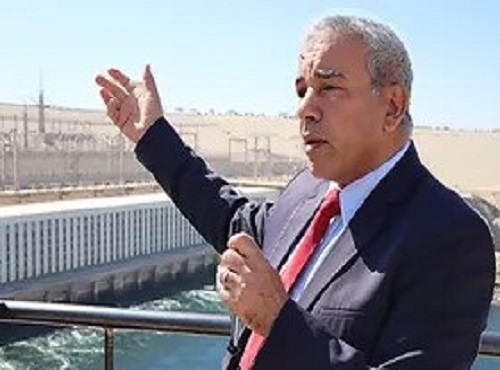
Sharaky outlined the three primary channels through which floodwaters are currently passing through the GERD: the power-generating turbines, of which there are 13; the gated spillways, numbering eight; and the ungated upper spillway, which allows water to overflow freely when necessary.
Due to relatively low rainfall during the first half of the season, Ethiopia recently opened the upper spillway gates for two days without operating the turbines to relieve pressure and release a portion of the stored water. This measure allowed the discharge of excess water without generating electricity.
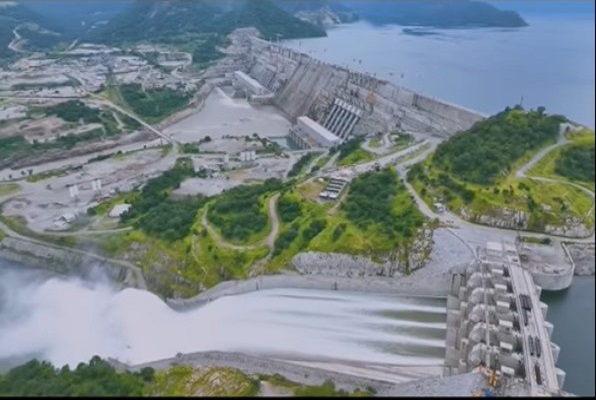
“The current inflow ranges between 300 and 400 million cubic meters per day,” Sharaky explained, “and this volume must be discharged even if the turbines are not operational.”
The released water is now making its way toward Sudan, where part of it has been temporarily retained at the Roseires Dam reservoir. However, the bulk of the floodwaters continues to flow northward toward Egypt, where a noticeable increase in the water level of Lake Nasser is expected this week.
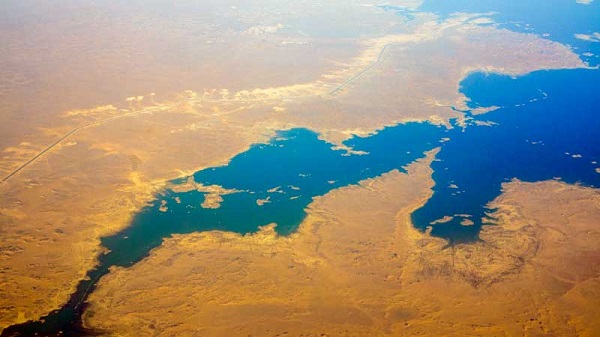
Lake Nasser, a vast reservoir behind Egypt’s Aswan High Dam, plays a crucial role in the country’s water security and irrigation planning. An increase in its level during the annual flood season is typically a welcome development, particularly in years of water stress or irregular rainfall upstream.
Sharaky’s observations come amid heightened regional sensitivity surrounding the GERD, which remains a point of contention between Egypt, Sudan, and Ethiopia. Cairo has repeatedly voiced concerns about unilateral actions taken by Addis Ababa in operating the dam, especially regarding water release schedules and long-term impacts on downstream water availability.
Despite the political tensions, the current seasonal flood appears to be unfolding within expected hydrological patterns, with no immediate threats reported to infrastructure or agricultural areas in Egypt. However, water experts are closely monitoring inflow rates and precipitation trends upstream, particularly in Ethiopia’s highlands, which serve as the primary source of the Blue Nile.
As the rainy season progresses, Egyptian authorities are expected to continue tracking the flow of water at key points along the river, coordinating reservoir management at Lake Nasser, and issuing updates to agricultural and water management stakeholders across the country.
