

Ahmed Kamel – Egypt Daily News
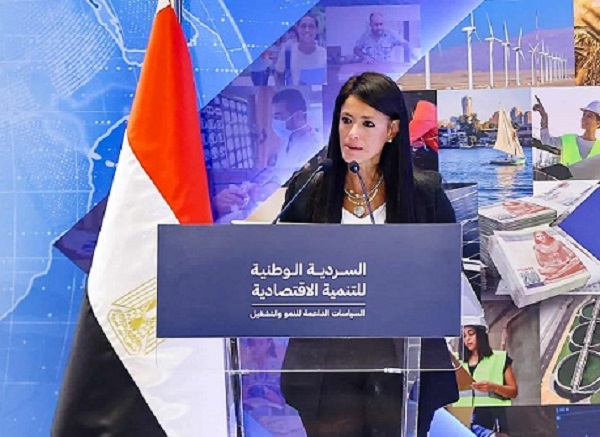
In a landmark shift signaling Egypt’s intention to chart its own course beyond reliance on international lending programs, the Egyptian government has officially unveiled its economic strategy for the next five years. The new vision, announced during a press conference in the New Administrative Capital attended by the entire cabinet, sets out sweeping reforms and development goals under the banner: “The National Narrative for Economic Development: Growth- and Employment-Supporting Policies.”
The plan coincides with Egypt’s decision not to pursue a new agreement with the International Monetary Fund (IMF) after the current program expires in October 2026. The government aims to establish economic self-reliance while continuing reforms to spur private sector growth, reduce public debt, and significantly boost exports and employment.
Growth Targets and Long-Term Vision
At the heart of the new strategy is an ambitious goal: raising Egypt’s GDP growth rate to 7% by 2030, up from the current fiscal year’s target of 4.5%. Prime Minister Mostafa Madbouly emphasized that the plan extends beyond the IMF framework, forming part of a broader vision that stretches to 2050 to ensure sustainable development.
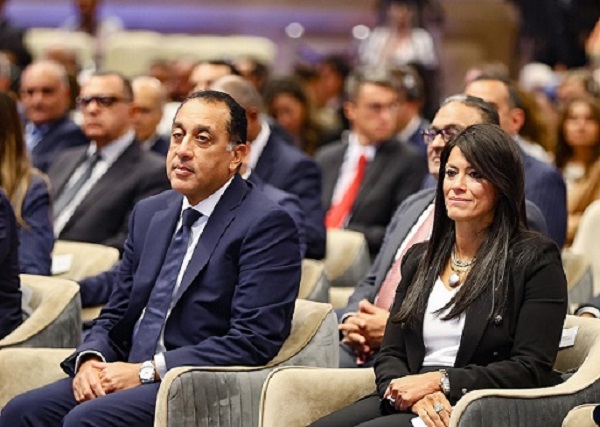
“Egypt has laid out a roadmap that is not just a response to current economic conditions, but a forward-looking vision rooted in structural reform,” Madbouly stated during the launch event. “This is a national economic narrative that reflects our priorities, challenges, and aspirations.”
The government is expected to release full details of the plan including three potential policy scenarios next week for a two-month public consultation period before finalization at year-end.
Key Objectives of the Economic Vision
The strategy outlines several critical policy targets aimed at economic transformation:
- Boosting total investment to 18% of GDP by 2030, up from 15.2% in the current fiscal year.
- Raising the share of private investment in total investment to 66%, and in GDP to 11.9%, up from 60% and 9.1%, respectively.
- Increasing the contribution of the private sector to GDP to 82% by 2030.
- Expanding green investments to 75% of public investment by 2030, compared to 50% currently.
- Generating 1.5 million jobs annually by 2030, up from 900,000 expected in 2025.
- Growing exports from $62.8 billion in 2024 to $145 billion within five years.
Fiscal Consolidation and Debt Reduction
Reducing Egypt’s public debt remains a central pillar of the new strategy. According to Finance Minister Ahmed Kouchouk, the government will allocate at least 50% of revenues from its state-owned enterprise privatization program to debt reduction. Inflation management and increased spending on health and education will also be prioritized.
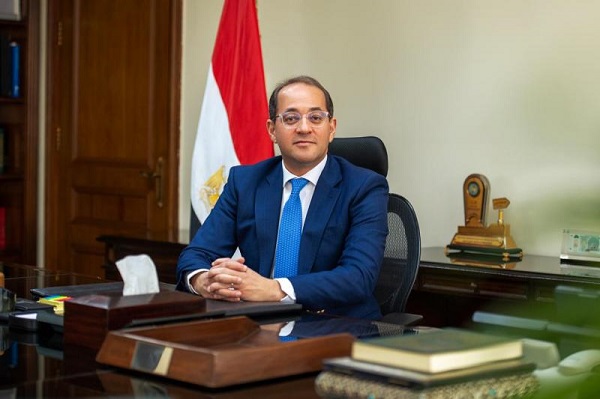
The government plans to launch a second package of tax reliefs in the coming weeks, focused on compliant businesses and individuals. A separate real estate tax relief initiative is also in the pipeline. Kouchouk revealed that voluntary tax collections under the first incentive program have already exceeded one billion EGP, attracting 650,000 new tax filings.
Private Sector as Growth Engine
After years of public sector dominance, Egypt’s new vision places the private sector at the forefront of economic growth. “The government was preparing the ground for private sector leadership, and now the time has come,” said Madbouly.
However, challenges remain. The non-oil private sector in Egypt has remained in contraction territory for six consecutive months due to subdued demand and reduced output, according to the latest S&P Global Purchasing Managers’ Index (PMI).
To ease burdens on businesses, Egypt will consolidate all licensing fees and charges into a single economic entities platform to be launched within two years. Only five government bodies covering investment, tourism, industrial development, communications, and urban planning will be authorized to collect fees and distribute them to relevant agencies.
Additionally, the average time for customs clearance has been reduced to 5.8 days, with a target of bringing it down to just two days by year-end.
Reviving Struggling Industry
Reindustrialization is also central to Egypt’s economic roadmap. Vice Prime Minister and Minister of Industry and Transport, Kamel El-Wazir, confirmed that the government has reactivated 1,235 stalled factories out of a total of 6,000 currently inactive. The government aims to increase the number of operational factories to 100,000 by 2030, up from 68,000 this year.
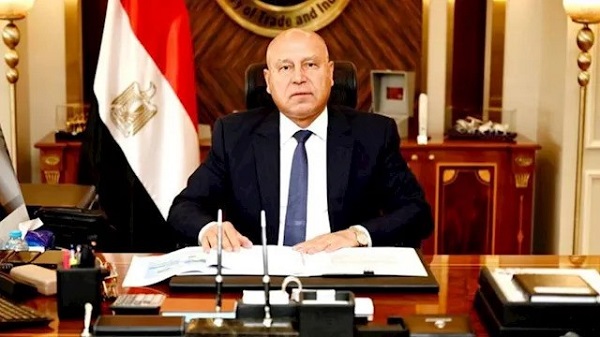
President Abdel Fattah El-Sisi recently approved a new initiative to support distressed factories through a dedicated fund, financed by Egyptian banks. The fund will acquire stakes in underperforming factories, assist in their turnaround, and allow owners to repurchase their shares once profitability is restored.
State Ownership Policy and Trade Deficit
Minister of Planning and Economic Development, Rania Al-Mashat, announced the development of a State Ownership Policy Index, a composite metric that will track the role of the state in the economy and guide decisions on whether to divest, restructure, or retain state-owned assets.

Meanwhile, Egypt is expected to record its lowest trade deficit in 15 years, according to Minister of Investment and Foreign Trade Hassan El-Khatib, thanks to fiscal and monetary reforms.
Outlook
Egypt’s new economic vision represents a bold step toward structural transformation and reduced dependence on international loans. With ambitious targets across investment, job creation, export growth, and fiscal discipline, the plan positions the private sector as the engine of long-term, inclusive development.
Still, the real test will be implementation and the government’s ability to build consensus during the upcoming public dialogue will be key in turning vision into reality.
