

Ahmed Kamel – Egypt Daily News
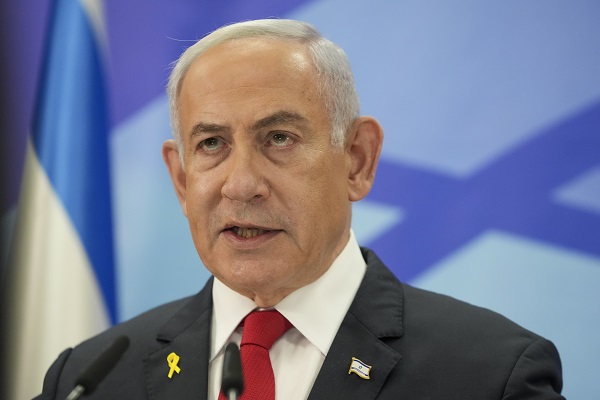
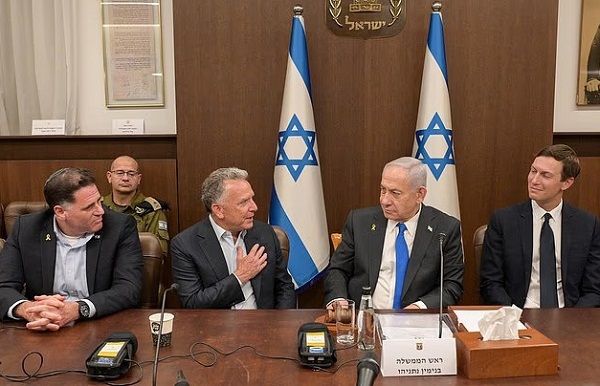
The Israeli cabinet approved the first part of a landmark agreement intended to end a brutal two‑year conflict in Gaza and secure the release of hostages held by Hamas, the office of Prime Minister Benjamin Netanyahu announced early on Friday local time. Under the terms disclosed by the prime minister’s office, a ceasefire is to take effect within 24 hours.
The deal described by Israeli officials as historic provides for the release of all living and deceased hostages, the phased freeing of Palestinian detainees and the withdrawal of Israeli forces from Gaza. As part of the arrangement, Israel will free 250 prisoners serving life sentences and 1,700 Palestinians who have been detained since the October 7, 2023, attacks. The agreement also stipulates that Hamas will lay down its arms, and that humanitarian assistance will be permitted into the battered enclave.
For ordinary Palestinians and Israelis, the accord promises an end to the intense fighting and an immediate easing of civilian suffering: Gaza has suffered heavy damage during the two years of hostilities, and international pressure has grown for a resolution that secures detainee exchanges and delivers sustained aid.
Domestically, however, the agreement exposed deep political fault lines inside Prime Minister Netanyahu’s governing coalition. Itamar Ben‑Gvir, Israel’s far‑right national security minister, issued a sharp public warning on the social platform X, saying his party would “bring down the government” unless Hamas is “dismantled.”
“In conversations held between the Prime Minister and me in recent days, I made clear that under no circumstances will I be part of a government that allows Hamas’s rule in Gaza to continue,” Ben‑Gvir wrote. “This is a clear red line. The Prime Minister has committed to me that this will be so.”
Ben‑Gvir added: “I told the Prime Minister, and I say to you as well, citizens of Israel: I will not be party to any deception. If Hamas’s rule is not dismantled, or if we are merely told that it has been dismantled while in fact it continues to exist under another guise Otzma Yehudit will bring down the government.” His statement underscored the tenuous balance within the coalition between hawkish elements demanding continued pressure on Hamas and factions pushing for a political solution that ends active combat and frees hostages.
Officials said the agreement envisions both immediate humanitarian relief and a security transition. Israeli forces are to withdraw from Gaza as part of the deal, and humanitarian corridors will be opened to allow food, medicine and other aid to reach civilians who have endured shortages and infrastructure collapse during the fighting. How those promises will be implemented, and which international or regional actors will be involved in monitoring compliance, was not detailed in the initial announcement.
The deal’s approval marks a crucial turning point in a conflict that has dominated the region for two years and prompted global calls for a negotiated end to hostilities. Yet the path ahead remains uncertain: domestic political opposition in Israel, questions about how Hamas’s capabilities and governance will be addressed, and the logistics of returning hostages and reintegrating released detainees all present significant challenges.
As details unfold, the immediate priorities will be the safe, verifiable exchange of hostages and the delivery of humanitarian aid to Gaza. The government’s commitment to withdraw troops and ensure that arms are surrendered will likely be the subject of intense scrutiny by both Israeli hardliners and international observers seeking durable guarantees that the truce will hold.
For now, the move to approve the first part of the pact has created a fragile opening for peace and relief — one that will test political resolve inside Israel and the willingness of regional and international actors to ensure the terms are implemented and civilian suffering is addressed.
