

Ahmed Kamel – Egypt Daily News
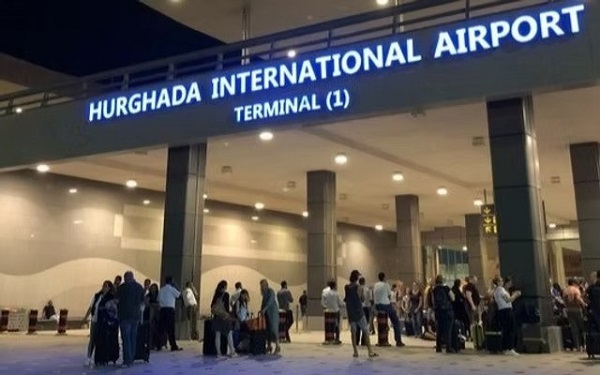
Egypt has launched an international tender inviting private companies to manage, operate and develop Hurghada International Airport, marking the first phase of an ambitious plan to bring private-sector expertise into the management of 11 state-owned airports while maintaining public ownership.
The Civil Aviation Ministry announced the move on Wednesday, describing it as a strategic partnership model designed to modernise airport operations, expand capacity and improve the passenger experience across the country’s aviation network. The initiative is being guided by the International Finance Corporation (IFC), which will serve as lead adviser for the nationwide airport partnership program.
Hurghada International Airport Egypt’s second-busiest and a vital gateway to the Red Sea tourism industry, has been selected as the pilot site. Civil Aviation Minister Sameh El-Hefny said the airport’s rapid growth and critical economic role made it the logical launch point for the new strategy. “Upgrading Hurghada is essential to improving operational efficiency and meeting rising passenger demand,” he said.
Egypt’s airports handled more than 50 million passengers through nearly 400,000 flights in 2024. Hurghada alone processed approximately 10.5 million passengers during the 2024–2025 fiscal year, a 22 percent increase compared to the previous year. Officials say the dramatic rise underscores the need for expanded capacity, improved service levels and modernised airport infrastructure.
The partnership model will eventually extend to 10 additional airports: Sphinx International, Sharm El Sheikh International, Alexandria International, Luxor International, Aswan International, Sohag International, Assiut, Abu Simbel, El Alamein and Marsa Matruh. Each facility will remain publicly owned but operated by strategically selected private partners.
By opening the aviation sector to private management, the government aims to attract investment, boost efficiency and ensure that Egypt’s airports can accommodate rising travel demand, particularly in the tourism-heavy Red Sea and Mediterranean regions. The Hurghada tender will serve as the blueprint for the broader transformation of the country’s airport network over the coming years.
