

Ahmed Kamel – Egypt Daily News
A new confrontation at sea has escalated tensions over Gaza after Israeli naval forces intercepted a large peaceful civilian flotilla in international waters, turning a humanitarian voyage into a high-stakes piracy and legal dispute across multiple countries.
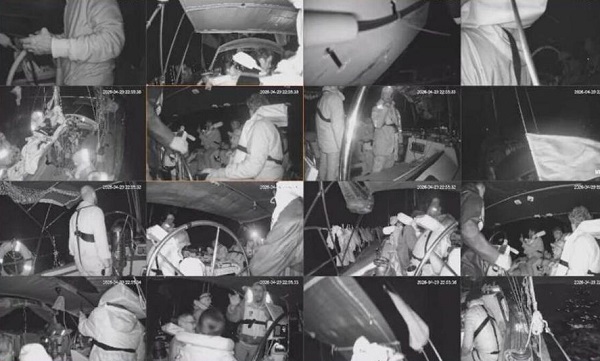
The convoy, carrying activists and humanitarian supplies toward Gaza, was stopped by Israeli forces far from the coast, in an operation that began overnight and unfolded hundreds of kilometers from Israeli territory. The flotilla reportedly consisted of dozens of vessels and hundreds of participants from several countries, all attempting to challenge the long-standing maritime blockade on Gaza.
Israel said the operation was necessary to enforce what it considers a legal naval blockade, issuing repeated warnings to the ships to change course. Naval units intercepted vessels one by one, ordering them to divert to Ashdod or return to departure points if they wished to offload aid through official channels.
But the timing and location of the operation immediately triggered a political backlash.
Turkey sharply condemned the interception, describing it as an act of piracy in international waters and calling for a unified international response. Italian officials also demanded the immediate release of their nationals, escalating pressure within Europe over the handling of the detained activists.
On the ground at sea, communications chaos added to the confusion. Flotilla organizers reported widespread signal interference, sudden loss of contact with several vessels, and boarding operations carried out without clear coordination. They described the incident as an unlawful seizure of civilian boats engaged in a humanitarian mission.
Israel, however, rejected that framing entirely. Officials accused the flotilla of being politically motivated and linked to hostile actors, arguing that the mission was designed to challenge security restrictions rather than deliver aid. The military said it was acting under direct orders to prevent what it called an illegal breach of the blockade.
The flotilla itself had grown over weeks, departing from multiple Mediterranean ports and gathering momentum as it sailed east. Its organizers framed the mission as a symbolic and practical attempt to open a civilian maritime corridor into Gaza, carrying food, medical supplies, and basic humanitarian goods.
The interception now risks becoming more than a maritime incident. With competing narratives of “humanitarian mission” versus “security provocation,” the event has rapidly turned into a diplomatic flashpoint involving Israel, Turkey, and several European states.
It also revives a deeply sensitive precedent: previous flotilla confrontations in the region that ended in violent clashes and long-standing international controversy. What happens next will depend less on the ships already stopped and more on how far the political fallout spreads beyond the Mediterranean.
