

Ahmed Kamel – Egypt Daily News
Egypt and Lebanon have signed a memorandum of understanding to supply Egyptian natural gas to Lebanon’s Deir Ammar power plant, marking a significant step toward easing Lebanon’s chronic electricity shortages and strengthening regional energy cooperation.
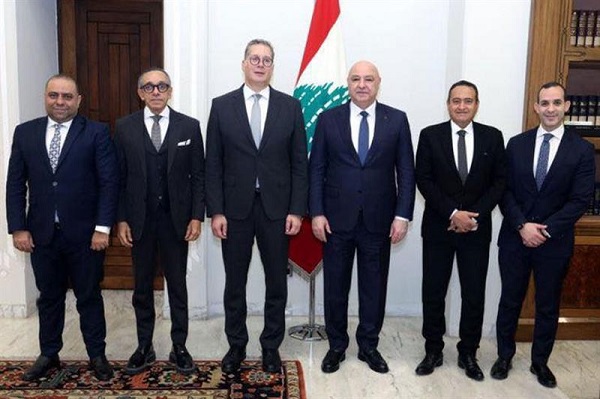
The agreement was finalized on December 29 during a ceremony at Lebanon’s government headquarters in Beirut. It was signed by Egyptian Minister of Petroleum and Mineral Resources Karim Badawi and Lebanese Minister of Energy and Water Joe Saddi, in the presence of Lebanese Prime Minister Nawaf Salam. According to a statement from Salam’s office, the MoU aims to meet Lebanon’s natural gas needs for electricity generation.
The deal follows a recent visit to Beirut by Egyptian Prime Minister Mostafa Madbouly and reflects Cairo’s broader strategy of positioning itself as a regional hub for natural gas trading. Egyptian officials have repeatedly said the country seeks a leading role in supporting energy security across the Arab world through increased gas production and exports.
Saddi said the agreement would allow Lebanon to import natural gas from Egypt once sufficient volumes become available. He described the move as part of Lebanon’s long-term energy strategy, which prioritizes transitioning power plants to natural gas and diversifying supply sources. However, he cautioned that implementation will take time, as existing pipelines require rehabilitation and technical upgrades.
Lebanon’s electricity sector has been under severe strain for years, with state power plants largely dependent on fuel oil and unable to meet national demand. The country relies heavily on private generators, which are costly and polluting. In April, Lebanon signed a $250 million agreement with the World Bank aimed at modernizing the electricity sector and improving governance, efficiency, and infrastructure.
The Deir Ammar power plant, located on the Mediterranean coast near Tripoli, began operations in 2002 and has a capacity of 465 megawatts. Like most of Lebanon’s thermal plants, it primarily runs on fuel oil, although it was designed to operate on natural gas. Lebanon also operates around a dozen small hydroelectric facilities, which contribute only a limited share of total electricity generation.
Lebanese President Joseph Aoun welcomed the MoU, describing it as a “practical and essential step” toward increasing national power generation capacity. Badawi, meanwhile, emphasized that energy and gas cooperation is a top priority for both countries. He said Egypt is fully committed to supporting Lebanon’s transition to gas-fired power generation, which would benefit both residential and industrial consumers.
Badawi added that joint working groups have been established between the Egyptian and Lebanese petroleum and energy ministries to coordinate technical cooperation and transfer Egyptian expertise in the natural gas sector. He also conveyed greetings from President Abdel Fattah al-Sisi to Lebanon’s leadership, expressing hopes for continued progress in the coming year.
The agreement comes amid growing regional gas activity involving Egypt. Earlier this month, Cairo received Israel’s approval for a major deal under which natural gas from Israel’s Leviathan field will be exported to Egypt. The $35 billion agreement, signed in August with US energy giant Chevron and Israeli partners, was described by Israeli Prime Minister Benjamin Netanyahu as Israel’s largest-ever natural gas export deal. The US State Department has praised the agreement as a boost to regional energy security and economic cooperation.
Taken together, these developments underscore Egypt’s expanding role as a regional energy hub and offer Lebanon a potential pathway toward more reliable and cleaner electricity generation. While technical and financial hurdles remain, officials on both sides framed the gas supply agreement as a foundation for deeper cooperation and a gradual recovery of Lebanon’s battered power sector.
