

Ahmed Kamel – Egypt Daily News
Egypt’s public finances showed a marked improvement in the first half of the current fiscal year, supported by a sharp rise in tax revenues that lifted the primary surplus and helped keep the overall budget deficit stable, according to a statement issued by the Ministry of Finance on Wednesday.
The ministry said the primary surplus rose to 1.8 percent of gross domestic product during the period from July to December 2025, equivalent to about EGP 383 billion, compared with 1.3 percent in the same period a year earlier. The primary surplus measures the gap between revenues and expenditures excluding debt servicing costs, and is a key indicator tracked by international lenders and investors.
At the same time, Egypt’s overall budget deficit remained broadly unchanged at around 4.1 percent of GDP during the first six months of the fiscal year, which runs from July 1 to June 30.
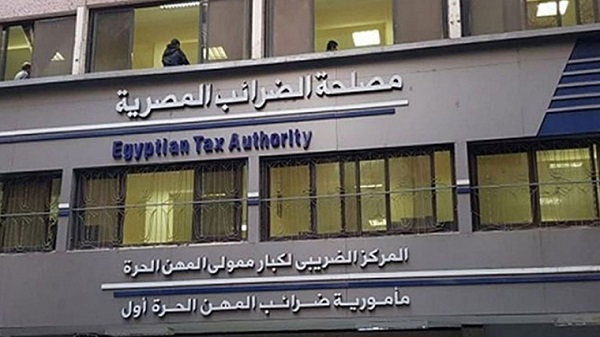
The improvement in the primary balance was driven largely by strong revenue growth that outpaced spending. Total budget revenues rose by more than 30 percent year-on-year in the first half of the fiscal year, exceeding the growth rate of expenditures and easing pressure on public finances. Tax revenues alone increased by more than 32 percent over the same period, reflecting stronger collection and the impact of ongoing fiscal reforms.
The Ministry of Finance said the faster pace of revenue growth played a direct role in strengthening the primary surplus and containing the budget deficit, despite continued pressures from high debt servicing costs and spending needs.
International institutions have pointed to similar trends in their recent assessments. The International Monetary Fund has praised Egypt’s fiscal performance in the 2024/2025 fiscal year, noting that the government achieved a primary surplus of about 3.5 percent of GDP. The IMF attributed this result to robust tax revenue growth of around 36 percent, driven by reforms aimed at broadening the tax base, improving voluntary compliance, and streamlining exemptions.
However, the Fund has also cautioned that Egypt’s tax-to-GDP ratio remains low by international standards. In its latest reviews of Egypt’s financing programs, concluded in December, the IMF said tax revenues accounted for about 12.2 percent of GDP, describing this level as “modest” and urging continued efforts to narrow the gap. The IMF also emphasized the importance of sustaining fiscal discipline to place total public debt on a firmly declining path.
The government has repeatedly said that improving tax collection and maintaining a primary surplus are central to its strategy for restoring fiscal sustainability, creating space for priority spending, and managing debt dynamics. Officials have indicated that further measures to enhance revenue mobilization and improve the efficiency of public spending are planned in the second half of the fiscal year, which typically sees stronger performance as tax filing season begins and additional state revenues are transferred to the budget.
The latest figures suggest that Egypt’s fiscal consolidation efforts are gaining traction, even as authorities balance reform commitments with the need to support economic growth and social stability in a challenging regional and global environment.
