

Ahmed Kamel – Egypt Daily News
Minneapolis faced renewed unrest over the weekend after the second fatal shooting of a U.S. citizen by federal agents this month, even as former President Donald Trump sought to project alignment with Minnesota Governor Tim Walz on restoring stability in the city.
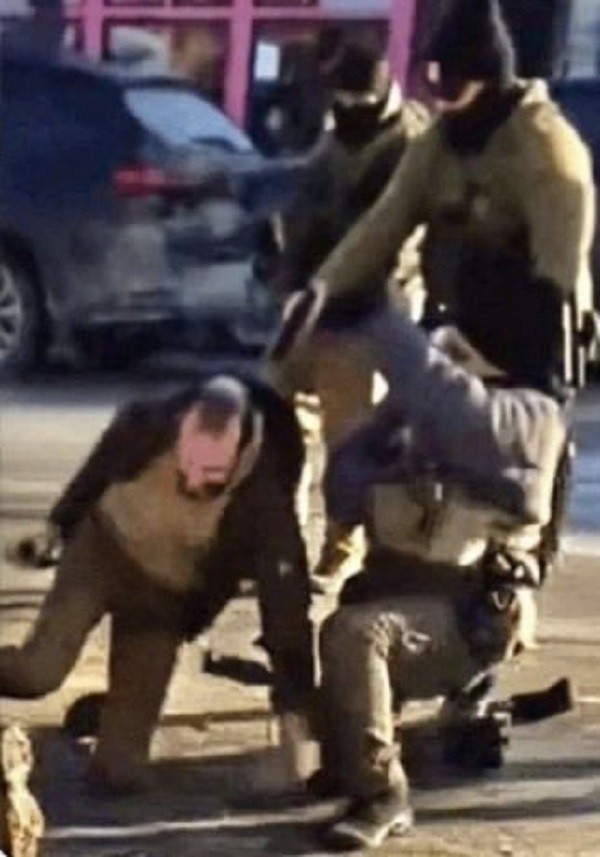
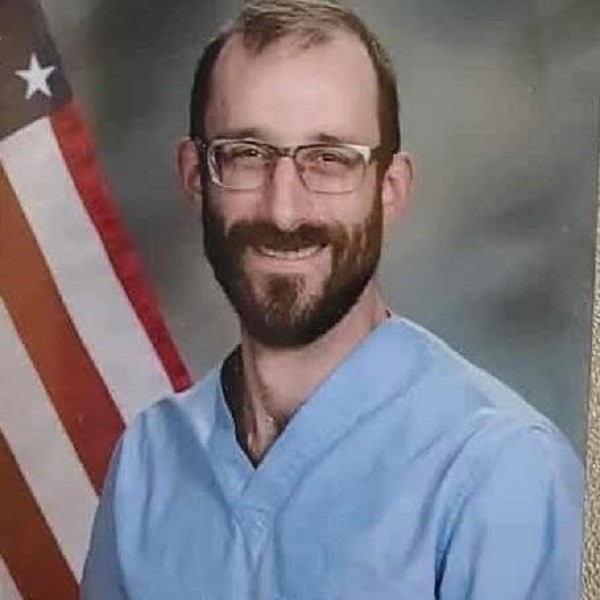
The latest incident occurred early Saturday morning, when Alex Pretti, a 37-year-old intensive care unit nurse, was shot and killed by a U.S. Customs and Border Protection agent. Pretti, who worked at a Veterans Affairs hospital, was licensed to carry a concealed firearm, according to Minneapolis police. His death followed the January 7 fatal shooting of Renee Good, a 37-year-old mother, also involving federal agents.
The two deaths have heightened tensions across Minneapolis, triggering protests and confrontations between demonstrators and law enforcement. Public anger has focused on the expanding federal security presence in the city, particularly under Operation Metro Surge, which has intensified immigration and security operations in recent weeks.
Federal officials have offered a sharply different account of Pretti’s actions than local authorities. Homeland Security Secretary Kristi Noem and Border Patrol Commander at Large Greg Bovino claimed that Pretti arrived at the scene intending to “inflict maximum damage,” with Noem labeling the incident an act of “domestic terrorism.” No evidence supporting those claims has been made public.
Local officials criticized the federal response, accusing Washington of prematurely shaping the narrative and undermining trust as investigations remain ongoing. A Department of Homeland Security official confirmed that Customs and Border Protection officers involved in the shooting were wearing body-worn cameras and that footage from multiple angles is under review.
The shootings have also become central to a legal battle between Minnesota and the federal government. During a court hearing on Monday, a Justice Department attorney described the state’s request to halt Operation Metro Surge as “staggering,” arguing that it would interfere with the president’s authority to enforce federal immigration law. U.S. District Judge Katherine Menendez questioned whether implementation difficulties alone justified denying the state’s request.
Political fallout from the violence continues to ripple. Chris Madel, a Republican candidate for governor, announced he was withdrawing from the race, citing what he called “national Republican-stated retribution” against Minnesotans. He sharply criticized ICE operations and described Operation Metro Surge as an “unmitigated disaster,” saying it had instilled fear among U.S. citizens as well as immigrant communities.
Against this backdrop, Trump said he and Governor Walz were on a “similar wavelength” regarding the need to restore order and address public safety concerns in Minneapolis. The comment appeared aimed at signaling bipartisan alignment, though it did little to ease tensions as protests continued and questions mounted over federal use of force.
As investigators review body-camera footage and courts weigh the future of federal operations in Minnesota, Minneapolis remains gripped by uncertainty. For many residents, the back-to-back fatal shootings have underscored unresolved concerns over accountability, federal authority, and the balance between security and civil liberties in a city already marked by years of strained relations between law enforcement and the public.
