

Ahmed Kamel – Egypt Daily News
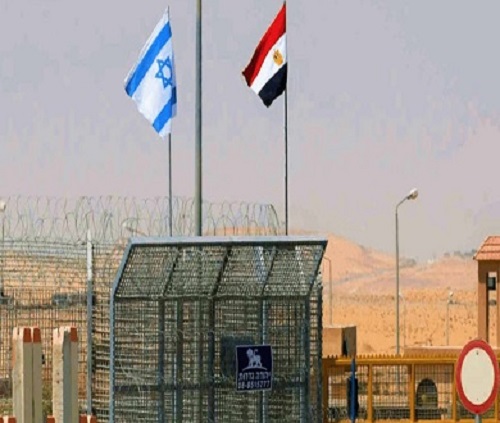
The office of Israeli Prime Minister Benjamin Netanyahu has denied reports of a dispute with Egypt over the operation of the Rafah border crossing, even as Israeli and regional media continue to cite unresolved disagreements between the two sides regarding the terms of its reopening.
In a statement to regional media outlets on Thursday, a spokesperson for Netanyahu’s office said that Israel and Egypt remain in coordination over Rafah and that discussions are focused on technical and procedural details rather than political disagreements. The spokesperson added that sufficient food and humanitarian aid is currently entering the Gaza Strip through existing channels.
The denial follows reports by Israel’s public broadcaster and other Israeli media citing officials familiar with the talks, who said negotiations with Egypt have encountered obstacles over the expected flow of people through the crossing once it reopens. According to those sources, Israel has pushed for a higher number of departures from Gaza than entries, while Egyptian authorities have insisted on parity, citing concerns that any imbalance could amount to indirect pressure on Palestinians to leave the territory permanently.
Egyptian officials have not issued detailed public comments on the matter, but diplomatic sources in Cairo have reiterated in recent weeks that Egypt opposes any steps that could be interpreted as facilitating mass displacement from Gaza. Egypt has repeatedly emphasized that Rafah is a humanitarian lifeline, not a channel for forced or incentivized migration.
The timing of the reopening also remains unclear. Some Israeli officials have suggested the crossing could resume operations as early as Sunday, while other estimates point to later in the week. Aid organizations operating in Gaza say the uncertainty is complicating logistical planning at a time when humanitarian needs are acute.
Rafah, Gaza’s only border crossing not directly controlled by Israel, has been largely closed or operating at minimal capacity for extended periods, sharply restricting the movement of people and goods. Hundreds of thousands of Palestinians have been displaced multiple times within the enclave, and international agencies warn that prolonged restrictions on crossings are exacerbating shortages of food, medicine, and fuel.
The dispute comes amid broader negotiations over the implementation of a phased ceasefire agreement brokered with U.S. involvement. Under the first phase, Israeli forces withdrew from parts of southern Gaza, while limited aid flows were increased. Discussions over subsequent phases remain sensitive and unresolved.
According to officials familiar with the talks, later stages of the plan envision the start of reconstruction efforts, particularly in southern Gaza, alongside demands for the disarmament of Hamas and further Israeli troop withdrawals. Hamas has publicly rejected calls to surrender its weapons, while Israel has said any long-term arrangement must address its security concerns.
International actors, including the United Nations and European governments, have urged Israel and Egypt to ensure that Rafah operates in a way that prioritizes civilian protection and humanitarian access. Aid groups stress that regardless of political negotiations, the immediate need is for predictable, sustained access through all available crossings.
As talks continue, the contrasting narratives official denials on one hand and reports of ongoing friction on the other, underscore the fragility of arrangements governing Gaza’s borders and the high stakes surrounding Rafah, a crossing that has become a focal point for humanitarian, political, and security concerns alike.
