

Ahmed Kamel – Egypt Daily News
Egypt’s Deputy Prime Minister for Industrial Development and Minister of Industry and Transport, Kamel El Wazir, has issued a strong warning to industrial investors holding allocated land, urging them to begin construction immediately and adhere strictly to approved implementation timelines or risk losing their plots.
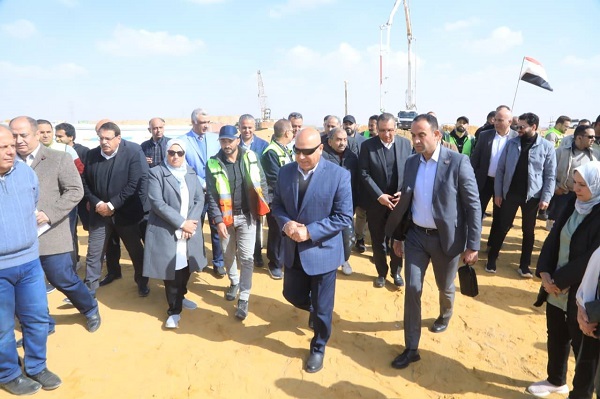
The warning came during an inspection tour of several factories in the Tenth of Ramadan City, one of Egypt’s largest industrial hubs. During the visit, El Wazir observed that a significant number of fully serviced industrial plots remain undeveloped, despite having been allocated to investors for extended periods.
The minister described the practice as unjustified “freezing” of industrial land, arguing that it undermines the state’s efforts to expand industrial capacity and achieve meaningful industrial development. He stressed that industrial land is a strategic national resource and should be used productively, not held for speculative purposes.
The Ministry of Industry emphasized that failure to commence construction in line with approved schedules will trigger firm measures, foremost among them the withdrawal of land from non-compliant investors. Reclaimed plots will be reallocated to serious investors capable of executing projects and bringing them into operation within the required timeframes.
Officials say the move is part of a broader government push to maximize the efficient use of industrial land, accelerate factory construction, and boost domestic production. By preventing land hoarding and ensuring faster project execution, the government aims to support sustainable industrial development, create jobs, and strengthen supply chains.
The ministry’s message signals a tougher regulatory stance toward investors who delay implementation without valid justification, reinforcing the state’s commitment to transforming industrial zones into active production centers rather than idle land banks.
