

Ahmed Kamel – Egypt Daily News
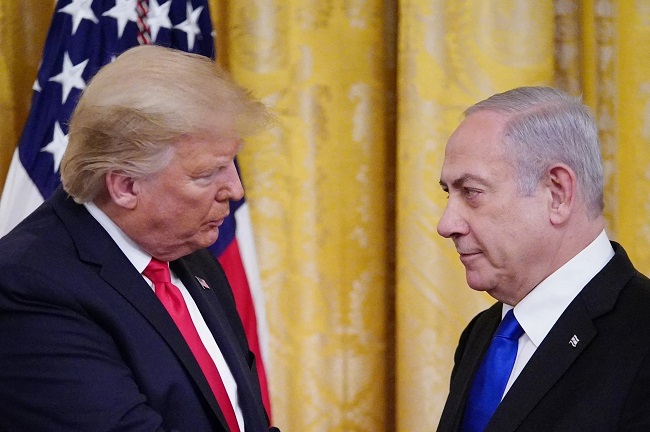
Israeli media outlets have reported that Prime Minister Benjamin Netanyahu returned from Washington without securing concrete commitments from U.S. President Donald Trump, particularly regarding efforts to halt ongoing negotiations with Iran or pursue military action.
According to Hebrew-language reports, Netanyahu’s meeting with Trump at the White House, which lasted nearly three hours, ended without a shift in Washington’s current approach. Trump reportedly reaffirmed that igniting a war with Iran is not the preferred option and that diplomatic negotiations with Tehran will continue.
The Israeli daily Haaretz wrote that Netanyahu emerged from the meeting “empty-handed,” as Trump later signaled publicly that the talks had produced no breakthrough and that U.S.-Iran negotiations remain on track. In a post issued shortly after the meeting, Trump suggested that while Netanyahu strongly advocated for safeguarding Israel’s security interests, he also sought to stop the diplomatic track with Iran, a move the American president declined to support.
The episode has been widely interpreted in Israel as a sign of Washington’s independent decision-making, even amid close strategic ties between the two allies. Observers noted that Netanyahu appeared unable to persuade Trump to authorize any form of military strike against Iran or to suspend the negotiation process.
Israeli analysts also pointed to regional diplomatic dynamics that may have influenced the outcome. Some believe that Arab mediation efforts led by Egypt, Qatar, Saudi Arabia, the United Arab Emirates, and Oman have helped contain escalation and shape Washington’s calculations regarding both Iran and the broader regional security environment. Reports suggested that a phone call between Qatar’s Emir, Sheikh Tamim bin Hamad Al Thani, and Trump ahead of the White House meeting may have contributed to the U.S. president’s decision to maintain the diplomatic course.
In subsequent remarks, Trump reiterated his preference for reaching an agreement with Tehran, while emphasizing what he described as ongoing progress in the Middle East, including developments related to Gaza. He also sent a pointed message to Iran, stating that previous rounds of talks had not delivered favorable outcomes for Tehran and expressing hope that Iranian leaders would adopt a more “rational and responsible” approach in the current negotiations.
For his part, Netanyahu conveyed that any potential agreement with Iran must be permanent and effective, ensuring that Tehran is permanently barred from developing nuclear weapons. Israeli officials have long warned that a limited or interim deal could leave Israel exposed to continued threats, including from Iran’s missile program and its regional allies.
However, Israeli public broadcaster Kan reported that Netanyahu’s attempts to underscore the urgency of the Iranian missile threat did not alter Trump’s stance. Despite the length of the meeting, the discussions yielded no policy shift, with the U.S. president maintaining that negotiations should continue with the goal of reaching a deal.
Some Israeli officials expressed skepticism about Tehran’s intentions, arguing that Iran may be seeking to “buy time” through prolonged talks. They suggested that the prospects for a comprehensive agreement remain uncertain. Nevertheless, U.S. Ambassador to Israel Mike Huckabee reportedly affirmed that discussions with Iran would proceed and that there had been “real progress” in broader peace-related efforts championed by Trump.
The outcome of the meeting reflects the delicate balance between deterrence and diplomacy currently shaping U.S. policy. While Trump has not ruled out military options, Israeli media characterized his threats as primarily a tool of pressure rather than a prelude to imminent action.
For Netanyahu, the visit appears to have underscored the limits of influence, even within one of Israel’s closest alliances. As negotiations between Washington and Tehran continue, the strategic gap between Jerusalem’s preference for maximum pressure and Washington’s stated preference for diplomacy may remain a defining feature of the next phase of regional politics.
