

Ahmed Kamel – Egypt Daily News
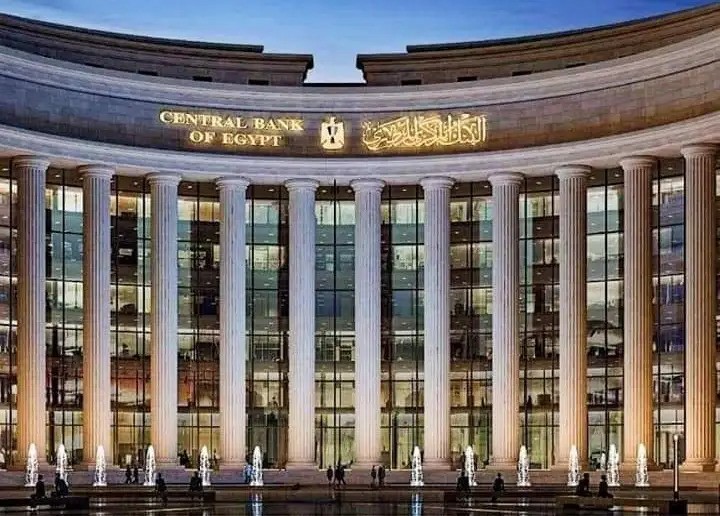
Egypt’s battle against inflation may finally be entering a calmer phase after new data released by the Central Bank of Egypt showed a further slowdown in annual core inflation during April 2026, offering cautious optimism for consumers, businesses, and policymakers after months of relentless price pressure.
According to the latest figures, annual core inflation one of the most closely watched indicators of underlying price movements in the economy, eased to 13.8% in April, down slightly from 14% recorded in March.
While the decline appears modest on paper, it carries major significance for financial markets and economic planners who have spent the past two years confronting one of Egypt’s toughest inflationary waves in decades.
The slowdown also reinforces growing expectations that price shocks driven by currency weakness, import costs, and global supply disruptions may gradually be losing momentum.
The Central Bank stated that the monthly change in the core Consumer Price Index, which excludes highly volatile items and is prepared by the bank itself, recorded 1.1% in April 2026. That figure marked a slowdown compared to the 2% monthly increase registered in March, while also coming slightly below the 1.2% increase recorded during the same month last year.
The broader inflation picture showed similar movement.
According to data announced by Egypt’s Central Agency for Public Mobilization and Statistics, monthly urban consumer inflation also slowed sharply to 1.1% in April compared to 3.2% in March.
On an annual basis, urban headline inflation declined to 14.9% in April from 15.2% the previous month.
The figures suggest that the aggressive monetary tightening measures implemented by Egyptian authorities over recent years may finally be producing measurable effects across the economy.
Since the onset of Egypt’s economic turbulence and currency pressures, the Central Bank has relied heavily on interest rate hikes and monetary controls in an effort to absorb inflationary shocks and stabilize markets.
At the same time, Egyptian consumers have endured painful increases in the prices of food, transportation, energy, housing, healthcare, and imported goods, with inflation becoming one of the most politically and economically sensitive issues in the country.
Although the latest numbers indicate improvement, inflation in Egypt still remains elevated by historical standards, meaning the pressure on household budgets is far from over. For millions of Egyptians, daily life continues to be shaped by rising living costs despite the gradual slowdown in inflation growth rates.
Economists will now closely watch whether the downward trend continues in the coming months, particularly as Egypt navigates fuel price adjustments, global commodity fluctuations, and ongoing economic reforms linked to international financing agreements.
The latest data may also influence future decisions by the Central Bank regarding interest rates, especially as investors and businesses search for signals about the next phase of Egypt’s monetary policy.
For now, the April figures offer something Egypt’s economy has not seen consistently in a long time: evidence that the pace of inflation may finally be starting to cool.
