

Ahmed Kamel – Egypt Daily News
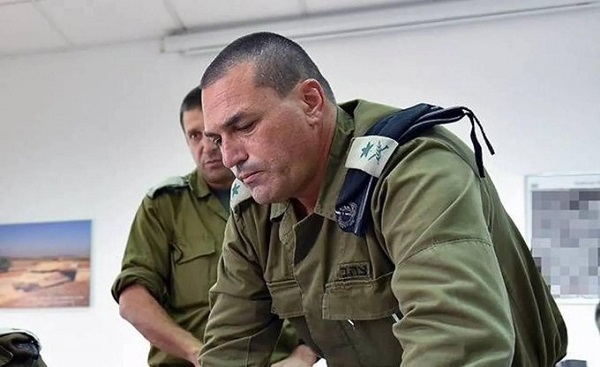
Israel’s Chief of Staff Eyal Zamir has issued a fresh and alarming warning over what he described as a growing risk of collapse inside the Israeli military reserve system, stressing that the army urgently needs thousands of additional soldiers to sustain its ongoing multi-front conflicts.
Speaking during a tense session before the Knesset Foreign Affairs and Defense Committee on Sunday, Zamir warned lawmakers that the Israeli military is approaching a dangerous breaking point as reserve forces continue to shoulder the burden of prolonged regional warfare.
“I am not dealing with political or legislative battles. I am dealing with multi-front combat and defeating the enemy,” Zamir told committee members. “To continue doing that, the Israeli army must receive more soldiers immediately.”
The unusually blunt remarks came amid intensifying political disputes inside Israel over military conscription laws, reserve service extensions, and controversial proposals to exempt tens of thousands of ultra-Orthodox Jews, known as Haredim, from mandatory military service.
Zamir reportedly refused to answer direct questions regarding the government-backed legislation currently moving through parliament, attempting to distance the military leadership from the escalating political confrontation surrounding the issue.
The debate inside the committee quickly exposed deep divisions within Israel’s political and military establishment as lawmakers pressed army officials over manpower shortages, combat fatigue, and controversial integration programs within combat units.
Member of Knesset Ohad Tal criticized the military’s pilot program aimed at integrating female soldiers into armored corps combat units and questioned why army leadership had refused to meet with religious rabbis opposing the initiative.
Zamir responded sharply, saying the military was attempting to integrate all sectors of Israeli society without allowing political agendas to dictate army operations.
“We cannot enter political discourse, and not everyone can impose conditions on the Israeli army,” he said.
Meanwhile, Brigadier General Shay Tayeb, head of planning and manpower management in the Israeli military, warned that shortening mandatory military service to two and a half years beginning in January would deprive the army of thousands of combat soldiers.
He added that reserve forces would then be forced to continue serving between 80 and 100 days annually under the current operational pressure, a pace military officials say is unsustainable.
According to participants in the session, Zamir reiterated his stark warning that Israel’s reserve system could eventually “collapse” if immediate legislative and structural changes are not implemented.
The latest warning triggered fierce political reactions inside Israel.
Gadi Eisenkot accused the Israeli political leadership of ignoring repeated military warnings while prioritizing political survival over national security.
“The political leadership that brought us to October 7 is receiving yet another warning,” Eisenkot said. “A government that refuses universal conscription during a decisive moment for Israel does not deserve to remain in power another day.”
The comments reflect growing tensions inside Israel following months of military strain caused by the ongoing regional war, continued operations across multiple fronts, and mounting casualties among reserve forces.
The manpower crisis has become one of the most politically explosive issues in Israel since the outbreak of war, particularly due to long-standing disputes over exemptions granted to ultra-Orthodox communities.
Back in March, during the height of the war with Iran, Zamir reportedly warned the Israeli cabinet that “the Israeli army will collapse on itself” if the government failed to pass legislation expanding military recruitment, extending reserve service, and increasing mandatory service to 36 months.
At the time, Israeli military spokesperson Brigadier General Effie Defrin revealed that the army urgently needed around 15,000 additional troops, including between 7,000 and 8,000 combat soldiers.
Israeli military officials have since repeated those warnings in multiple closed-door parliamentary sessions, describing the shortage of fighters and combat-support personnel as “critical” to the country’s military readiness.
Despite the escalating crisis, members of Prime Minister Benjamin Netanyahu’s coalition continue pushing legislation that would simultaneously extend military service while preserving exemptions for large segments of the ultra-Orthodox population, a move that has fueled public anger and intensified pressure on the Israeli government as the war drags on.
