

Ahmed Kamel – Egypt Daily News
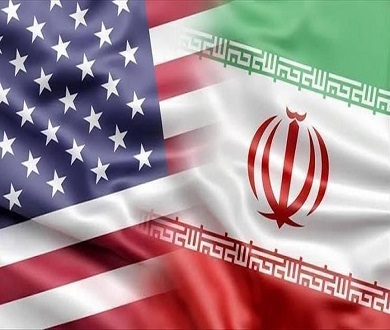
After months of military escalation, backchannel diplomacy between Washington and Tehran appears to have produced the first serious opening toward de-escalation, with US and Iranian negotiators reportedly reaching a preliminary understanding to prolong the current ceasefire and relaunch talks over Iran’s nuclear program.
The proposed arrangement, which still awaits final approval from President Donald Trump, would extend the fragile truce for another 60 days while both sides attempt to negotiate a broader framework aimed at easing tensions across the Gulf. The talks come at a critical moment, as repeated military exchanges in recent days have exposed how unstable the ceasefire remains despite public claims from both governments that diplomacy is progressing.
According to US officials familiar with the negotiations, the draft understanding centers heavily on the future of the Strait of Hormuz, the narrow maritime corridor that has become the economic pressure point of the conflict. Since Iran moved to effectively restrict passage through the strait earlier this year, global energy markets have faced severe disruption, with oil prices surging amid fears that the world’s most important shipping route for crude exports could remain partially blocked indefinitely.
Under the tentative proposal, Iran would be expected to dismantle naval obstacles and clear mines from the waterway within a month while ending restrictions and toll systems imposed on commercial vessels crossing the Gulf. Maritime traffic through Hormuz has fallen dramatically since the conflict intensified, with shipping companies rerouting cargo and insurers raising costs for vessels entering the region.
In exchange, Washington would gradually loosen the naval pressure campaign that has isolated Iranian ports and severely restricted Tehran’s oil revenues. The proposed sanctions relief could provide Iran with a badly needed economic lifeline after months of financial strain caused by the war and tightened Western restrictions targeting its energy sector.
The diplomatic push comes despite renewed military tensions only hours before reports of the agreement surfaced. Kuwait announced that its air defenses intercepted missiles and drones overnight following another round of exchanges linked to Iranian retaliation for recent US operations near the Strait of Hormuz. American officials accused Tehran of breaching the ceasefire, while Iranian media portrayed the strikes as a direct response to US attacks on military infrastructure near Bandar Abbas.
While negotiators appear to have found common ground on maritime security and economic measures, the issue of Iran’s nuclear material remains unresolved and is expected to dominate the next phase of negotiations. Tehran currently possesses a large stockpile of uranium enriched to levels close to weapons-grade purity, a development that Western governments view as one of the most dangerous dimensions of the crisis.
International inspectors estimate Iran holds hundreds of kilograms of uranium enriched up to 60%, technically placing the country within reach of weapons-grade capability should enrichment continue further. Much of that material is believed to be stored underground at fortified nuclear facilities damaged during earlier American airstrikes.
Diplomatic discussions have reportedly explored several options for handling the uranium stockpile, including transferring it to a third country such as Russia or China. However, Trump has publicly expressed reservations about allowing either power to take control of the material, reflecting broader geopolitical tensions surrounding the negotiations.
Despite the uncertainty, the emerging proposal signals that both Washington and Tehran may be searching for a temporary exit from a confrontation that has destabilized the Middle East, strained global energy supplies and raised fears of a wider regional war. Whether the ceasefire survives long enough for those negotiations to succeed now depends largely on whether both sides can prevent another military flare-up from collapsing the fragile diplomatic process entirely.
