

Ahmed Kamel – Egypt Daily News
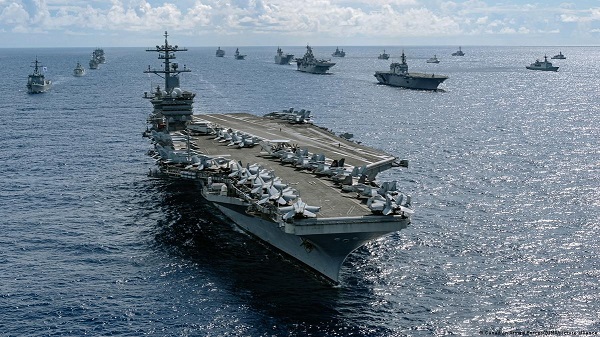
The United States military will officially commence a comprehensive naval blockade encompassing all sovereign Iranian maritime ports later this evening. United States Central Command Spokesperson Tim Hawkins confirmed to The New York Times on Monday that naval strike groups are actively finalizing the tactical deployment coordinates to isolate the coastline.
The immediate military deployment materializes hours after United States President Donald Trump announced the total reinstatement of the naval embargo across his social media networks. The extreme measures follow an outbreak of heavy battlefield hostilities that effectively shattered the fragile bilateral ceasefire agreement enacted between Washington and Tehran.
Sovereign Regulatory Decrees Impose Comprehensive Cargo Tariffs on Strategic Middle East Shipping
The current executive approach clarifies that the blockade framework is designed to target the movement of vessels and proxies associated with Iran. Under these stated guidelines, international commercial fleets from other nations would supposedly retain access to the Strait of Hormuz.
The announcement includes the implementation of a twenty percent tariff on commodities transported through the waterway. The administration stated that the United States would assume a protective role over the strait to manage the regional corridor.
The reimposition of these restrictions represents a shift from previous diplomatic efforts. Earlier agreements had led to a temporary lifting of maritime restrictions following discussions regarding navigation access.
The president cited frustration with the negotiation process during weekend sessions. Reports indicated that while an initial framework appeared settled after lengthy discussions, subsequent requests for modifications to the agreement led to a stall in diplomatic progress.
The proposed twenty percent shipping fee is intended to offset the operational costs associated with the naval presence in the region. These developments suggest potential impacts on international maritime logistics as policies are implemented to monitor the transit zone.
