

Ahmed Kamel – Egypt Daily News
As Washington and Tehran edge closer to a critical deadline, Egypt is stepping in forcefully positioning itself as a stabilizing actor while warning against a slide toward open conflict.
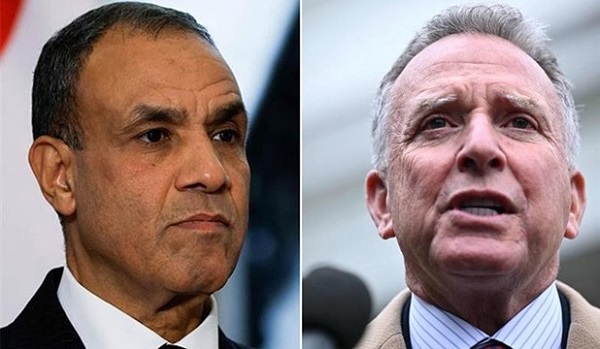
Egypt’s Foreign Minister Badr Abdelatty held a direct call Friday with U.S. Middle East envoy Steve Witkoff, zeroing in on the increasingly fragile U.S.–Iran negotiation track and the broader regional fallout.
The timing is not accidental. The call comes as a revised Iranian proposal circulates through backchannels, and as pressure mounts on both Washington and Tehran to either strike a deal or brace for escalation.
According to the Egyptian readout, Abdelatty did not hedge. He pushed for an immediate intensification of diplomatic efforts, warning against what he framed as a dangerous drift toward war. The message was clear: negotiations are not optional, they are the last viable barrier against a wider regional breakdown.
But beneath the formal language lies a sharper reality.
Egypt is signaling concern that the negotiation process is being overtaken by events—rising tensions, hardened rhetoric, and shrinking timelines. By emphasizing the need to “adhere to a negotiation-based approach,” Cairo is effectively pushing back against any shift toward coercive escalation.
The minister also underscored the urgency of securing a ceasefire and ending the war altogether, language that suggests Egypt sees the current trajectory as unsustainable, not just tense.
For his part, Witkoff acknowledged Egypt’s role, describing it as central to de-escalation efforts and expressing interest in continued coordination. The praise is diplomatic, but also revealing. Washington is leaning on regional actors like Cairo to help contain a crisis it has not yet managed to resolve.
What this call ultimately reflects is not progress, but pressure.
Egypt is moving to assert influence before decisions are made elsewhere. The United States is keeping channels open while maintaining leverage. And the negotiations themselves remain suspended between urgency and uncertainty.
If the current diplomatic push fails, the consequences will not be confined to Washington and Tehran. They will ripple across a region already on edge and Egypt is making it clear it intends to be part of the equation, not a bystander.
