

Ahmed Kamel – Egypt Daily News
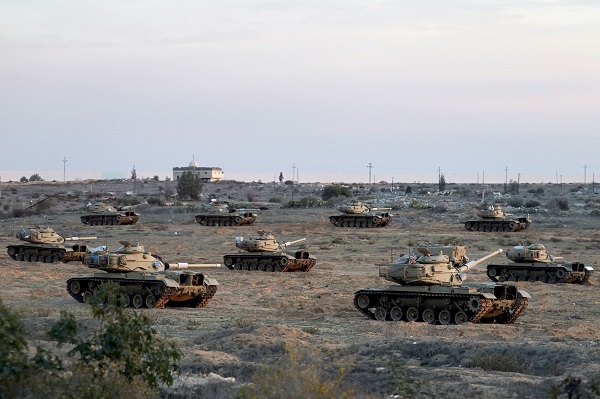
Israeli media have reported growing concern in Tel Aviv after the Egyptian army launched military exercises extremely close to the border, with some drills taking place just 100 meters from the frontier separating Egypt and Israel.
According to reports in Israeli outlets, the exercises reportedly involving live ammunition, are being conducted from the 26-30th April along the western side of the border, triggering unease among Israeli military officials and residents of nearby settlements.
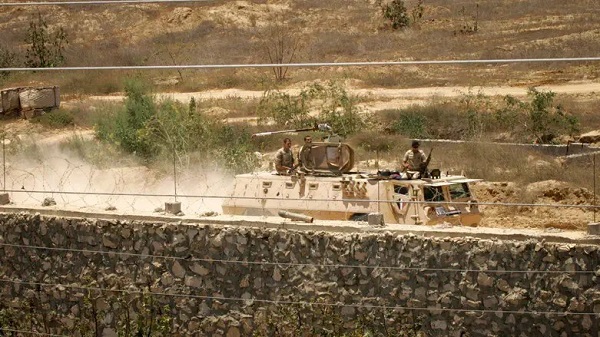
The reports say local security coordinators in Israeli communities near the southern Gaza envelope were notified by the army about the drills, which are scheduled to run daily from early morning until evening. The proximity of the exercises to the border fence has been described as unusual, prompting heightened alertness in the area.
Israeli outlet Walla cited concerns that the scale and location of the drills resemble pre-attack patterns seen before the October 7 attacks, raising questions within Israeli security circles about preparedness for any sudden escalation.
Residents in border communities, including areas near Nahal Oz, reportedly expressed anxiety, with some pointing to recent security incidents and ongoing tensions in Gaza Strip as amplifying fears. Israeli reports also referenced previous sightings of unusual movements near the border in recent months, which at the time were attributed to local civilian activity.

A forum representing residents of border communities issued a statement criticizing what it described as a dangerous precedent, arguing that conducting military drills so close to the fence creates unnecessary risk and psychological pressure on civilians still affected by past attacks.
Despite the alarm reflected in Israeli media, analysts note that military exercises near borders are not uncommon, particularly in regions with longstanding security sensitivities. Egypt and Israel have maintained a peace agreement since 1979, but coordination between the two sides remains structured and cautious.
Egyptian analyst Mahmoud Mohi said the current Israeli concerns reflect deeper historical and political dynamics rather than immediate indications of escalation. He noted that while the peace treaty formally ended hostilities, mutual trust remains limited and heavily tied to official coordination channels.
He added that Israel tends to view any unusual military movement near its borders through a lens shaped by past intelligence failures and regional instability, particularly following the October 2023 attacks, which exposed gaps in early warning systems.
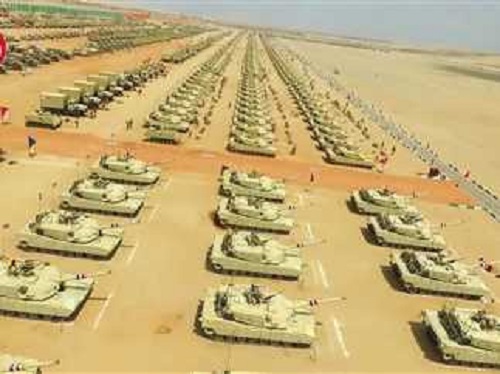
At the same time, Egypt’s military posture especially after years of counterterrorism operations in Sinai—has increased in visibility and scale, contributing to heightened sensitivity on the Israeli side.
For now, there has been no official indication of tension or confrontation between Cairo and Tel Aviv, but the reaction highlights how even routine military activity can quickly take on broader geopolitical significance in a region still shaped by conflict and fragile security balances.
