

Egypt Daily News – Cairo woke up to an unusual scene this week as banks, telecom branches, and businesses in downtown ground to a halt following a massive fire at Ramses Central Exchange that severely disrupted internet and communications networks across the city.
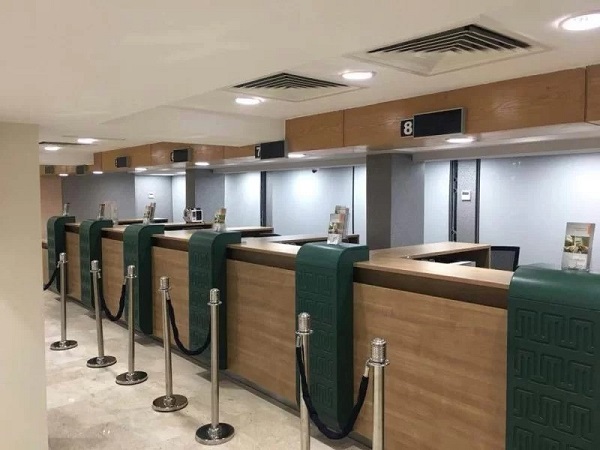
In front of several branches of the National Bank of Egypt (NBE), employees stood idle, glued to their phones with no response from their systems. Inside, bank operations were paralyzed, unable to carry out basic services like withdrawals, deposits, transfers, or any digital transactions reliant on the now-compromised network.
Long queues formed outside, where frustrated customers waited in vain. Elderly pensioners, employees needing urgent withdrawals, and others with pressing needs voiced a shared concern: “The system is down.”
“I’ve been here since morning just to withdraw part of my salary. Still waiting. No cash, no inquiries, not even customer service is responding,” said one visibly exhausted man.
A woman in her forties said, “I need to buy essential medication today. The only money I have is on my card, and I don’t know what to do.”
Outside ATMs, crowds stood staring at blank screens. “It’s like worshiping a statue,” one man joked sarcastically. “The cash is right there, but the system’s down.” He pointed to the queue behind him, adding, “No one wants to use another bank’s ATM because of the extra fees. This is absurd.”
Inside one of the NBE branches, a bank employee tried to calm anxious clients. “This issue is beyond our control. The outage at Ramses Central Exchange disrupted network connectivity across all branches,” he explained, noting that they had no clear timeline for restoring service.
Meanwhile, Vodafone branches in downtown Cairo saw an unprecedented rush of customers, many from banks, media outlets, and companies affected by the outage looking to buy mobile data SIM cards or wireless routers in a desperate bid to reconnect to the digital world.
“The demand has been overwhelming since early morning,” said an employee at one Vodafone store. “Most people coming in are from institutions relying heavily on the internet. Since yesterday, digital wallets, apps, money transfers, even Visa payments have stopped working. People have been forced to rely on cash again.”
The disruption triggered a surge in demand for alternative connectivity solutions. While Vodafone stores were packed, Etisalat branches reported a noticeable decline in traffic.
Hossam Abdelhamid, an employee at a delivery company, described the impact: “All my work depends on internet and calls. Since yesterday, I haven’t been able to reach customers or use our app. I had to come buy a temporary SIM with data just to stay in business.”
Iman Saeed said the outage left her cut off from her husband abroad. “Since yesterday, I haven’t been able to contact him. No internet, no calls. We’ve become so dependent on connectivity, it’s like life just paused.”
Walid Hassan, who works with clients overseas, was blunt in his criticism. “I came to buy a new SIM with data. My work has been at a standstill since yesterday. This is a disaster. There has to be a better contingency plan for people who rely entirely on the internet.”
As the city continues to feel the effects of the digital breakdown, there’s mounting pressure on service providers and government institutions to restore connectivity and implement more robust backup systems before another ordinary day turns into digital chaos.
