

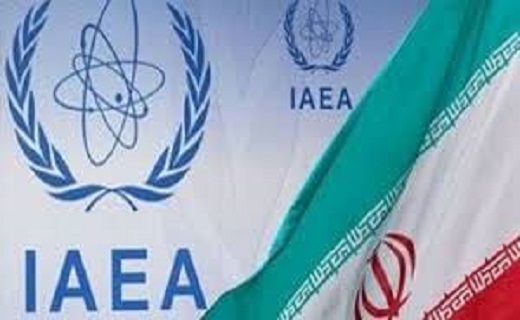
Egypt Daily News – Iran has reaffirmed its willingness to cooperate with the International Atomic Energy Agency (IAEA), but with a stark warning: future inspections, particularly of nuclear sites recently targeted in Israeli and American strikes, could now pose significant safety and security risks.
In a statement on Saturday, Iranian Foreign Minister Abbas Araghchi emphasized that while cooperation with the United Nations’ nuclear watchdog will continue, it will now be guided by Iran’s Supreme National Security Council, the country’s highest security authority. This shift follows the implementation of a new Iranian law requiring the council’s approval for any future IAEA access to nuclear facilities.
“Inspecting these sites now involves serious risks,” Araghchi said, referring to the possibility of radiation leaks and unexploded munitions left behind after military strikes. “The safety of the inspectors themselves is a matter that must be thoroughly reviewed,” he added, signaling a tougher, more cautious approach to international monitoring.
The remarks follow a spike in tensions between Iran and the IAEA, particularly after the agency accused Tehran of violating elements of the Nuclear Non-Proliferation Treaty (NPT), a charge that infuriated Iranian officials on the eve of Israeli airstrikes targeting suspected nuclear infrastructure.
Araghchi insisted that Iran’s nuclear program remains peaceful and reiterated that any future negotiations will focus strictly on nuclear issues. not on its missile programs or defense strategy. “Iran will not agree to any deal that limits its right to enrich uranium,” he stated flatly.
Despite his hardline tone, Araghchi assured diplomats in Tehran that Iran has not severed ties with the IAEA but is redefining the terms of engagement. “Requests for monitoring and access will now be reviewed on a case-by-case basis by the Supreme National Security Council, with careful consideration of safety and national security,” he explained.
This recalibrated stance comes as speculation mounts over potential renewed talks between Tehran and Washington. Araghchi confirmed Iran is weighing its options, particularly after reports, later denied by Tehran, that Russian President Vladimir Putin had endorsed a deal limiting Iran’s uranium enrichment capabilities.
“We are not in a hurry to enter uncalculated negotiations,” Araghchi told IRNA, emphasizing that Iran wants ironclad guarantees that the U.S. will not once again use military force or abandon the talks.
He also delivered a clear warning to Britain, France, and Germany, the so-called E3 or “European troika.” Any move to trigger the snapback mechanism under the 2015 nuclear deal, which could reimpose UN sanctions on Iran by October 18, 2025, would, in Araghchi’s words, “end Europe’s role in the Iranian nuclear issue.”
As the geopolitical chessboard shifts once again, Iran’s new nuclear doctrine appears aimed at tightening control, limiting international oversight, and asserting its red lines—while leaving the door ajar for tightly scripted negotiations on its own terms.
