

Ahmed Kamel – Egypt Daily News
Israeli Prime Minister Benjamin Netanyahu said on Sunday that the leaked footage allegedly showing Israeli soldiers sexually assaulting a Palestinian detainee may represent “the greatest public relations attack on Israel since its founding.” His remarks came amid a political and legal storm triggered by the resignation of the military’s top legal officer, who admitted authorizing the leak.
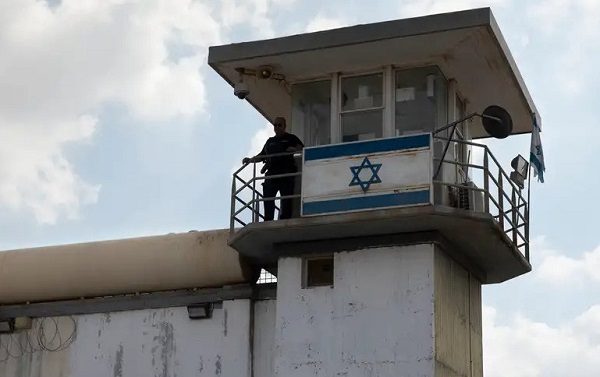
The comments were made during the weekly cabinet meeting on November 2, 2025, in reference to a video broadcast by Israel’s Channel 12 in August 2024. The footage, reportedly recorded by a security camera at Sde Teiman detention facility in southern Israel, appeared to show severe mistreatment of a Palestinian prisoner believed to be a Hamas fighter captured during the Gaza war.
Resignation of Israel’s Top Military Legal Adviser
Major General Yifat Tomer-Yerushalmi, the army’s chief legal counsel and one of the highest-ranking women in the Israel Defense Forces (IDF), resigned on Friday, October 31, 2025, following revelations that she had facilitated the leak of the video. Israeli media reported that she took responsibility for the release, saying it was intended to counter what she described as “false propaganda directed against the military’s law enforcement authorities.”
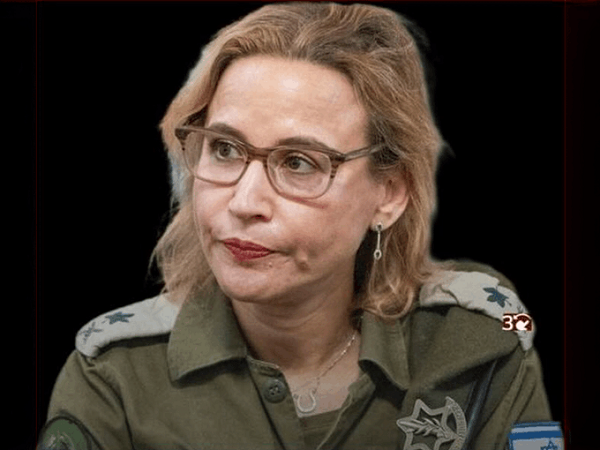
Her resignation followed the launch of a criminal investigation into the leak. Defense Minister Israel Katz confirmed Wednesday that the probe was underway and that Tomer-Yerushalmi had been placed on mandatory leave pending its outcome.
In her resignation letter, Tomer-Yerushalmi said she authorized the video’s release to defend the military’s legal division, which she claimed had come under sustained attacks during the Gaza conflict. While she described the Sde Teiman detainees as “among the most hardened terrorists,” she stressed that this “does not negate the duty to investigate alleged violations,” adding, “There are actions that no detainee, no matter how vile, should ever be subjected to.”
Fallout from a Case That Divided Israel
The scandal traces back to February 2025, when five IDF reservists were charged in connection with the alleged assault. The accused soldiers denied the charges, but a subsequent investigation found them guilty, igniting anger among segments of Israel’s right wing. The verdict prompted protests, including the storming of two military compounds by demonstrators demanding leniency for the convicted soldiers.
Just a week after those incidents, the controversial video was leaked to Channel 12, sparking widespread outrage at home and abroad. The footage appeared to show soldiers isolating a detainee, surrounding him while holding a dog, and raising their riot-control shields to obscure the scene.
A Blow to Israel’s Reputation
Netanyahu’s acknowledgment of the damage reflects the political sensitivity of the case, which has compounded Israel’s image crisis abroad amid ongoing criticism of its conduct in Gaza. “This is perhaps the biggest public relations attack Israel has faced since the establishment of the state,” Netanyahu reportedly told ministers, warning that the video had “shaken Israel’s moral standing and credibility.”
The prime minister vowed to “restore the integrity of Israel’s defense institutions,” while opposition lawmakers accused his government of fostering a culture of impunity that enabled such abuses.
Meanwhile, human rights organizations have renewed calls for independent monitoring of Israeli detention facilities, citing the Sde Teiman incident as evidence of systemic abuse.
Broader Context: The Sde Teiman Facility
The Sde Teiman detention center, long shrouded in secrecy, holds hundreds of Palestinian detainees, including suspected Hamas members captured during and after the militant group’s October 7, 2023 attack on southern Israel that triggered the Gaza war. The facility has faced repeated allegations of mistreatment from human rights groups and Israeli whistleblowers alike.
As the investigation into the video leak continues, analysts say the episode has not only exposed deep divisions within Israel’s military establishment but also raised troubling questions about transparency, accountability, and the balance between security and ethics in wartime.
