

Ahmed Kamel – Egypt Daily News
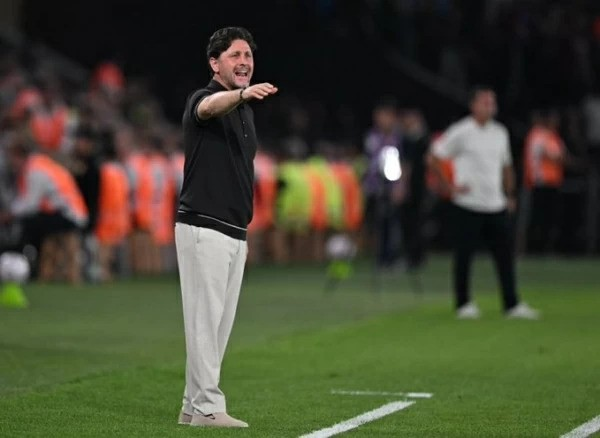
Fatih Tekke has resigned as head coach of Trabzonspor after the Turkish club suffered a heavy defeat to Ferencváros that ended its European campaign in emphatic fashion.
Trabzonspor lost 4–0 to the Hungarian side in the second leg at the Groupama Aréna, completing a 5–0 aggregate defeat. The result brought an abrupt end to the club’s continental ambitions and prompted Tekke to accept responsibility before announcing his departure.
Speaking to Turkish broadcaster A Spor shortly after the final whistle, Tekke delivered an emotional assessment of the loss. The manager described the outcome as deeply painful and made clear that he did not believe he could continue in his role after such a damaging result.
The second-leg defeat was particularly difficult because Trabzonspor had entered the match with the task of overturning a first-leg deficit. Instead of mounting a comeback, the Turkish side conceded four goals and was eliminated without being able to change the direction of the tie. Ferencváros controlled the contest and secured a decisive overall victory.
Tekke did not attempt to shift the blame onto his players. Throughout the interview, he repeatedly defended the squad and emphasized his personal understanding of a coach’s responsibilities. In his view, players should receive recognition when a team wins, while the coaching staff must accept responsibility when the side fails.
That philosophy shaped his response to the defeat. Although he referred to unfortunate circumstances and individual mistakes that contributed to the collapse, Tekke said those factors could not excuse a result of this scale. A 4–0 loss in a decisive European match, he indicated, was unacceptable for a club of Trabzonspor’s stature.
The manager’s decision came amid growing pressure surrounding the team. Trabzonspor had been operating in an increasingly difficult atmosphere, with intense media attention and outside criticism adding to the strain around the club. Tekke acknowledged the challenging environment but refused to use it as a justification for the defeat.
Instead, he chose to focus on accountability. His comments suggested that he viewed resignation as the appropriate response to the team’s failure rather than waiting for the club’s leadership to make a decision. By stepping down immediately after the match, he brought his tenure to an emotional conclusion.
Tekke also apologized to Trabzonspor supporters. The club’s fans had travelled with expectations that the team could remain alive in European competition, only to watch the tie slip further away in Hungary. The scale of the loss made the disappointment even more severe, and Tekke asked supporters to forgive him as he left the position.
The resignation marks another period of uncertainty for Trabzonspor, which must now begin the process of identifying a new coach. The club’s leadership will be expected to assess what went wrong during the European campaign and determine how the team can regain stability.
The defeat also raises questions about the squad’s confidence and tactical direction. Conceding four goals in a second leg can reflect a combination of defensive weaknesses, pressure, and the need to take risks in search of a comeback. However, Tekke’s comments indicated that he regarded the overall performance as a collective failure led by the coaching staff.
The campaign had included the involvement of Egyptian international Mohamed Salah, adding further attention to Trabzonspor’s European journey. Yet the final outcome was defined by the team’s inability to respond when the tie reached its most important stage.
Ferencváros, meanwhile, advanced with a commanding aggregate victory. The Hungarian club’s four-goal performance in the return match removed any remaining doubt about the outcome and turned the second leg into a decisive statement of superiority.
For Trabzonspor, the immediate priority will be to prevent the European defeat from damaging the rest of the season. With Tekke’s resignation now confirmed, players and club officials must manage the transition while attempting to restore concentration and confidence.
Tekke leaves after accepting full responsibility for a result he considered impossible to defend. His departure will be remembered less for any individual error than for the way he responded to the collapse: by protecting his players, rejecting excuses, apologizing to the supporters, and taking the consequences upon himself.
