

Ahmed Kamel – Egypt Daily News
In an age defined by speed, fleeting trends, and shrinking attention spans, few institutions can claim continuity, credibility, and national resonance across a century and a half. Al-Ahram can. As it marks 150 years since its first issue appeared in August 1876, the newspaper stands not merely as Egypt’s oldest daily, but as one of the Arab world’s most enduring journalistic institutions, an archive of national memory and a living witness to the making of modern Egypt.
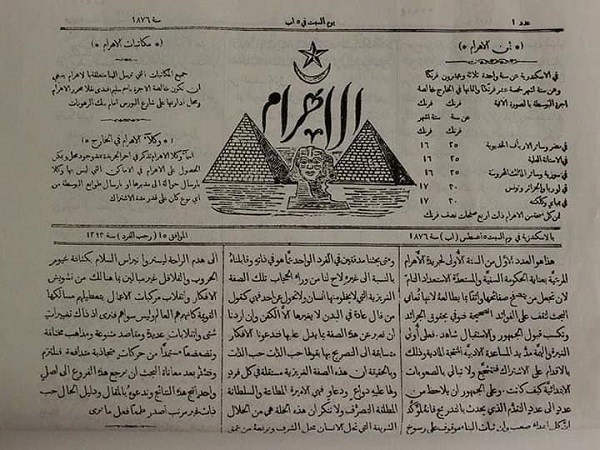
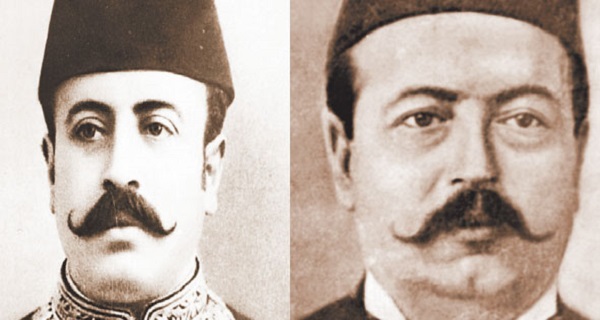
Founded in Alexandria by brothers Bishara and Selim Takla, Al-Ahram was born at a moment when Egypt itself was searching for a modern voice. From its earliest days, the paper rejected sensationalism and rhetorical excess, opting instead for rational analysis, disciplined language, and a respect for the reader’s intelligence. In doing so, it helped shape a new style of Arabic journalism—clear, accessible, and serious—one that would become the benchmark for the region.
More than a newspaper, Al-Ahram quickly evolved into a platform for ideas. Its pages carried debates on reform, education, and identity at a time when the Arab world was grappling with colonialism and the challenge of modernity. Without resorting to overt agitation, the paper practiced a form of intellectual resistance during the British occupation, exposing contradictions, comparing global experiences, and cultivating national consciousness through facts, context, and carefully framed questions.
As Egypt entered the twentieth century, Al-Ahram chronicled defining moments: the rise of nationalist movements, the 1919 Revolution, the long struggle against colonial rule, and the formation of the modern state. It was present not only as a recorder of events, but as an interpreter of them, shaping public understanding during times of upheaval and transformation.
The 1952 Revolution marked a turning point in the paper’s role and influence. Under the leadership of Mohamed Hassanein Heikal, who became editor-in-chief in 1957, Al-Ahram entered what many regard as its golden age. Closely connected to the centers of power yet intellectually ambitious, the newspaper became a central forum for political analysis, Arab nationalism, and cultural debate. Heikal’s weekly column was read across capitals, while the establishment of the Al-Ahram Center for Political and Strategic Studies in 1968 institutionalized research and policy analysis within journalism—an unprecedented step in the Arab press.
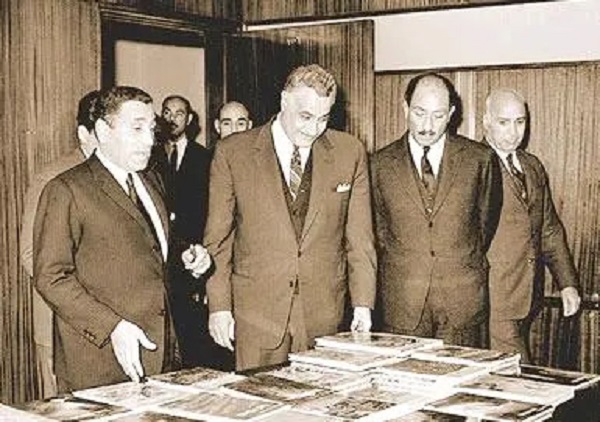
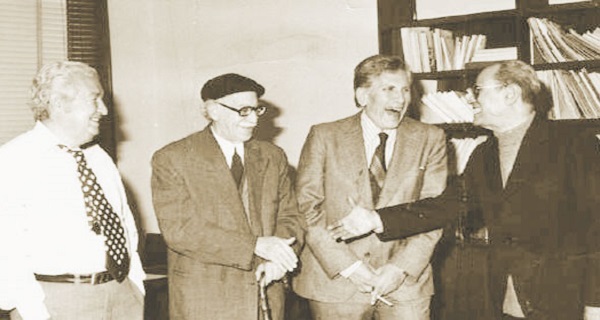
Crucially, Al-Ahram also served as a cultural pillar. Thinkers and writers such as Taha Hussein, Naguib Mahfouz, Youssef Idris, Abbas Mahmoud Al-Aqqad, Ahmed Bahaa El-Din, Anis Mansour, Farouk Goweyda, and Abdel-Wahab Mouttawa shaped generations of readers through its pages. Hussein famously described it as “the leading record of contemporary life,” a description that has endured.
The newspaper faced its most difficult tests during moments of national trauma, notably the 1967 defeat. While constrained by the political context of the era, Al-Ahram gradually opened space for reflection and reassessment, helping society process loss and search for renewal. It later played a key role in covering the 1973 October War, balancing patriotic mobilization with sober analysis.
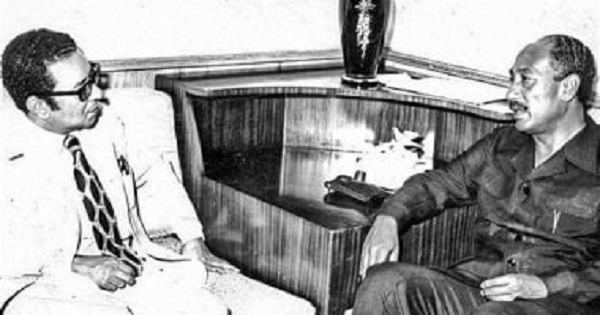
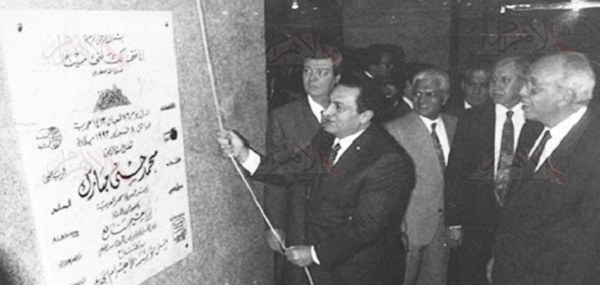
Through the Sadat and Mubarak years, Al-Ahram navigated shifting political landscapes, economic liberalization, and the gradual diversification of the media environment. It expanded institutionally, launched specialized publications in multiple languages, and invested early in digital publishing, becoming one of the first Arab newspapers to establish an online presence in the 1990s.
The challenges of the twenty-first century social media, misinformation, and the decline of print, have tested Al-Ahram’s traditional authority. Yet during periods of profound instability, including the events of 2011 and 2013, the newspaper positioned itself as a defender of state institutions and national cohesion, reflecting its long-standing view of journalism as a pillar of stability rather than disruption.
In recent years, Al-Ahram has sought to reconcile its legacy with the demands of a digital audience, expanding multimedia content while maintaining its reputation as a primary reference for official policy, in-depth analysis, and historical continuity. Its symbolic weight was underscored when President Abdel Fattah El-Sisi chose its pages to address the nation on the occasion of the paper’s 50,000th issue, reaffirming its status as a national institution.
At 150, Al-Ahram is not simply celebrating longevity. It is marking an unbroken conversation between a nation and its written conscience. Few newspapers anywhere in the world have so closely mirrored the political, social, and cultural evolution of their country. Fewer still have managed to remain relevant across empires, revolutions, wars, and the digital age.
Al-Ahram endures because it has consistently framed journalism not as noise, but as responsibility; not as fleeting reaction, but as record. In a world where memory is increasingly fragmented, it remains Egypt’s most comprehensive chronicle—its past written daily, its present interpreted, and its future continually debated.
One hundred and fifty years on, Al-Ahram is still what it has always been: the nation writing itself, every morning.
We at Egypt Daily News thank Al Ahram for the enduring and honourable journalism that has benefited and informed our nation for more than a century.
