

Ahmed Kamel – Egypt Daily News
Iran has indicated it may be open to mediation efforts aimed at ending the escalating conflict in the Middle East, as regional tensions remain high following large-scale military strikes that have further destabilized the region.
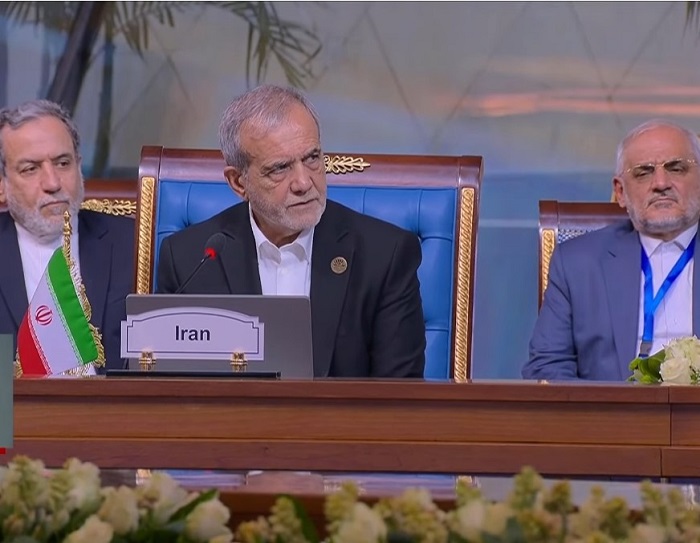
Iranian President Masoud Pezeshkian said that several countries have begun attempts to mediate in order to halt the military escalation, suggesting that diplomatic channels may be slowly reopening despite the ongoing hostilities.
In a message posted on the social media platform X, Pezeshkian said Tehran was prepared to engage with such initiatives while emphasizing that Iran would not compromise its national sovereignty.
“Some countries have begun mediation efforts,” the Iranian president wrote. “Our response is clear: we are committed to lasting peace in the region, but we will not hesitate for a moment to defend the dignity and sovereignty of our country.”
Pezeshkian also suggested that any meaningful diplomatic initiative should focus on the parties he accused of igniting the conflict, a reference to the United States and Israel.
“The real address for mediation should be those who started the fire with their disregard for the Iranian people,” he added.
The comments come days after a dramatic escalation in regional hostilities, when coordinated airstrikes attributed to the United States and Israel targeted sites across Iran. The strikes marked one of the most significant direct confrontations between the sides in recent years.
The attacks also reportedly resulted in the death of Iran’s Supreme Leader Ali Khamenei in a strike on Tehran, an event that has sent shockwaves throughout the region and prompted fears of a broader conflict involving multiple Middle Eastern powers.
Since the strikes, Iranian officials have adopted a dual message: warning of severe retaliation while leaving the door open for diplomatic efforts that could halt the spiral of violence.
Foreign Minister Abbas Araghchi recently said Iran was fully prepared to confront any potential military escalation, including the possibility of a U.S. ground intervention, which he warned would have catastrophic consequences for American forces.
At the same time, Tehran has stressed that it did not seek a ceasefire and remains skeptical of negotiations with Washington following the timing of the recent strikes, which took place while diplomatic discussions were underway in Geneva.
Despite the deepening tensions, analysts say mediation attempts by regional and international actors could play a crucial role in preventing the crisis from spiraling into a wider regional war that could disrupt global energy markets and threaten key shipping routes, including the strategic Strait of Hormuz.
With the Middle East already experiencing heightened instability and multiple active flashpoints, the success or failure of such diplomatic efforts may determine whether the region moves toward de-escalation or deeper confrontation in the coming weeks.
