

Ahmed Kamel – Egypt Daily News
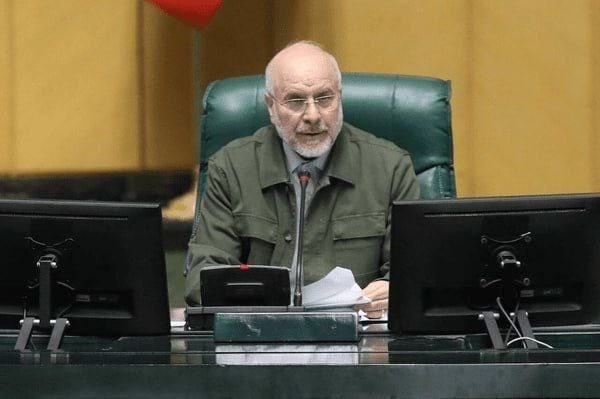
Iranian parliament speaker Mohammad Bagher Ghalibaf accused Washington of deliberately pursuing a strategy of internal fragmentation, arguing that economic pressure and political messaging are being used to weaken Iran from within rather than confront it externally.
According to him, the current phase of pressure is not just about foreign policy, it is aimed at dividing Iranian society and forcing political collapse through sustained economic strain.
Washington’s Strategy: Pressure Without Immediate War
In Washington, the approach is increasingly defined by endurance rather than escalation.
A White House official said Trump has been in discussions with energy industry executives about maintaining the blockade for an extended period potentially months, while attempting to limit disruption to global energy markets and domestic prices.
The strategy reflects a calculated balance: maximize pressure on Iran while avoiding immediate large-scale military engagement. Trump has reinforced this stance publicly, warning Tehran to “get smart soon” and align with U.S. demands, signaling that the blockade is not temporary leverage but a sustained tool of coercion.
Markets Already Feeling the Shock
The geopolitical escalation has already spilled into global markets.
Oil prices surged sharply as traders priced in the risk of prolonged disruption to shipping routes through the Strait of Hormuz—a critical artery for global energy flows. Brent crude climbed above $115 per barrel, underscoring how quickly geopolitical pressure is translating into economic shockwaves.
Iran Rejects Legitimacy of Blockade
Tehran has rejected the U.S. move outright, arguing that Washington’s actions threaten international navigation and regional stability.
Iranian officials maintain that they are not bound by certain maritime conventions and insist they retain sovereign authority to respond to security threats in the Gulf. Their messaging increasingly frames the blockade not as pressure, but as aggression under a different name.
At the same time, Tehran is warning that continued pressure will not remain unanswered, signaling that restraint is not unlimited.
A Fragile Post-War Equilibrium
The confrontation is unfolding against the backdrop of a fragile ceasefire that halted direct military exchanges earlier this year. Despite the pause in open conflict, core disputes remain unresolved—particularly Iran’s nuclear program and control over strategic maritime routes.
Diplomatic channels have so far failed to produce a durable settlement, and both sides appear to be preparing for a prolonged standoff rather than a quick agreement.
The Real Risk: Controlled Pressure Turning Into Uncontrolled Crisis
What makes the current phase particularly volatile is the narrowing gap between economic pressure and military escalation.
The United States is betting that sustained coercion will force political concessions in Tehran without triggering open war. Iran, meanwhile, is signaling that prolonged pressure may eventually force it into more direct forms of response.
Between those two assumptions lies the risk of miscalculation, where a strategy designed to avoid war instead becomes the pathway into it.
For now, both sides are holding their positions.
But the trajectory is clear: this is no longer a short-term dispute. It is a prolonged geopolitical pressure campaign with global consequences and no defined exit ramp.
