

Ahmed Kamel – Egypt Daily News
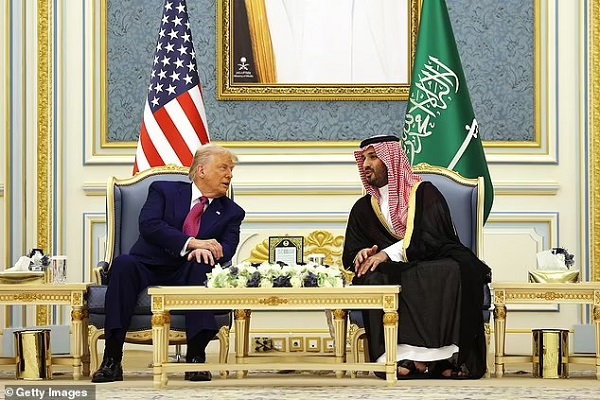
Saudi Arabia, the United Arab Emirates, Kuwait and Qatar are reportedly reviewing major contracts and investment commitments with the United States after growing frustration that Washington failed to adequately defend Gulf partners during the escalating war involving Iran.
According to reports from the Financial Times citing regional officials, the four Gulf states have begun internal discussions about scaling back or potentially withdrawing from certain US contracts and financial commitments as they assess the economic and security consequences of the ongoing conflict.
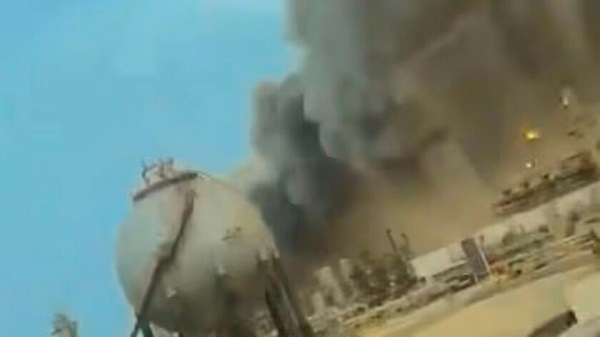
The reassessment comes amid regional criticism of Washington’s decision to redeploy key US air defense systems from parts of the Gulf to Israel during the war, a move that some Gulf officials and commentators view as leaving their countries more exposed to potential threats from Iran or its regional allies.
For decades, Gulf states have relied heavily on US military support and security guarantees as a cornerstone of their defense strategy. However, the redeployment of advanced air defense systems during the conflict has raised concerns in the region about whether those guarantees remain reliable during times of crisis.
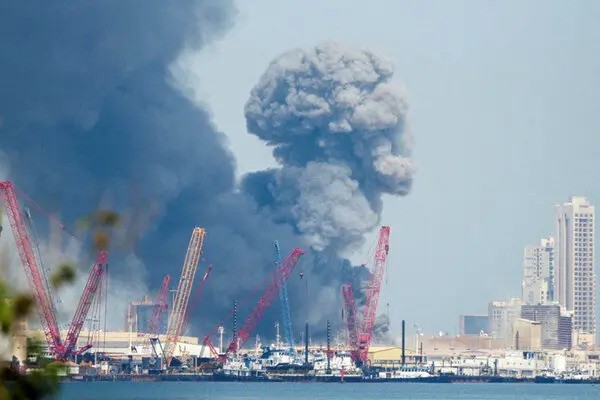
Officials familiar with the discussions said Gulf governments are now evaluating the broader implications of the war, including its financial impact and the reliability of strategic partnerships.
A Gulf official said that several countries had begun reviewing whether force majeure clauses could be invoked in existing contracts provisions that allow parties to suspend obligations during extraordinary circumstances, while also reassessing future investment commitments abroad.
“A number of Gulf countries have begun an internal review to determine whether the force majeure clauses can be invoked in current contracts, while also reviewing current and future investment commitments in order to alleviate some of the anticipated economic strain from the current war,” the official said.
The review, the official added, is largely precautionary but could expand if the war and associated costs continue at the current pace.
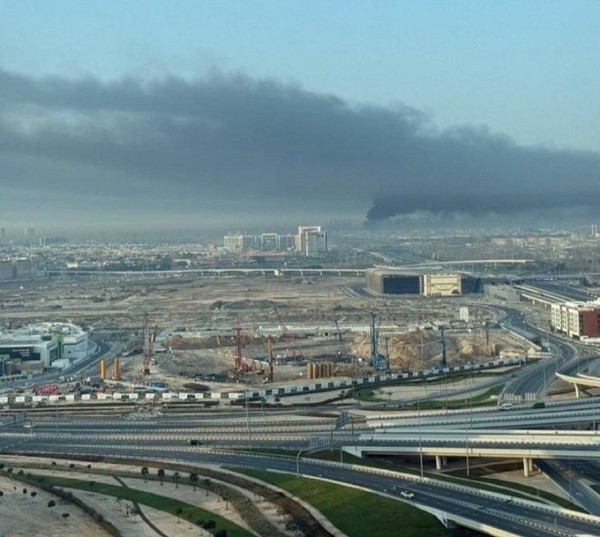
Three of the region’s largest economies have already held discussions about the economic pressures they are facing, though the official declined to publicly identify the specific countries involved. Saudi Arabia, the United Arab Emirates, Kuwait and Qatar collectively represent the majority of the Gulf’s sovereign wealth and overseas investment capacity.
The reassessment could potentially affect a wide range of financial arrangements, including investment pledges to foreign governments and corporations, sports sponsorship deals, commercial partnerships with international companies, and the sale of overseas assets.
Gulf governments are currently facing multiple economic challenges linked to the war. Energy revenues have been affected by disruptions to production and shipping routes, while tourism and aviation sectors, which are vital to several Gulf economies, have seen declines amid heightened geopolitical tensions.

At the same time, regional defense spending has risen sharply as governments increase military preparedness in response to the risk of the conflict expanding across the Middle East.
Together, these pressures are prompting Gulf leaders to reconsider the scale of their international spending while prioritizing economic stability at home.
Frustration within the Gulf business community has also begun to surface publicly. Prominent Emirati businessman Khalaf Al-Habtoor voiced strong criticism of the United States’ role in the crisis in a message directed at former US President Donald Trump on the social media platform X.
“A direct question: Who gave you the authority to drag our region into a war with Iran? And on what basis did you make this dangerous decision?” Al-Habtoor wrote. “Did you calculate the collateral damage before pulling the trigger?”

Al-Habtoor also noted that Gulf countries were expected to play a major role in financing international initiatives proposed by Washington, including plans to rebuild Gaza and support wider regional stabilization efforts.
Arab Gulf states, he said, have contributed billions of dollars over the years in support of development and stability in the region.
“These countries have contributed billions of dollars on the basis of supporting stability and development,” he wrote. “They have the right to ask today: where did this money go? Are we funding peace initiatives or funding a war that exposes us to danger?”
Analysts say the discussions do not necessarily signal an imminent rupture in US–Gulf economic ties, but they do reflect a growing debate in the region about the long-term balance of security, economic partnership and political risk.
For decades, Gulf sovereign wealth funds have invested hundreds of billions of dollars in the United States, making the region one of Washington’s most important sources of foreign capital. Any significant shift in that relationship could have implications for global investment flows.
For now, officials say the ongoing review is focused on managing risk during a period of extraordinary geopolitical volatility, but the outcome could reshape how Gulf states approach their financial and security partnerships in the years ahead.
