

Ahmed Kamel – Egypt Daily News
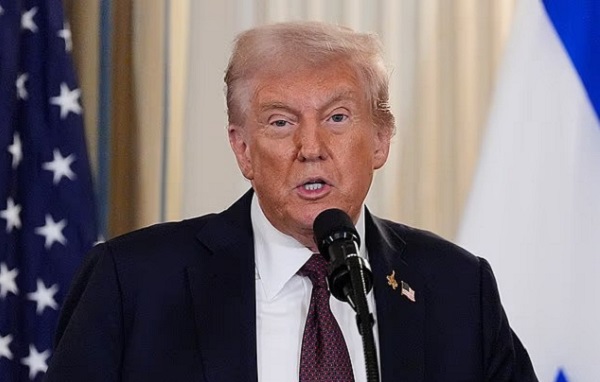
President Donald Trump has extended the fragile ceasefire with Iran, but the move comes with a new and highly conditional demand: Tehran must present a unified political proposal before any long-term diplomatic framework can move forward.
The decision, confirmed through multiple diplomatic and regional sources, effectively keeps the current pause in hostilities in place while intensifying pressure on Iran’s fractured political leadership to consolidate its negotiating position.
A Ceasefire That Holds, But Barely
The extension does not signal a shift toward a permanent peace agreement. Instead, it functions as a tactical continuation of the existing truce, designed to prevent immediate escalation while talks remain unresolved.
According to officials familiar with the discussions, the White House agreed to extend the ceasefire following behind-the-scenes diplomatic engagement involving regional intermediaries, including Pakistan, which has played a growing role in facilitating indirect communication channels.
However, U.S. officials have made it clear that the extension is not open-ended.
“Unified Proposal” Becomes Key Condition
The central condition attached to the extension is Washington’s demand that Iran present what is being described as a “unified proposal”, a consolidated negotiating position representing all major factions within Iran’s political and military leadership.
The requirement reflects U.S. concerns that internal divisions in Tehran are slowing diplomatic progress and preventing meaningful negotiations from advancing.
While the wording has not been formalized in a treaty framework, it has become the defining political threshold for continuing the ceasefire arrangement.
Rising Military Pressure Behind Diplomacy
Despite the diplomatic pause, military posture in the region remains elevated. U.S. forces are reported to be maintaining high alert status, with naval deployments continuing to monitor key maritime corridors, including the Strait of Hormuz.
Officials stress that the ceasefire does not equate to de-escalation of readiness, but rather a temporary containment of direct confrontation while political negotiations are tested.
Conflicting Signals from Washington
The extension comes amid mixed messaging from the White House, where officials have alternated between cautious optimism about diplomatic progress and warnings that the ceasefire could collapse if talks stall.
President Trump has publicly framed the situation as a limited opportunity for Iran to “get its position together,” while also signaling frustration with the pace of engagement.
Regional Stakes Remain High
The implications of the ceasefire extend far beyond the U.S. and Iran. Gulf states, global energy markets, and shipping routes remain on edge as any breakdown in talks could rapidly reignite tensions in one of the world’s most strategically sensitive regions.
Oil markets have already shown sensitivity to developments, with traders closely watching for signs of either escalation or a more durable diplomatic breakthrough.
A Pause, Not a Peace
For now, the ceasefire holds, but only just.
What emerges next will depend on whether Iran can meet Washington’s demand for a unified negotiating position, and whether both sides can transform a temporary pause in conflict into something more stable.
Until then, the region remains in a tense holding pattern, where diplomacy and deterrence continue to operate side by side.
