

Ahmed Kamel – Egypt Daily News
The risk of renewed military escalation between the United States and Iran is rising sharply, as President Donald Trump warned he expects to resume airstrikes if stalled negotiations fail ahead of a looming ceasefire deadline.
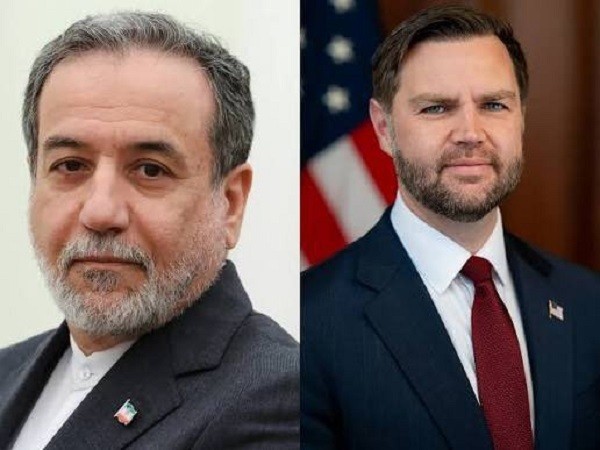
Uncertainty is also surrounding the role of Vice President JD Vance, who remains in Washington after plans to travel to Pakistan for potential talks were abruptly put on hold. The shift reflects growing doubts over whether Iran will participate in last-minute negotiations aimed at extending the fragile truce.
The ceasefire, agreed earlier this month following heightened tensions around the Strait of Hormuz, is set to expire within hours, with no clear diplomatic breakthrough in sight.
Talks in limbo as deadline approaches
Efforts to bring both sides to the negotiating table have stalled, with Pakistan attempting to mediate a meeting in Islamabad. However, Iranian officials have signaled reluctance to engage, publicly stating there are no immediate plans for a new round of talks.
The uncertainty has disrupted US planning, with senior officials now holding internal discussions on how to proceed if diplomacy collapses.
Trump has indicated he is unwilling to extend the ceasefire, arguing that time is running out for a deal. He has framed the current moment as a decisive window, suggesting that failure to reach an agreement could quickly lead to renewed military action.
Military pressure and rising tensions
The standoff has intensified following US actions targeting Iranian-linked shipping, including efforts to intercept and seize vessels heading toward Iranian ports. The measures are part of a broader strategy to pressure Tehran economically and strategically.
Iranian leadership, however, has responded with defiance. Senior figures have signaled readiness to escalate if necessary, rejecting negotiations conducted under military pressure and warning that new battlefield options remain available.
The confrontation has increasingly centered on control and access around the Strait of Hormuz, a critical global energy corridor through which a significant share of the world’s oil supply passes.
Oil markets on edge
The crisis has already begun to ripple through global energy markets, with oil prices and fuel costs showing increased volatility as traders react to the risk of disruption in the Gulf.
Any escalation could further strain supply chains and push prices higher, particularly if shipping routes are affected or energy infrastructure becomes a target.
A narrowing diplomatic window
The breakdown in talks reflects deeper divisions between Washington and Tehran, particularly over the US demand that Iran scale back its nuclear program before broader negotiations can proceed.
Analysts say recent US pressure tactics may have hardened positions within Iran, complicating efforts to restart dialogue and increasing the influence of more hardline factions.
Outlook
With the ceasefire deadline approaching and no confirmed переговоры on the horizon, the situation is entering a critical phase. Whether diplomacy can be revived in time or whether the conflict moves back toward open confrontation, may be decided in the coming hours.
