

Ahmed Kamel – Egypt Daily News
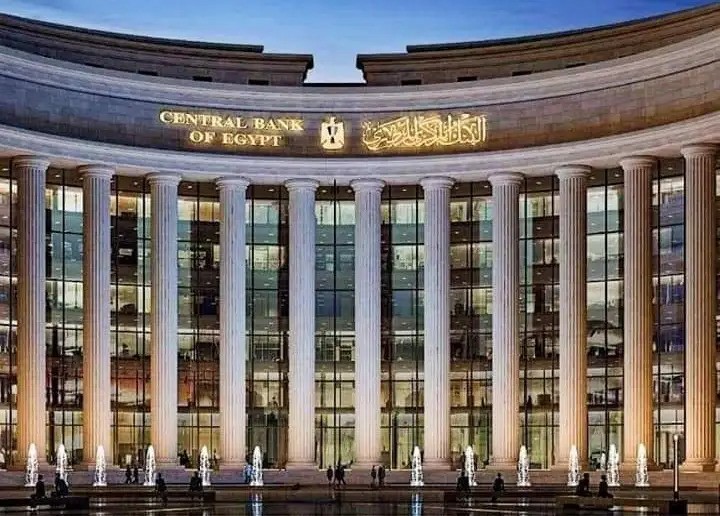
Egypt has paid more than $6.4 billion in external debt servicing within just three months, according to newly released central bank data, underscoring the country’s ongoing struggle to manage mounting financial obligations amid tightening global conditions.
The report shows that by the end of the first quarter of the 2025–2026 fiscal year, Egypt settled $6.442 billion in external debt payments, down from $7.952 billion during the same period a year earlier. The payments were split between $2.078 billion in interest and $4.363 billion in principal repayments.
Despite the heavy outflows, Egypt’s total external debt continued to rise, reaching $163.7 billion by the end of September 2025, compared to $161.23 billion in June. The increase reflects persistent borrowing pressures as the government navigates fiscal gaps and foreign currency needs.
There was, however, a marginal improvement in debt sustainability indicators. The ratio of external debt to gross domestic product declined to 42.4 percent, down from 44.2 percent three months earlier, suggesting that economic growth is slightly outpacing debt accumulation.
At the same time, foreign investor appetite for Egyptian treasury bills remains strong. Holdings surged to the equivalent of 2.525 trillion Egyptian pounds by the end of January 2026, up from 2.449 trillion pounds in December, highlighting continued reliance on short-term inflows to support liquidity.
But beneath that headline strength, shifts within the banking sector point to a more cautious domestic landscape. Investments by public sector banks in treasury bills fell to 371.999 billion pounds, down from 382.420 billion pounds in September. Private sector bank holdings remained broadly stable at around 1.056 trillion pounds.
Foreign bank branches reduced their exposure more sharply, with investments dropping to 57.546 billion pounds from 66.552 billion pounds a month earlier. Specialized banks also cut their positions, declining to 128.897 billion pounds.
The data paints a mixed picture: steady inflows from foreign investors are helping to cushion the system, but rising external debt and shifting domestic bank behavior suggest underlying pressures remain unresolved.
With billions still due in upcoming quarters, Egypt’s ability to sustain inflows while controlling debt growth will be critical in determining whether the current balance holds or begins to strain.
