

Ahmed Kamel – Egypt Daily News
Shipping lanes under threat and oil infrastructure burning as fragile calm between Washington and Tehran collapses
A Fragile Calm Shatters
The fragile calm in the Gulf didn’t break quietly it snapped, and it snapped fast. Within hours, the confrontation between Donald Trump and Iran spilled from tense rhetoric into direct action, stretching from the narrow waters of the Strait of Hormuz to the coast of the United Arab Emirates, where flames rose from a key oil facility after a wave of drones and missiles pierced the night.
Shipping in the Crosshairs
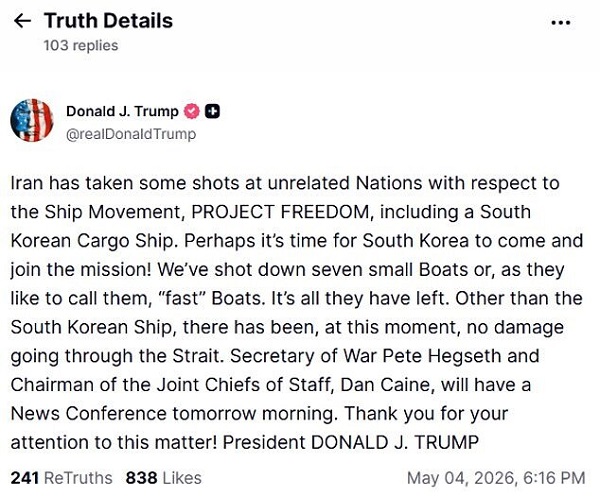
Trump confirmed what many feared was already underway: Iranian forces had begun targeting ships moving through the world’s most critical energy corridor, and not military vessels, but commercial traffic with no direct role in the conflict. In the confined waters of the Strait, where a significant share of global oil passes every day, even a limited disruption carries global consequences, and with Iranian fast boats approaching and US forces already engaging them, the threat is no longer distant, it is unfolding in real time.
Missiles Over the UAE
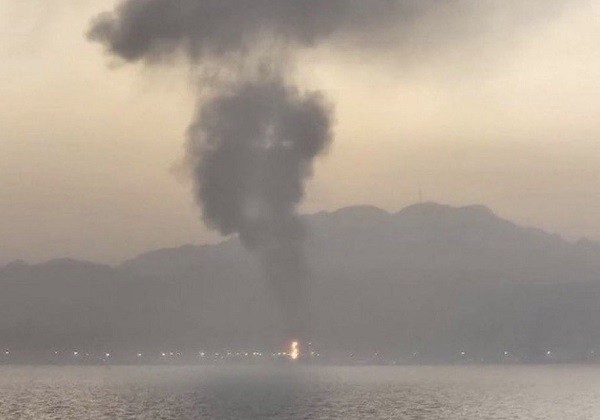
At nearly the same moment, the confrontation leapt onto land, as air defenses over the UAE lit up and multiple missiles crossed into its airspace. Several were intercepted, another fell into the sea, but not everything was stopped, and a drone managed to strike a petroleum site in Fujairah, igniting a fire in one of the region’s most strategically important energy zones as emergency crews rushed to contain the damage.
Why Fujairah Matters
Fujairah is not just another facility on the map, it is a critical lifeline designed to bypass the Strait of Hormuz and keep oil flowing even if the chokepoint is compromised, and striking it sends a calculated message that the conflict is no longer limited to military positioning, but is now reaching directly into the infrastructure that underpins global energy stability.
A Ceasefire in Name Only
The so-called ceasefire between Washington and Tehran now looks increasingly hollow, overtaken by events that neither side appears willing to slow, as diplomatic channels stall and each move seems carefully measured not to end the crisis, but to push it further without triggering full-scale war, a balance that is becoming harder to maintain by the hour.
A Region Edging Toward Confrontation
Trump’s earlier pledge to deploy US naval escorts for commercial shipping now carries far greater weight, because every escort mission and every encounter at sea increases the risk of direct confrontation, and in a region already this tense, escalation does not build slowly it accelerates.
The Global Stakes
Beyond the immediate violence lies a far larger danger, because the Strait of Hormuz is not just a regional passage but a pressure point for the global economy, and any disruption, even brief, can send oil prices surging and ripple across markets worldwide, meaning what is unfolding now is not just another flare-up, but a test of how close the region is to a crisis that could spread far beyond it.
