

Ahmed Kamel – Egypt Daily News
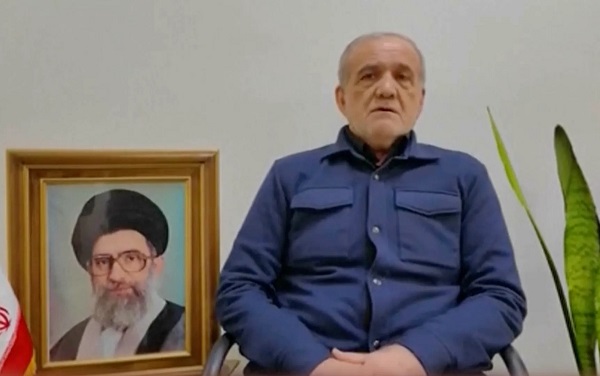
Iranian President Masoud Pezeshkian announced that half of his country’s frozen financial assets currently held in Qatari banks will soon be returned to Tehran. The semi-official Tasnim News Agency reported that the head of state revealed the major monetary development during high-profile meetings with senior religious figures in the holy city of Qom.
According to the official executive plans, six billion dollars out of a total twelve billion dollars in restricted Iranian resources will be transferred back to the country immediately. Specialized diplomatic and financial teams are actively pursuing the necessary legal follow-ups to secure the release of the remaining restricted capital.
White House Outlines Asset Commitments under Broad Bilateral Ceasefire Deal
International news networks have reached out directly to the White House administration for an official public comment regarding the sudden asset release declaration. The underlying transfer stems from a comprehensive fourteen-point memorandum of understanding finalized between Washington and Tehran earlier this month.
Under the specific terms of that historic treaty, the United States government formally pledged to grant Iran full access to its previously restricted international holdings. The financial unfreezing process is scheduled to initiate as soon as the core operational elements of the regional peace agreement are successfully implemented.
Restricted Bank Holdings Remain Core Pillars for Middle East Peace Process
Tehran has maintained a rigid negotiating stance throughout the prolonged diplomatic process, insisting that the restoration of foreign bank accounts remains a non-negotiable requirement. Iranian economic advisors view the repatriation of these multi-billion-dollar reserves as a critical step to stabilizing their domestic currency and funding national reconstruction.
The successful recovery of these state funds marks a massive geopolitical victory for the current administration after years of crippling international banking restrictions. The impending financial transfer is expected to dramatically alter the dynamic of upcoming technical discussions as regional partners meet to finalize the permanent treaty.
