

Ahmed Kamel – Egypt Daily News
Egypt’s national trade deficit expanded by twenty percent to reach four-billion and eight-hundred million dollars during the month of April. Official balance sheets published by the Central Agency for Public Mobilization and Statistics confirmed the structural deficit increased significantly compared to the four-billion-dollar gap recorded during the same period last year.
The negative trade balance widening coincided with a twenty-four percent drop in broader fiscal metrics reported separately by the Central Bank of Egypt for the current financial period. National financial experts attribute the widening gap to severe international supply chain disruptions and elevated global inflation rates triggered by recent regional hostilities.
Surging Hydrocarbon and Agricultural Import Demands Drive Up National Expenditures
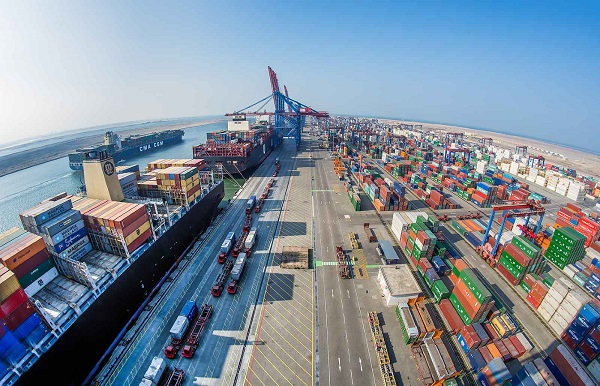
Total inbound commercial shipments arriving at Egyptian entry ports climbed aggressively to reach nine-billion and eight-hundred million dollars during the April cycle. This substantial increase in state import spending was driven primarily by an intensifying domestic demand for critical fuel products and international agricultural commodities.
Sovereign purchasing boards registered a massive surge in inbound liquefied natural gas and crude oil volumes to sustain national industrial grids during the energy crisis. Concurrently, state grain agencies increased foreign wheat acquisition expenditures by over fifty-seven percent alongside substantial baseline imports of industrial copper, primary plastics, and raw steel materials.
Strong Fruit and Garment Exports Fail to Offset Massive Inbound Corporate Shipping Costs
National outbound trade revenues demonstrated a positive trajectory by expanding more than twenty-one percent to settle at five-billion and one-hundred million dollars. This localized export growth was propelled by highly successful seasonal shipping campaigns for fresh domestic fruits, ready-made textile garments, and specialized petroleum products.
The primary international trade destinations receiving Egyptian manufactured goods included Italy, the United Arab Emirates, Saudi Arabia, Turkey, and the United States. However, the positive revenue gains generated by non-oil corporate exporters were completely overshadowed by the massive inbound shipping costs paid to major supply partners like China and Russia.
Sovereign Manufacturing Initiatives Target One Hundred Billion Dollar Export Threshold
The state administration continues to aggressively pursue its comprehensive long-term industrialization strategy despite facing tightening global credit environments and heightened import hurdles. Government development ministries have established an absolute target to scale total annual national export revenues to one-hundred billion dollars by 2030.
To protect foreign currency reserves, state banks successfully managed a twenty-two percent reduction in the importation of luxury passenger cars and organic chemical compounds. Financial regulatory bodies are monitoring current transaction trends closely to shield domestic markets from external price volatility as industrial development programs expand.
